Caffeine & Sleep
5 Caffeine Myths That Ruin Good Sleep
By Nora Vale · July 8, 2025 · 8 min read
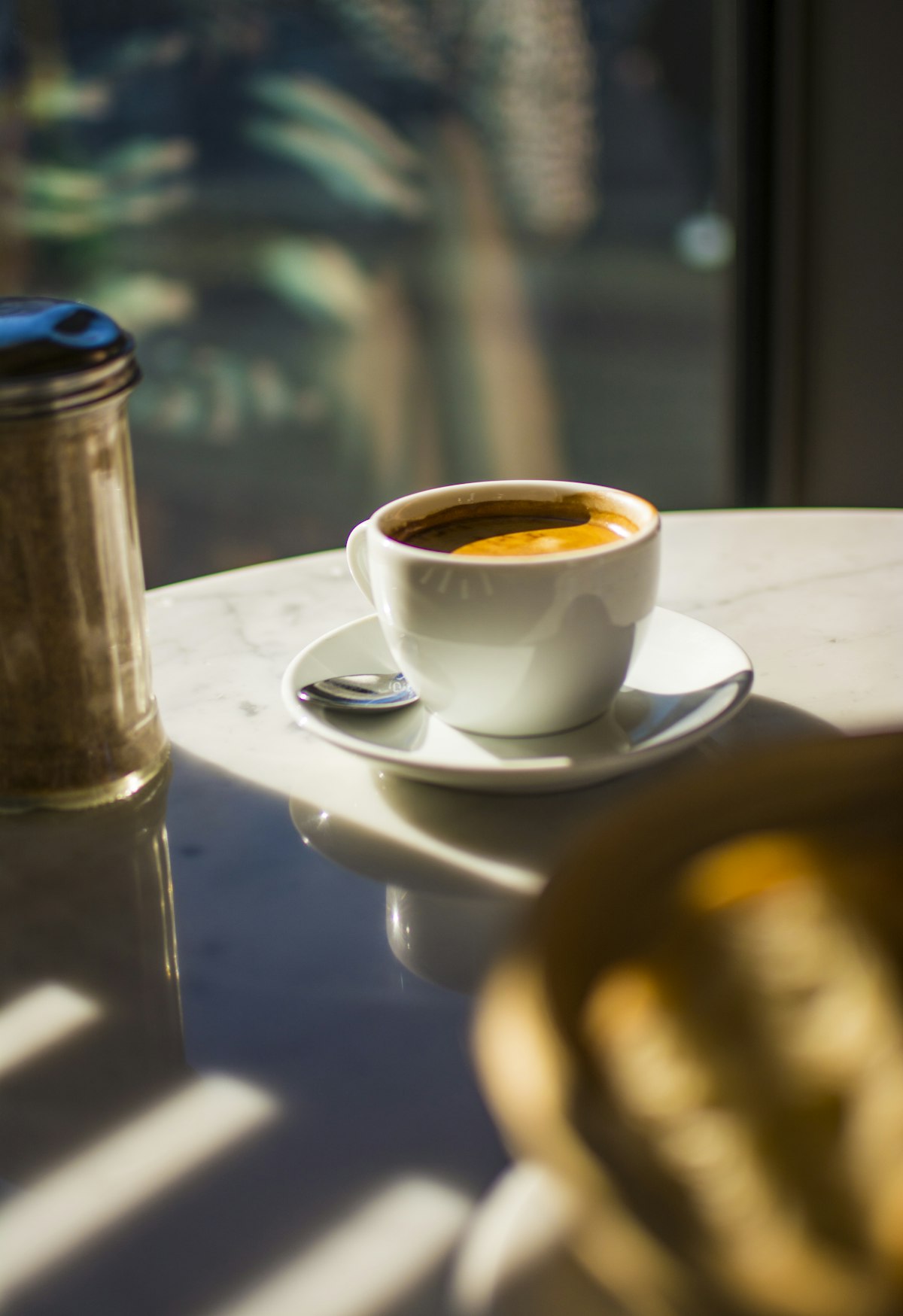
I believed every one of these for years, which is the only credential I’m offering. My favorite was the 4 p.m. latte with a clear conscience, because I fell asleep the second my head hit the pillow and took that as exoneration. It took a two-week log to show me the shape of the problem: out of bed at 2:30, eyes on the ceiling, body humming like a fridge. The caffeine myths below cost me real nights before I retired them, and the full mechanics live in my guide to caffeine and sleep.
Key takeaways
- Falling asleep fast doesn’t prove caffeine left your system. The damage shows up as fragmented sleep hours later.
- Caffeine’s half-life is five to six hours in typical adults, so a late-afternoon coffee is still working at 2 a.m.
- Decaf, tea, cola, dark chocolate, and some pain relievers all count toward your evening milligram total.
- Exercise makes you tired; it doesn’t clear caffeine faster.
- The fix is a cutoff time, tested against your own log, not a willpower project.
Myth 1: “Coffee doesn’t affect me, I sleep fine”
This was mine, so I’ll go first. The problem with using fast sleep onset as evidence is that it measures the wrong thing. “Falling asleep fast isn’t the test. Staying down in deep, unbroken sleep is the test.” Caffeine blocks adenosine, the compound that stacks up in your brain while you’re awake, and it doesn’t delete the drowsiness, it just hides it, so the bill comes due mid-night instead of at bedtime.
My log made this obvious in nine days. Latte nights: asleep in a minute, awake at 2:40 with a pounding heart and a brain doing spreadsheets. Early-cutoff nights: boring, dreamless, uneventful. Same person, same bedtime, different second half. If you only ever evaluate your caffeine by how quickly you conk out, you’ll defend it forever, and the post on whether afternoon coffee affects sleep walks through the experiment that settled it for me.
Myth 2: A 4 p.m. coffee is basically gone by bedtime
The half-life math is unglamorous and brutal. Caffeine’s half-life in typical adults runs five to six hours, which means a 4 p.m. coffee still has about half its dose on board at 9 or 10, and a quarter of it at 2 a.m. That quarter is exactly the size of the 2 a.m. surfacing you keep blaming on your mattress. The Sleep Foundation notes the range can stretch from two to twelve hours depending on the person, which is why borrowing your friend’s cutoff never works.
There’s a version of this myth where people insist they metabolize fast. Some do. But most of us never tested the claim, we just repeated it, and the cheapest test is two weeks with your last coffee at least eight hours before bed. If your nights don’t change, your cutoff genuinely is earlier than the rule of thumb, and that’s a legitimate result.
Myth 3: “Decaf, tea, and chocolate barely count”
The audit that embarrassed me most. One ordinary evening, I counted my “caffeine-free” night: a tea at 4 because coffee felt too heavy, three squares of dark chocolate around 9 because it seemed almost virtuous, a decaf after dinner because it was “practically nothing.” Tea runs 40 to 120 milligrams, dark chocolate 25 to 70, decaf 2 to 15, and some over-the-counter pain relievers carry 65. My innocent evening carried 50 to 100 milligrams after any cutoff I’d have named.
The rule that fixed it: “The cutoff doesn’t count sources. It counts milligrams.” If you’ve done everything right and your nights are still thin, run a milligram audit for one ordinary day, writing down everything with caffeine after lunch. The post on hidden sources of caffeine covers the usual suspects in detail.
Myth 4: “I can burn off coffee with a workout”
I understand the appeal, because a hard gym session genuinely leaves you tired. But tiredness from exercise and adenosine blocked by caffeine are different dials. Your liver clears caffeine at a steady pace, around one cup’s worth per several hours, and it’s completely indifferent to your training plan. No run, no sauna, no cold plunge accelerates it meaningfully.
What exercise can do is add real sleep pressure on top of the blocked adenosine, which sometimes masks the problem for a night or two. Masking isn’t clearing. If you’re using the 6 p.m. gym session as permission for the 5 p.m. cold brew, try moving either one and watch the log, because one of them is carrying more blame than you think.
Myth 5: “I’ll just quit coffee”
This one fails in an interesting way. Cold-turkey quitters meet withdrawal in days two through four, headaches and a mood the color of wet cardboard, and they quit the quitting, which reads as proof the habit is unbreakable. The boring fix is a taper: cut the afternoon cup in half for two days, then again, then swap the ritual for decaf so the ten-minute pause survives.
And the honest limit: for some people, an early cutoff changes nothing, because their thief was reflux, anxiety, or a snoring partner all along. A two-week experiment that clears coffee is still a good experiment, and so is one that acquits it. If your nights stay broken after a fair test with everything else left alone, that’s data for a doctor, not a personal failure.
This guide is educational, not medical advice. If sleep problems persist most nights for three months or more, a doctor is the right door.
Frequently asked questions
Does caffeine affect sleep if I fall asleep easily?
Yes. Sleep onset and sleep continuity are different systems, and caffeine can speed the first while wrecking the second. Judge your late coffee by whether you surface at 2 or 3 a.m., not by whether you conk out at 11.
Is decaf completely caffeine-free?
No, decaf carries roughly 2 to 15 milligrams per cup. That’s small compared to brewed coffee, but an after-dinner decaf on top of afternoon tea still adds to the evening total, and totals are what your cutoff actually tracks.
Does exercise cancel out late caffeine?
No. Exercise adds sleep pressure, but it doesn’t speed up how your liver clears caffeine. The workout and the coffee are separate ledgers, and the coffee one closes on the liver’s schedule, not the gym’s.
How long before bed should I stop drinking coffee?
Start with eight hours before bed, or ten if your sleep is already fragile, and run it for two weeks without changing anything else. Caffeine’s half-life of five to six hours is why the window is that wide, and your own log is the only referee.
What counts toward my daily caffeine total?
Tea, cola, energy drinks, dark chocolate, decaf, and some pain relievers, plus coffee. Milligrams, not cups, is the unit that matters, which is why the innocent-looking evening is often the most expensive one.
The latte moved to lunch, and the 2:40 surfacing stopped within a week. I still drink coffee every day, which is the part nobody believes. The myths didn’t survive the log, and the coffee did.