Alcohol & Sleep
5 Signs Alcohol Is Quietly Ruining Your Sleep
By Nora Vale · January 21, 2026 · 8 min read
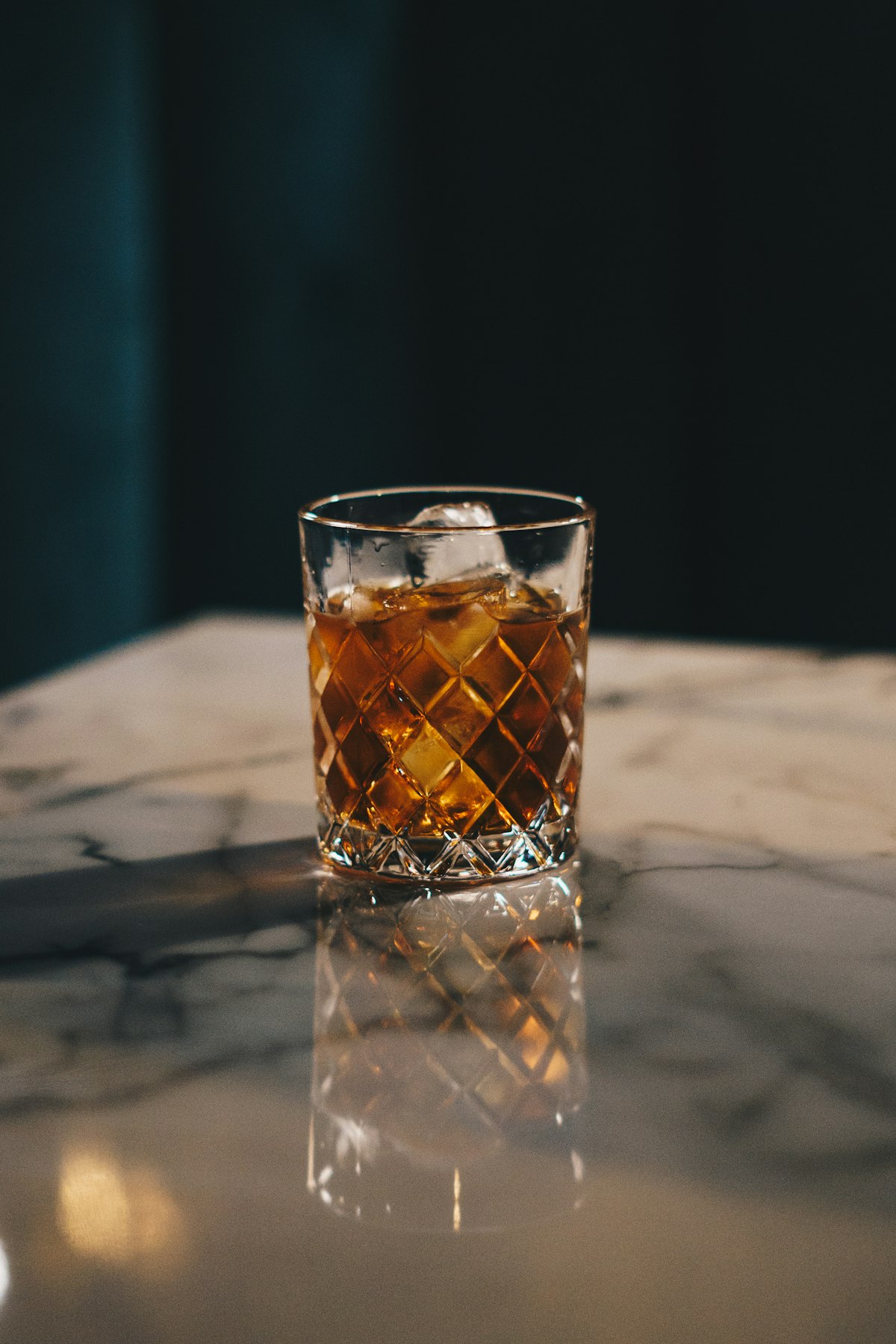
For a decade I was a two-glasses-of-wine-to-switch-off person, and I wasn’t drinking at night to party, I was drinking to put the day down. It worked the way a loan works: asleep at ten, wide awake at 2:40, heart going, mind rehearsing an argument from 2009. And here’s the part I find genuinely humbling: the wine never once made my list of suspects.
The reason alcohol gets away with this for years is that its damage is quiet, deniable, and always has a better alibi ready. The signs alcohol sleep problems leave look like hormones, stress, age, a bad mattress, anything but the drink that caused them. This post names the five most common ones, and the full chapter behind them lives in the guide to alcohol and sleep.
Key takeaways
- Alcohol is a sedative, not a sleep aid: sedation and sleep are different things that feel identical from the inside.
- The 3 a.m. wake-up on drinking nights is a timetable, not bad luck; the handoff lands between 2 and 3 for most evening pours.
- Fast sleep onset is a warning sign, not a win, because you were sedated rather than asleep.
- Fragmentation shows up even at one or two glasses, the dose most drinkers consider innocent.
- The two-week experiment, log beside the bed, is the cheapest way to fire the suspect or clear it.
Sign 1: you wake between 2 and 3 a.m. on drinking nights
This is the signature, and it has a schedule. Alcohol genuinely knocks you out, one of the few everyday substances that reliably shortens time-to-sleep, and the first half of the night looks improved. Then the liver clocks in. “It clears alcohol at roughly one drink per hour, steady as a metronome and completely indifferent to your plans, which means the sedative that switched you off at 10:15 is substantially gone by two.”
What’s left is the rebound. Sleep turns shallow and choppy, awakenings multiply, heart rate runs higher than it should, and the suppressed REM pushes back in as vivid, often unpleasant dreams. For a standard evening pour, the handoff lands between 2 and 3 in the morning, which is why the after-drinking wake time is so eerily consistent from person to person. “It isn’t bad luck. It’s a timetable.”
The reason the drink never gets blamed is that the wake-up arrives hours after the cause, wearing the costume of stress or hormones. Chapter 4’s rules still apply on these nights, no clock, no phone, but the cleaner fix lives upstream, and the post on why alcohol wakes you at 3 a.m. follows the whole chain.
Sign 2: you fall asleep suspiciously fast
Falling asleep in ninety seconds feels like a talent, and it’s actually the tell. “You were sedated.” Sedation arrives with a feeling of deep relief that the body files under sleep, and nobody checks the paperwork until the middle of the night. Sedation and sleep feel identical from the inside, they look identical from the doorway, and they are different things. Sleep is a night shift with phases; sedation is the switch being flipped on that shift, and the work gets moved to the small hours.
Nobody expects you to take this on faith, which is why the wedding-couch test exists. Pass out on the couch after a party, sleep seven technical hours, and wake up feeling stored rather than rested. That’s the signature of a full night of sedation, and the nightcap runs the same experiment every night at a smaller dose.
Sign 3: the snoring got louder, or a partner says it did
Alcohol relaxes every muscle it can reach, including the tongue and throat muscles whose entire job is holding your airway open, and it congests the nasal passages for good measure. That’s why snoring gets louder after drinking and why people who never snore will snore after a couple of glasses. The post on why alcohol makes snoring worse has the mechanics.
One serious note, said once and without drama: if the snoring includes pauses and gasps, that’s worth a doctor’s attention whether or not alcohol is involved, because apnea is its own condition, and heavy drinking makes it worse. Bed partners have been keeping the most accurate sleep data in the house for centuries and calling it complaining.
Sign 4: the mornings never quite start
Wine in the evening shows up the next day as a flatness that files itself under everything else. The coffee doesn’t land, the alarm feels like an ambush, and the first hour runs on fumes that no breakfast explains. Part of this is fragmented sleep doing its ordinary damage, and part is the rebound itself, since a night spent in shallow sleep with a raised heart rate doesn’t deliver the morning the hours in bed promised.
This is the sign that’s easiest to misfile, because morning tiredness has a hundred candidate explanations. That’s exactly the point. Moderate amounts don’t buy an exemption either, and this is the finding people argue with hardest, because one or two glasses feels culturally innocent. Sleep researchers who measure whole nights keep finding fragmentation even at moderate doses. Smaller dose, smaller damage, same mechanism. The two-glasses drinker and the six-glasses drinker aren’t having the same night, but the most common dose in this book’s audience does quiet, deniable damage, and quiet, deniable damage is exactly the kind you blame on your age.
Sign 5: the drink moved from weekends to most nights
The last sign is about position, not quantity. A glass that used to mark Friday now marks Tuesday, then most days, then becomes the border that tells your brain the day is over. The book’s honest framing: the evening glasses were never really about alcohol, they were a border, a ceremony that told the brain the day had been put away. The wine was doing two jobs at once, chemistry and ceremony, and only one of them was the problem.
That’s also why the fix that holds is keeping the ceremony and firing the chemistry: same chair, same hour, a cup of something that doesn’t sedate. If the move from weekends to nightly tracks with stress rather than pleasure, that’s worth naming honestly, and a doctor is the right door for a drink that’s doing survival work. The post on quitting alcohol and what changes in sleep covers what the first weeks actually look like.
The two-week experiment
Run the test before you believe any of this about your own nights. Two weeks without evening alcohol, everything else unchanged, log beside the bed with a column for the drink and a column for the wake-ups. Expect the second half of the night to improve first, and expect falling asleep to take a little longer at first, because the off switch was sedation in a costume. That’s the experiment working, not failing. And an experiment that clears a suspect is still a good experiment, because you get to drink your glass at dinner afterward knowing exactly what it does and doesn’t cost.
Frequently asked questions
What are the signs alcohol is ruining my sleep?
The five this post covers: waking between 2 and 3 a.m. on drinking nights, falling asleep suspiciously fast, snoring that got louder, mornings that never quite start, and a tolerance that moved from weekends to most nights. Each one has a mundane explanation ready, which is exactly how the pattern hides.
Why does alcohol wake me at 3 a.m.?
The liver clears alcohol at roughly one drink per hour, so the sedative that switched you off at 10:15 is substantially gone by two. The body reacts to the sedative leaving much the way it would react to a stimulant arriving, with arousal, warmer skin, a faster pulse, and a brain that surfaces and decides to stay up.
Does one or two glasses still count?
Yes. Sleep researchers who measure whole nights, rather than only time-to-sleep, keep finding fragmentation even at moderate doses. Smaller dose, smaller damage, same mechanism, and the night keeps score at every rung of the ladder.
How do I test whether alcohol is my sleep thief?
Two weeks without evening alcohol, everything else unchanged, log beside the bed. The second half of the night improves first, while falling asleep may take longer because the off switch was sedation in a costume. An experiment that clears a suspect is still a good experiment.
Do I have to quit drinking to sleep well?
No, and shame has never helped anyone drink less. Fewer, earlier, with food is a legitimate stair-step, and a glass moved to dinner is a different night than the same glass at 10 p.m. If the drink is a coping mechanism, that’s a conversation for a doctor, not a sleep rule.
The drink gets a fair trial, the log gets the evidence, and the 3 a.m. slot gets its explanation. That’s the whole audit, and it costs two weeks. The full chapter, loan terms and all, is in the book. Get the Quiet Core Reset book.
This guide is educational, not medical advice. If sleep problems persist for months or arrive with symptoms you can’t explain, a doctor is the right door.