Hormones & Sleep
Aging and Deep Sleep: What's Normal, What Isn't
By Nora Vale · August 9, 2025 · 7 min read

A friend of mine, 66, falls asleep in front of the nine o’clock news, wakes at four for no reason she can name, and has agreed with everyone around her, including herself, to call it age and stop asking questions. The agreement costs her nothing to sign and a lot to keep. Because when we actually went through her evenings, the television was in the bedroom, her wake time had drifted toward nine, the wine came with dinner most nights, and nobody had reviewed her sleep habits since the Clinton administration. Aging and deep sleep have a real relationship, and it deserves a better explanation than the one she got. The full picture of what changes, decade by decade, lives in the hormones and sleep guide.
Key takeaways
- Deep sleep declines measurably with age; older adults may get half or less of the slow-wave sleep of their twenties.
- The need for sleep barely declines. The National Sleep Foundation still calls for seven to eight hours over 65.
- Some of what gets filed under age is testable: bedtime drift, room temperature, alcohol, a TV in the bedroom.
- Good sleep stays possible at every age. It grows more fragile, which means the fundamentals matter more, not less.
What the body actually does
Deep sleep is the slow, heavy kind that carries much of the body’s overnight repair work, and it does decline with age. Sleep researchers have measured older adults getting half or less of the slow-wave sleep they got in their twenties, alongside a dimming of nighttime melatonin secretion. That’s the honest biology, and I won’t dress it up. If you’re 65 and your sleep runs lighter than it did at 25, the equipment genuinely changed.
Here’s the part that matters, though. What barely declines at all is the need. The same seven to eight hours still applies, which produces a gap: a body that wants the same sleep from thinner raw material. The honest summary of the research is that good sleep remains possible at every age but grows more fragile, like balance or handwriting. Fragile isn’t broken. Fragile means a 9 p.m. espresso or a bedroom bright enough to read by now costs more than it used to, so the margin for error shrinks even while the target stays put.
“I’m just old” is doing a lot of quiet damage
The sentence I would most like to retire is “I’m just old,” because I’ve watched it convert fixable problems into a personality. It gets said by capable people who drifted into a television in the bedroom, a wake time that slides toward noon, wine with dinner most nights, and three decades of habits nobody ever reviewed. Then the sentence explains everything, so nothing gets tried. The conclusion arrives before the investigation.
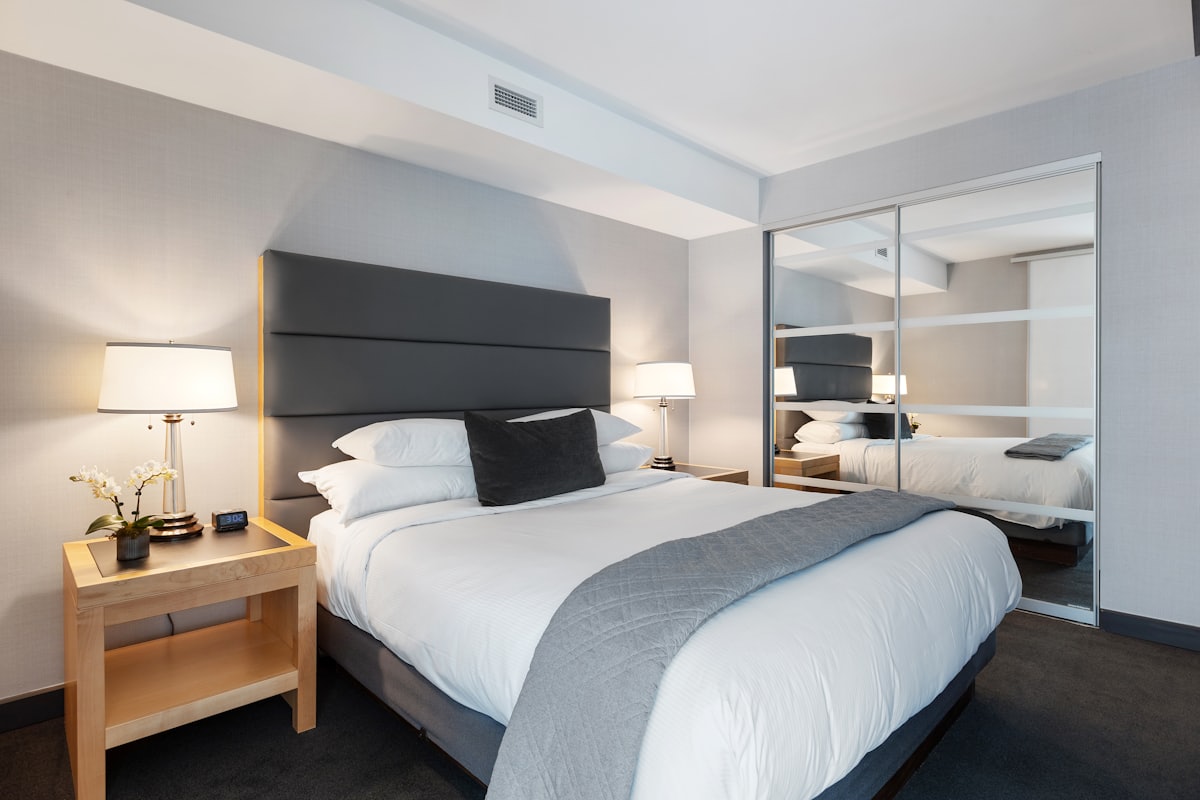
Age explains lighter sleep. It doesn’t explain the television. Some of what gets filed under age is lighter sleep doing what lighter sleep does, and some of it is a bedtime that drifted, a room that got warmer, a nap that got longer. All of it is testable and most of it is adjustable. My friend didn’t sign any grand agreement in the end. She moved the TV out, pushed her bedtime back to something defensible, and started waking at four less often than she wakes at five, which is the kind of boring victory nobody markets.
The run-the-experiment version looks like this: keep the same wake time for two weeks, cut the evening wine, get outside within an hour of waking. If the 4 a.m. surfacings shrink, some of “old” was actually habit wearing age’s clothes. If they don’t, you’ve learned the same thing with evidence instead of resignation, and you saved yourself a decade of guessing.
What lighter sleep means for your nights
Lighter sleep has a specific mechanical consequence, and it explains most of the complaints I hear. Between sleep cycles, everyone surfaces briefly, a few times a night, and most people forget every surfacing by morning. In a young brain, those surfacings are shallow and brief. In an older brain, the sleep around them is thinner, so the surfacings last longer and the small stuff finishes waking you: the heating kicking on, a full bladder, a stray thought loud enough to catch.
Nothing in that means the system is defective. It means the habits around the surfacings carry more weight than they did at thirty. A fixed wake time, morning light, an early caffeine cutoff, a cool dark room, and worry written down at six instead of rehearsed at midnight: these do the same job they always did, they just do it closer to the load-bearing wall now. The fundamentals don’t change with age. Their price for being skipped does.
One honest caveat, because this isn’t a brochure: lighter sleep also means alcohol and late screens bite harder. A drink that cost you thirty minutes of quality at 35 can cost you a whole night’s architecture at 65, because there’s less slack to absorb the hit. That’s not a reason to give up the dinner party. It’s a reason to notice which nights follow which dinners, in a notebook rather than in memory, because memory rounds things off in age’s favor and then blames age for the verdict. The sleep tracker for hormone changes post is the notebook method in full, and it works just as well at 66 as at 47.
What doesn’t work
Let me save you the shopping trip. No supplement reliably restores young deep sleep, and the marketing around “deep sleep formulas” is mostly hope in a capsule. The things with actual evidence behind them are dull: consistent timing, daylight early, movement during the day, a cool room, and alcohol treated as the sleep expense it is. Exercise deserves special mention, because regular physical activity is one of the few levers with decent data for supporting slow-wave sleep, and it’s free.
The trap to avoid is lowering the target along with the results. When sleep thins, people quietly renegotiate: less sleep assumed necessary, more daytime dozing, the evening sofa nap that eats sleep pressure. The need hasn’t moved as much as the results have, and treating a thin night as the new normal trades a fixable problem for a permanent one. Run the fundamentals first. Renegotiate only what survives two honest weeks.
And the waking at four deserves the same treatment as any other waking: no clock math, and if you’re still awake after what feels like twenty minutes, get up, do something dim and dull somewhere else, and come back when your eyelids drag. The rules in the should you get out of bed when you can’t sleep post are the same at every age, and the waking up at the same time every night post explains why the hour stays suspiciously consistent.
When it’s more than age
There’s a line, and I’d rather draw it than blur it. If sleep has come apart for months despite honest effort with the fundamentals, that’s a doctor conversation, not a character flaw. Loud chronic snoring, breathing pauses a partner has witnessed, restless legs, a new medication that timed its arrival with the sleep trouble: those are different flags entirely, and the signs of sleep apnea post covers the ones worth taking seriously. None of them is filed under age.
Bring evidence. A two-week log turns “I sleep badly” into fourteen nights of specifics, and doctors think in patterns, not complaints. If the first clinician shrugs and says it’s just your age, that’s a shrug with a stethoscope, and you’re allowed to find another. The boring work you did first doesn’t cancel the visit. It’s what makes the visit worth having.
Deep sleep at 70 won’t look like deep sleep at 25, and pretending otherwise would make this a brochure. But fragile isn’t finished. A friend of mine got her four a.m. back by moving a television and pushing a bedtime. Start with the boring stuff, run it honestly, and see what was actually age all along.
Frequently asked questions
Does deep sleep decline with age?
Yes, measurably. Sleep researchers have found older adults getting half or less of the slow-wave sleep they got in their twenties, alongside dimmer nighttime melatonin. That part is real biology, and no amount of positive thinking reverses it.
Do older adults need less sleep?
Not by much. The National Sleep Foundation still calls for seven to eight hours a night for adults over 65, essentially the same target as everyone else. The need barely declines. The ability to get it gets more fragile, which is a different problem with different answers.
Why do I wake at 4 a.m. now that I’m older?
Lighter sleep surfaces more often, so small things finish waking you. But some of what gets filed under age is a bedtime that drifted, a room that got warmer, a nap that got longer, or a television that moved into the bedroom. All of it is testable, and most of it is adjustable.
When is waking at night a medical problem?
If sleep has fallen apart for months despite honest effort with the fundamentals, take a two-week log to a doctor. And if someone tells you it’s just your age, that’s a shrug, not a diagnosis. You’re allowed to find a clinician who listens.
The whole system, including the worksheets, is in Sleep, Finally.
This guide is educational, not medical advice. If sleep problems persist for months or wreck your days, see a doctor.