Alcohol & Sleep
Alcohol-Free Evening Routine That Still Feels Like Yours
By Nora Vale · April 6, 2025 · 7 min read
The glass was my favorite part of the day, and I mean that literally, because for the better part of a decade my evenings ended with two glasses of Merlot poured at nine, finished well before ten, and a face-first arrival into sleep I considered a personal talent. When I finally tried evenings without it, the hardest part wasn’t craving. It was the hour itself, the same chair, the same silence, nothing arriving. Building an alcohol-free evening routine means discovering that the wine had been running that hour for years, doing two jobs at once, and only one of them needs replacing. The full chapter this comes from is in the alcohol and sleep guide.
Key takeaways
- The evening drink was doing two jobs, chemistry and ceremony, and only the chemistry was the problem.
- The ritual instinct underneath the nightcap is genuinely wise and worth keeping. Only the liquid needs replacing.
- Expect falling asleep to run longer on the first dry nights. The second half of the night improves first, within days.
- Dry evenings need calendar management. Move a dry night when life lands on it, don’t cancel it. A pattern tolerates swaps, not gaps.
- Fewer, earlier, with food is a legitimate stair-step. Quitting entirely isn’t the entry price for any of this.
What the drink was actually for
The insight that took me longest to see was sitting in plain sight. The evening glasses were never really about alcohol, they were a border, the ceremonial last act that told my brain the day had been put away and it could stand down. Sleep science keeps landing on the same unglamorous finding, that the brain needs exactly that border, a runway, a same-order sequence that ends in sleep. I had a wind-down for years. It was just badly engineered. The wine was doing two jobs at once, chemistry and ceremony, and only one of them was the problem.
The word nightcap exists because whole cultures decided, independently and centuries apart, that a final warm drink at day’s end was medicine. The border-drawing, day-is-over ceremony inside that habit was wise all along. Only the chemistry was undermining it. That reframe matters more than it sounds, because most people trying to quit the evening glass are really trying to delete the one moment of their day that felt like arrival, and no routine survives losing its best moment. You don’t delete it. You rebuild it.
Keeping the ceremony, firing the chemistry
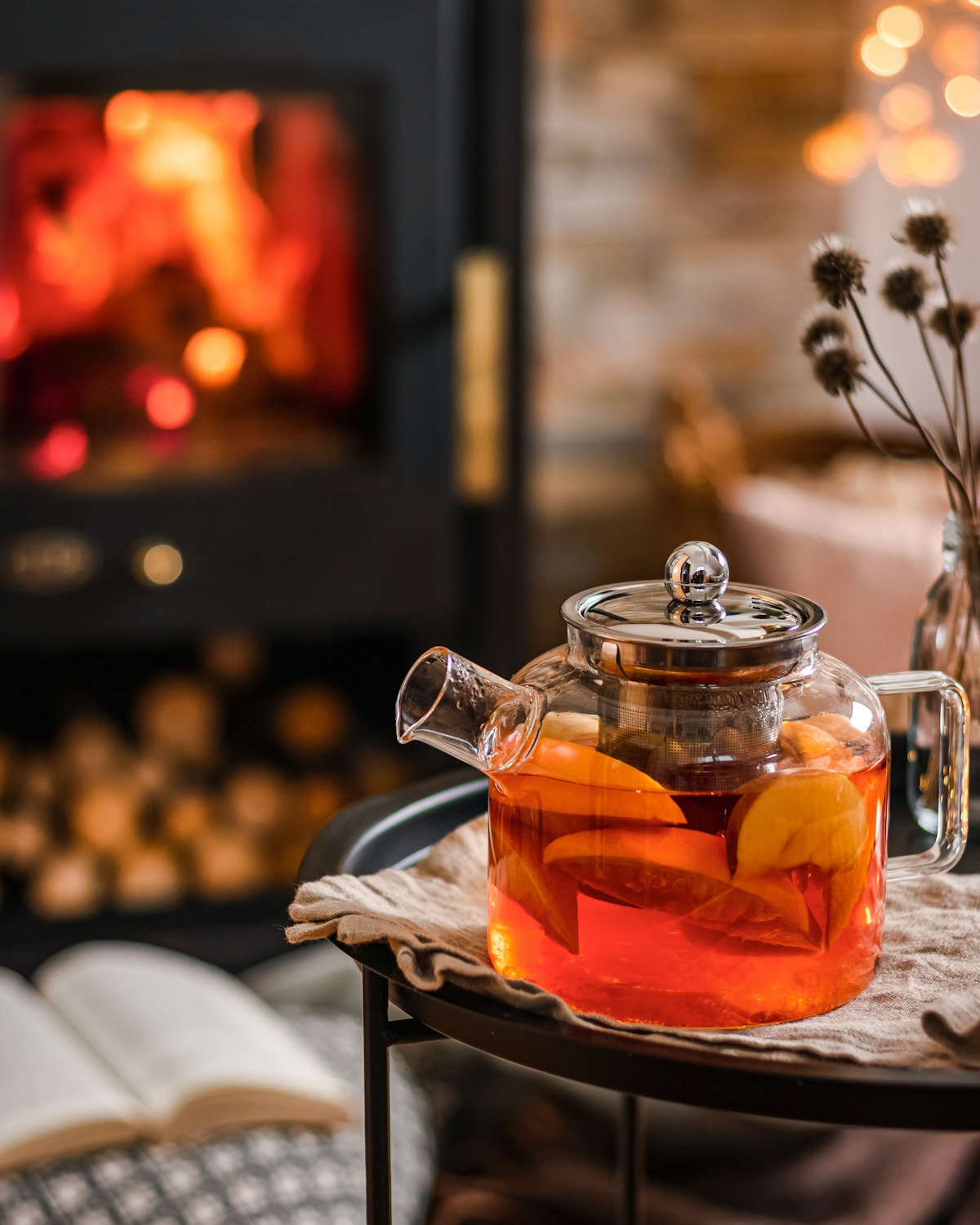
The mug stands in for the glasses now, chamomile or whatever warm nonsense is in the tin, taken in the same chair at the same hour, and it draws the border better than the Merlot ever did. Full disclosure, the tea itself isn’t sedating anybody, the evidence for sleepy herbs is thin and sleep researchers say so openly. That was a relief to learn, honestly, because it moves the whole burden off finding some magic liquid and onto something you control. The ritual was the part I actually needed.
The standing-in drink doesn’t have to be tea, and you already own several of these. A shower works the same way. So does stretching on the living room floor, or ten pages of a paper book, or anything that marks the same hour as the end of the day’s operations. What matters is never the liquid. It’s the hour the liquid marked. Pick the stand-in that your evening can actually hold seven nights a week, because the border only works when the brain learns to expect it at the same clock time.
The first dry week, honestly
Expect the first dry evening to feel longer than it should. The same hour in the same chair with nothing arriving, a faintly bored feeling that’s easy to read as a sign the whole plan is failing. It isn’t. That boredom is the wind-down slot announcing itself, the one the wine had been quietly occupying for years, and it passes by the second week. Bored is what an evening looks like when it has stopped being medicated.
The sleep itself follows a predictable order of operations. Falling asleep can run longer on the first few dry nights, because the off switch is gone and whatever replaces it hasn’t been built yet, and none of that is the experiment failing, it’s the experiment showing how much of your sleep onset was actually sedation in a reassuring costume. Meanwhile the second half of the night improves first. Within days, the log tends to show fewer wake-ups, later ones when they do come, easier returns to sleep, mornings that no longer open with a post-mortem. Lisa, the accountant with two glasses a night and a 2:40 arrival, saw the whole pattern in nine days on three dry evenings a week. Her wine nights landed her up between 2:20 and 3:00 like a commuter catching the same train.
The calendar part, which decides everything
The dry evenings themselves need managing, or the calendar will beat you. If a birthday dinner lands on a scheduled dry night, move the dry evening instead of canceling it, because a pattern tolerates swaps but not gaps. This is the detail that kills most dry stretches, a wedding, a work dinner, a Tuesday that goes sideways, and the fix is unromantic. The dry evening slides to Wednesday. The pattern was the point.
The social side deserves a straight answer too, because the pressure is real and almost always friendly. The host refilling a glass you didn’t ask to have refilled, the table ordering the second bottle, the friend at the pub who reads your sparkling water as a personal remark. Here’s the count from the other side. When you skip the drink, the number of comments you actually get is usually zero, occasionally one, and the one is over in four seconds. The 2:40 gets the whole night. Ordering the sparkling thing in a wine glass heads off most of the commentary before it starts.
What an alcohol-free routine won’t do
Now the honest limits, because a routine sold as a cure-all is a routine you’ll abandon in three weeks. Cutting evening alcohol improves the second half of the night, but it won’t fix a sleep that’s broken in other places. If your wake time wanders across the map, your caffeine runs until 4, and your bedroom glows like a departure lounge, the cleanest routine in the world hands you a partial result. Alcohol is one thief among several.
The other limit is the honest one about where this stops being a routine question. For some people the evening drink is the mechanism that makes the day survivable, the only switch they’ve found that quiets the anxiety or softens the grief or turns down a head that has been loud since breakfast. If that’s you, say it plainly, without shame, because shame has never helped anyone drink less. The honest next step there is a doctor, since sleep and mood run in both directions, and a doctor knows better switches. That sentence isn’t an accusation. It’s the reason the paragraph exists.
Building yours tonight
Here’s the five-minute version, and it’s deliberately small. Choose the stand-in first, the shower, the mug, the ten pages, whatever your evening can hold. Fix it to a clock time rather than a mood, because moods are unreliable staff. Put it in the slot the wine used to own, and let the boring first week be boring. If you drink, move the glass to dinnertime rather than white-knuckling a total quit, since fewer, earlier, with food is a legitimate stair-step that stands on its own.
Keep a log while you do it, nothing fancier than a pencil column for drinks next to a column for wakes, on the fridge where memory can’t quietly rewrite it. The pairing of those two columns is the entire point, because memory will tell you that you barely drank and barely woke, in the same breath, and be wrong about both. If you want the fuller mechanics of what the drink does to the back half of the night, why alcohol wakes you at 3 a.m. covers the handoff, and the two-week experiment shows how to test whether the wine is your thief at all. The nightcap myth explains why the tradition survives on half the truth, and how long before bed to stop drinking gives the timing math its own post.
Frequently asked questions
What can replace the evening drink in a wind-down routine?
Whatever marks the border at the same hour. The ceremonial last act, same chair, same slot, is the part that was actually working, and tea itself isn’t sedating anybody, the evidence for sleepy herbs is thin. A warm mug, a shower, ten pages of a paper book. Keep the ceremony, fire the chemistry.
Will falling asleep get harder without alcohol?
For the first few dry nights, often yes. The off switch is gone and the wind-down habit that should replace it hasn’t been built yet. That’s not the experiment failing, it’s the experiment showing how much of your sleep onset was sedation in a costume. Slowly at first, then reliably, the new border takes over.
How long before I notice better sleep?
The second half improves first. Within days, logs tend to show fewer wake-ups, later ones, easier returns. Lisa’s fridge log in the book produced a visible pattern in nine days on just three dry evenings a week, and the full two-week version is the honest test.
How do I handle a birthday or dinner invite during a dry stretch?
Move the dry evening instead of canceling it. A pattern tolerates swaps but not gaps. The experiment is a pattern, and if a birthday dinner lands on a scheduled dry night, the calendar move costs you nothing.
Do I have to quit drinking to build an evening routine?
No. Fewer, earlier, with food is a legitimate stair-step that stands on its own, and you can read all of this, nod, keep the nightcap, and no honest book will chase you about it. The routine and the glass can also coexist by moving the glass to dinnertime.
The book behind all of this is Sleep, Finally. Pick the stand-in tonight, same chair, same hour. Let the first week be boring.
This guide is educational, not medical advice. If sleep problems persist most nights for three months or more, or if the evening drink has become the thing that makes the day survivable, a doctor is the right door.