Sleep Red Flags & Help
Best Anti-Snoring Devices: an Honest Review
By Nora Vale · February 22, 2026 · 8 min read
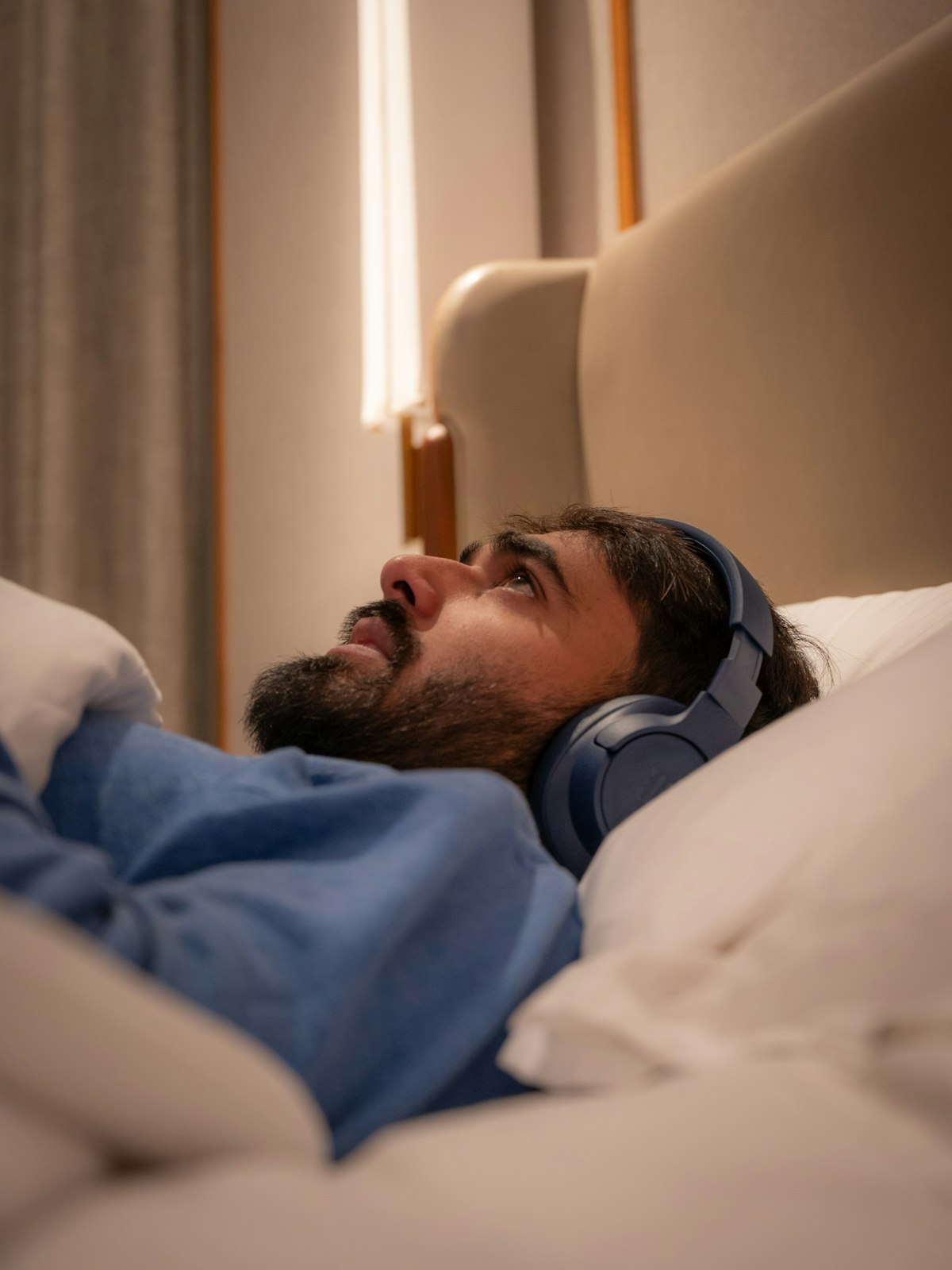
My husband’s snoring and my sleep shared a bed for two years before I bought my first anti-snoring gadget, a spring-loaded chin strap that made me look like a retired boxer and helped no one. Then came the nasal clips, the pillow with a shoulder ditch, the app that claimed to coach the snore quieter. What finally worked was a twenty-dollar tongue-retaining device and, separately, my husband sleeping on his side, which cost nothing. The order of operations matters, and the shopping aisle never mentions it.
Before the reviews, one boundary this post will not cross: “I’m not a doctor, I can’t examine you, and nothing here diagnoses anyone.” I keep the full red-flag chapter in the sleep red flags guide, and this post ranks the devices while pointing at the door where the aisle can’t help.
Key takeaways
- Anti-snoring devices work when the mechanism matches the snore: nasal, tongue-base, or positional. Mismatched, they’re jewelry.
- The strongest evidence sits with dentist-fitted mandibular advancement devices, congestion treatment, side sleeping, and weight where relevant.
- Free beats the aisle first: side sleeping, three dry hours before bed, congestion handled, pillow height checked.
- Snoring with pauses and gasps is not a device problem; it’s a possible apnea pattern and belongs in an appointment.
- A partner’s notes and a phone recording turn “you snore” into evidence a doctor can use in minutes.
First, know which snore you have
The device aisle fails people because it treats snoring as one problem. It’s several, and each has a matching mechanism. Nasal snoring, congestion-driven, whistles and rattles through the nose. Tongue-base snoring, the kind that deepens on your back, comes from soft tissue relaxing and narrowing the airway. Positional snoring happens mostly or only in certain positions, classically on the back.
A cheap diagnostic beats any box: have your partner note the position and the sound, or run a phone recording app for a night. Recording also does something the aisle can’t, which is check for the pattern that ends this article and starts a different one: “pauses in the snoring, ten seconds, twenty, then a gasp or a snort as breathing slams back on.” If the recording has pauses in it, stop shopping and start the appointment conversation, because “Any one piece alone can be ordinary. The trio deserves a doctor,” and the trio is pauses, daytime exhaustion, and unrefreshing sleep despite enough hours.
One more free variable before any purchase: alcohol. A drink within three hours of bed relaxes the airway tissues and makes anyone snore louder, and congestion from allergies does the same all night. Handle those two and a meaningful share of snoring simply shrinks.
Nasal devices: dilators and strips
The mechanism: hold the nasal valve open so air moves without the tissue vibration. External strips, the familiar springy ones across the bridge, are cheap and harmless and work when the bottleneck is the nose. Internal dilators, small silicone inserts, do the same job from inside and hold up better for side sleepers and people whose strips peel off in the night.
Who they fit: the whistling, congestion-adjacent snore, the one that worsens with allergies or a dry bedroom. Who they don’t: the deep, room-shaking snore that comes from the throat, which a strip can’t touch no matter how many come in the box. The honest review of both categories is that they’re inexpensive enough to trial for a week, and the trial itself is diagnostic: if the snore doesn’t move, your bottleneck isn’t nasal, and you’ve learned which shelf to skip.
Two cheap supporting moves live in the same territory: saline rinses before bed, and a humidifier if the bedroom air runs dry, since dry tissue vibrates more readily. Neither is a device in the aisle sense; both solve more nights than most things that are.
Mandibular advancement and tongue-retaining devices
The serious end of the aisle. A mandibular advancement device holds the lower jaw slightly forward, which pulls the tongue-base tissue forward with it and widens the airway. This is the mechanism with real support behind it, and it’s the one dentists fit; the boil-and-bite drugstore versions are the entry point, and some people get on fine with them, while others find the jaw ache not worth it. A dentist-fitted version adjusts the advance and survives years, and for habitual, positional-resistant snoring it’s the device I’d spend money on first.
Tongue-retaining devices take a different route to the same widening: they hold the tongue itself forward with gentle suction. They look odd, take a few nights of getting used to, and suit people whose jaw can’t comfortably advance. My own twenty-dollar winner came from this shelf, which is why it gets a fair hearing here despite the looks.
The honest costs of both: jaw or tooth soreness in the first weeks, saliva management, and the titration period where comfort and effect get balanced. And the hard boundary: oral appliances can be part of apnea treatment, but that version is prescribed, fitted, and monitored. The over-the-counter device is for ordinary snoring, not for a suspected sleep disorder, and the difference is a diagnosis, not a shopping preference.
Positional aids, pillows, and the free version
Roughly half of habitual snorers are positional, loudest on the back, because gravity and relaxation team up on the airway in that position. The positional aids on the market, vibration trainers and strapped backpacks, work for some people and get returned by others. The free versions do most of the work: a tennis ball sewn into the back of a sleep shirt, a body pillow barricade, or simply the pillow-height adjustment that keeps the head neutral rather than folded toward the chest, which kinks the airway like a garden hose.
Pillow claims deserve their own skepticism, since “the pillow is the gap-filler, and it’s where twenty dollars beats two thousand,” and the same skepticism that priced your pillow should price the anti-snore cushion. If a partner’s elbow has been the current positional aid, how to sleep with a snoring partner handles the two-sides-of-the-bed system, and the recording route to a kinder conversation is in how to talk to a partner about their snoring.
The stack I’d run before spending anything: side sleeping enforced somehow, no alcohol within three hours of bed, congestion treated, pillow height checked. That stack is free, it’s reversible, and if the snore survives it, the money is now well aimed.
When it’s not a device problem: the red flags
This section is the reason the post lives in this cluster rather than in a gadget roundup. Some snoring is a symptom wearing a noise, and no device sold online should touch it. The pattern: pauses in the snoring followed by a gasp, witnessed by a partner or caught on a recording. Add morning headaches, waking unrefreshed despite enough hours, and daytime dozing that caffeine doesn’t fix. The book’s clinical shorthand for the population: “The American Academy of Sleep Medicine estimates that around thirty million US adults have obstructive sleep apnea, and that roughly eighty percent of them have never been diagnosed.” The neighbor in the chapter who fit that description hadn’t been lazy; he’d been, in the book’s unforgettable phrasing, suffocating politely, eight hours a night.
The route in costs less than a good device: a doctor’s appointment with evidence in hand. Bring the recording, the partner’s notes, and a seven-day log; “Doctors work in minutes. Evidence respects their time.” If the diagnosis is apnea, the treatments are real and effective, from CPAP to prescribed oral appliances, and the device aisle becomes irrelevant. “Making the appointment is not the failure.” The failure is spending three hundred dollars on gadgets aimed at a problem that was never snoring.
And the honest limit under everything: I rank devices from a shopper’s chair, not a clinic’s. What the evidence supports, what the mechanisms are, where the boundary sits, that’s the review. The diagnosis belongs to someone with a license.
Frequently asked questions
Do anti-snoring devices actually work?
The matching ones do. Nasal dilators and strips help nasal snoring, mandibular and tongue-retaining devices help tongue-base snoring, and positional aids help back-snorers. The mismatched ones are expensive jewelry, which is why one night of recording beats any review, including this one.
What’s the most evidence-backed option?
A dentist-fitted mandibular advancement device, for habitual snoring that survives the free interventions. Behind it: congestion treatment, side sleeping, alcohol timing, and weight where relevant. The boil-and-bite versions are a legitimate trial of the same mechanism at a tenth of the price.
Can a device fix sleep apnea?
No over-the-counter device treats apnea. Snoring with pauses and gasps needs a diagnosis first, and if apnea is confirmed, the prescribed oral appliance, CPAP, or other treatments are fitted and monitored by professionals. The online versions of these devices are for ordinary snoring, not for a suspected disorder.
Which snoring patterns mean a doctor, not a device?
Pauses of ten to twenty seconds followed by a gasp, morning headaches, unrefreshing sleep despite enough hours, and daytime dozing. One is worth an appointment; the combination is worth one this month. Bring the recording and the log, and let the evidence do the arguing.
What should I try first, before buying anything?
The free stack: side sleeping, no alcohol within three hours of bed, congestion handled, pillow height neutral. Give it a week. If the snore survives, you’ve narrowed the mechanism and the budget, and the first purchase should match the snore your recording actually caught.
This guide is educational, not medical advice. If snoring comes with pauses, gasps, or daytime exhaustion, see a doctor before buying any device.