Caffeine & Sleep
Best Caffeine-Free Teas for the Evening
By Nora Vale · May 21, 2025 · 7 min read
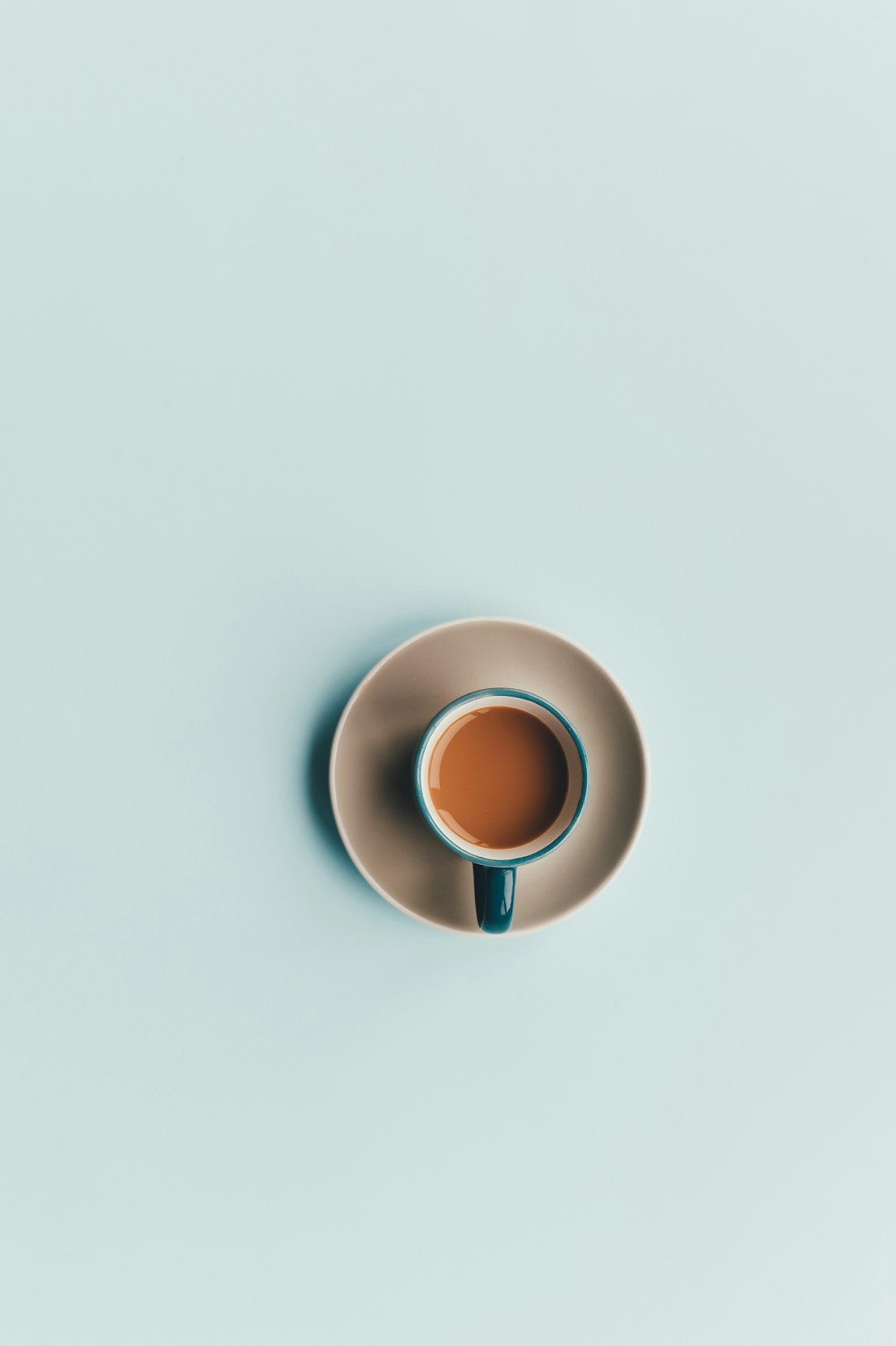
The evening tea habit found me the way most of mine do, sideways and skeptical. I’d assumed the whole category was flavoured hot water with a marketing degree, and honestly, some of it is. But the search for the best caffeine-free teas for the evening turned out to be about something larger than herbs: it’s the ritual object of the wind-down, the warm cup that marks the moment the day stops asking questions. That ritual’s timing rules live in my guide to caffeine and sleep, alongside the evening caffeine audit that makes the tea choice matter.
Key takeaways
- Herbal teas help the wind-down more than they cause sleep, and the ritual of the warm cup is doing half the work.
- Chamomile is the most studied evening herb, with modest evidence and a pleasant warmth effect that works either way.
- Check labels for stowaways: green or black tea, yerba mate, and guayusa turn a sleepy blend into a caffeinated one.
- Decaffeinated is not caffeine-free; decaf tea still carries a few milligrams per cup.
- The 2022 consensus points toward under 10 lux of light in the final three hours, and the warm dim tea hour fits that program perfectly.
What the warm cup is actually for
Start with the honest version of what evening tea does, because the marketing oversells it and the truth is still good. No herbal tea is a sedative, and any blend promising knockout effects deserves the same skepticism you’d give a mattress sold as a cure. What a warm, caffeine-free cup does is give the evening a punctuation mark: the kettle, the steep, the ten minutes holding something warm while the house dims around you. Half of any habit lives in the ritual of it, and the evening wind-down is where ritual earns the most.
That said, the herbs aren’t nothing. Chamomile has the longest history and the most research attention, with evidence for sleep quality that reviewers generally call modest and mixed, which is a fair description of most things that aren’t drugs. Lemon balm, lavender, and passionflower appear in blends with thinner but real traditions behind them. The honest summary: pleasant tools for the wind-down hour, not mechanisms, and pleasant is not a small thing at 9 p.m.
There’s also the practical, unglamorous benefit: the tea replaces things. The evening you’d have spent with a decaf-and-chocolate combo that quietly totals 50 to 100 milligrams after your cutoff, the glass of wine that fragments the night on its own schedule, the fourth scroll of the phone. A warm cup is a substitute with no invoice attached, and in the timing arithmetic, what it displaces matters as much as what it delivers.
The label check that keeps it honest
Here’s the skill this post is really buying you, because the tea shelf has a blind-spot problem. True herbal teas, tisanes, come from plants that aren’t tea, so they carry no caffeine naturally: chamomile, peppermint, rooibos, honeybush, hibiscus, lemon balm, the mint-and-chamomile families generally. The stowaways are the blends that mix in actual tea or its caffeinated cousins: green, black, and white tea all come from Camellia sinensis, and yerba mate and guayusa are caffeinated herbs that turn a sleepy-looking package into a stimulant delivery.
Decaffeinated is not caffeine-free, and the distinction matters in the evening math. Decaf tea still carries a few milligrams per cup, small for most people, but the whole point of an evening blend is zero on the tab. Read for the explicit statement: caffeine-free, herbal, or an ingredient list with no tea plant and no mate. Thirty seconds of label reading prevents the exact scenario where someone’s caffeine-free evening routine has been quietly serving them a green-tea blend all along.
One more practical flag: blends marketed for sleep sometimes lean on valerian, which has a strong smell people either tolerate or don’t and evidence that’s genuinely mixed. I’d rather get my evening comfort from the pleasant herbs and my sleep mechanics from light and timing than negotiate with valerian’s hay-bale aroma, but taste is personal, and if it works for you, the smell is a feature.
Building the evening around the cup
The tea works best as one instrument in the evening arrangement, and the arrangement has a shape. The 2022 international consensus on daylight suggests keeping light under about 10 lux in the final three hours before bed, which is stricter than any real household containing children will ever achieve, so treat it as a direction, not a test. Lamps instead of ceiling fixtures, the dimmest workable bulbs, one small pool of light per room. The tea hour lives inside that dimming, and the warm cup is the hour’s prop and clock.
Timing has one caveat that tea marketing never mentions: the bladder. A large mug of anything at 10:30 can wake you at 2 for reasons unrelated to chemistry, and a fragmented night doesn’t care that the liquid was herbal. My own practice: the big cup with dinner or just after, then a smaller pour for the wind-down, and nothing in the last hour except maybe a mouthful. Water earlier in the day, tea earlier in the evening, sleep uninterrupted.
And keep the audit honest across the whole evening, because the tea sits in a lineup. The evening that stays caffeine-free is tea plus nothing else caffeinated: the decaf after dinner, the square or three of dark chocolate, the iced tea at the restaurant all go on the same tab. The cutoff doesn’t count sources. It counts milligrams, and the herbal shelf exists precisely so the evening tab can read zero.
The honest limits
First limit, the evidence for evening herbs is modest, mixed, and often industry-adjacent, and I’d rather tell you that than sell you a chamomile miracle. The tea’s best-documented effect is ritual, and ritual is real, but it isn’t pharmacology.
Second limit, herbal tea isn’t automatically safe for everyone. Some herbs interact with medications, pregnancy changes the calculus for several common ones, and persistent insomnia deserves a doctor’s evaluation rather than a stronger blend. Check with a pharmacist if you take anything daily.
Third limit, the tea won’t outrun a bright evening. A 10 p.m. phone under a full-brightness ceiling cancels the gentlest blend, because the melatonin rise is that light-sensitive. The cup is a prop in a dim room. In a bright one, it’s just a warm drink.
Frequently asked questions
Do herbal teas actually help you sleep?
They help the wind-down, which helps the sleep indirectly. Chamomile has the most evidence and it’s modest, and the ritual of the warm cup in a dim room does a real share of the work. No tea is a sedative, whatever the label implies.
Is all herbal tea caffeine-free?
True tisanes are, but check blends for stowaways: green, black, or white tea, yerba mate, and guayusa all add caffeine. Decaffeinated tea is not caffeine-free, since decaf still carries a few milligrams.
What should I look for on an evening tea label?
An explicit caffeine-free or herbal statement, a short ingredient list, and no tea plant or mate hiding in it. Thirty seconds of reading keeps the evening tab at zero.
Does chamomile really work?
Modestly, on mixed evidence, with a genuine warmth-and-ritual effect layered on top. I’d call it a pleasant, low-risk wind-down tool rather than a treatment, which is still a fair return for a cup of hot water.
When should I drink evening tea?
In the final two or three hours, inside the dimming routine, with the larger serving earlier so the bladder isn’t your 2 a.m. alarm. The tea hour is a light-timing instrument as much as a beverage choice.
The tea shelf in full is covered in teas before bed, the ones that help and the ones that hurt and green tea vs black tea, which hurts sleep less, while the evening audit the tea sits inside is in hidden sources of caffeine. The full chapter is in Sleep, Finally.
This guide is educational, not medical advice. If sleep problems persist most nights for three months or more, a doctor is the right door.
Pick the blend you actually look forward to, read the label once, and let the cup close the day the way a good bookend does. The herbs are pleasant, the ritual is real, and the zero on the caffeine tab is the quiet part doing the heavy lifting.