Bedroom & Sleep Environment
Best Fans for Bedroom Cooling in Summer
By Nora Vale · September 18, 2025 · 6 min read
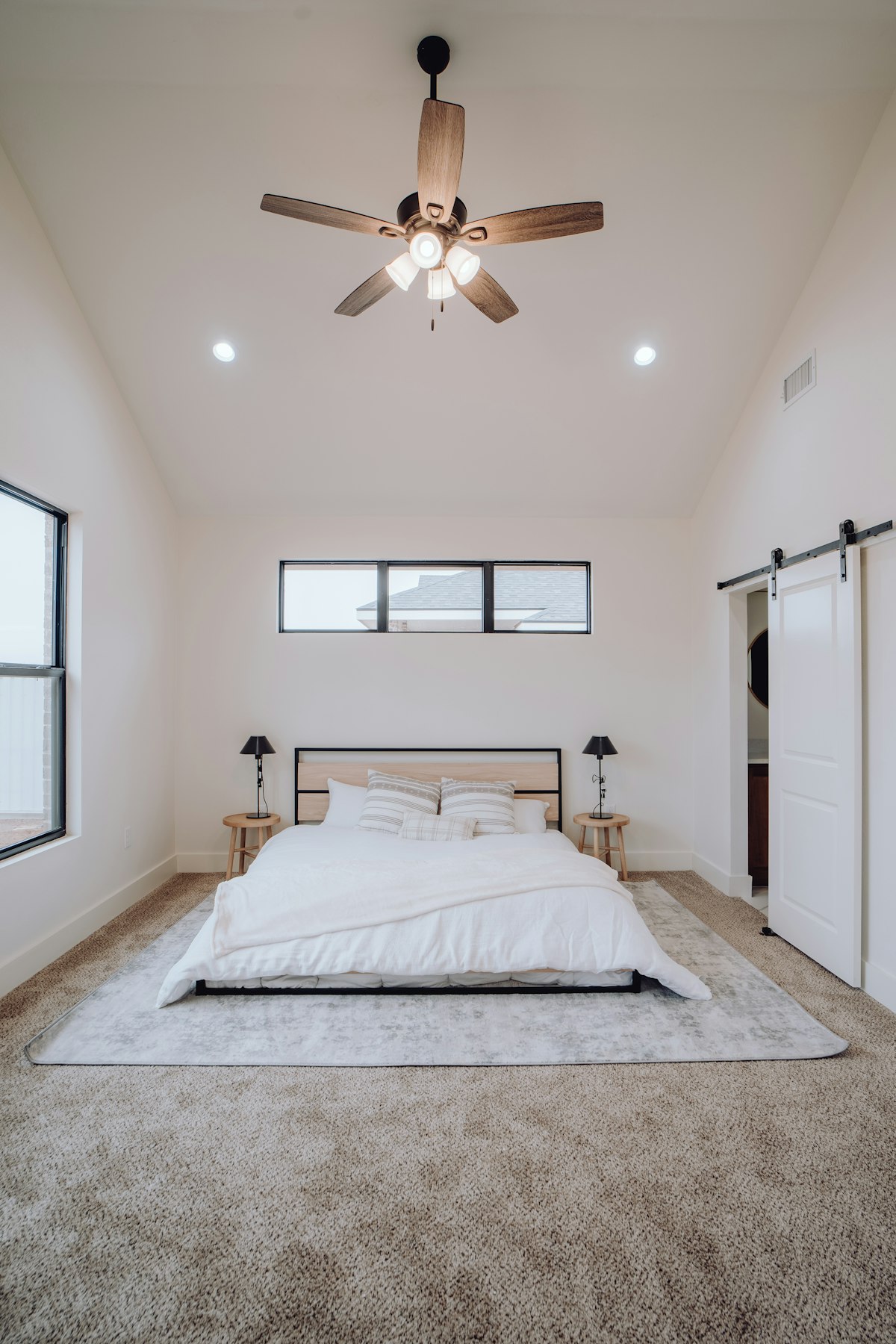
The summer I finally slept through a heat wave, the hero of the story was a twenty-dollar box fan I’d been using as a desk ornament. I’d been pricing tower fans with remotes and app timers, and the whole time the answer was sitting in the corner doing half its job. Fans are the least glamorous tool in the bedroom and one of the few that pulls double duty, cooling and sound at once, and getting the most out of one takes about ten minutes of setup. This is what fans actually do for a summer night’s sleep, and why, straight from the bedroom sleep environment guide.
Key takeaways
- Fans help sleep two ways: evaporation off your skin, and steady sound that masks noise changes.
- Sleep needs falling core temperature, so a cool room in the 60 to 68°F range beats any breeze alone.
- A fan plus lighter layers widens your comfort range without a thermostat fight.
- White noise’s own evidence is thin, but masking sudden sound is real and nearly free.
- The cheap box fan does the whole job. Spend the difference on nothing.
Why a breeze works when the thermostat won’t
Start with the biology, because it explains every good fan decision. Your body needs its core temperature to fall a degree or two for the brain to file the night under started, which is why a warm bedroom is a lockout even when you’re exhausted. In summer, the fastest lever you own isn’t the air temperature, it’s evaporation. Moving air across your skin speeds the evaporation of sweat, and evaporation carries heat away, which is why a breeze makes a 78-degree room feel survivable and still air makes it feel like a parking lot.
That’s also why fan placement beats fan price. You want air moving over you, not at your face. A box fan in the window pulling cooler night air toward the bed, or a simple oscillating fan crossing the room at mattress height, does more than a premium tower fan pointed at a wall. And in a warm room, the fan plus a duvet you can kick half off beats a cold room plus one heavy blanket, because layers let you tune your own microclimate at 2 a.m. without properly waking. Kick one leg out. That counts as climate control.
The second job: sound, not just air
Every fan owner has had the moment of switching the fan off on a cool night and being unable to sleep, and that’s not dependence, it’s the noise section of the same tool. A brain adapts to steady sound within minutes, but it never adapts to change, so the neighbor’s door, the furnace, the pipe that ticks, each one is a fresh alert your brain has to process. A fan lays down a steady floor of sound so every sudden noise stands out less against it, the way a candle stops looking bright at noon.
The book I write from says it in one line.
“your brain doesn’t care much about steady sound; it cares about change.”
Now the honest part, because the white-noise industry won’t say it. The evidence that white noise improves sleep itself is thin, and a 2021 review in the journal Sleep Medicine Reviews called the findings inconclusive. The downside risk is close to zero, though, and masking the on/off patterns, snoring above all, is where the real wins live. Keep the volume at conversation level or below, steady all night. Loud masking becomes its own noise problem, and then you own two problems. If snoring is the noise you’re masking, how to sleep with a snoring partner goes deeper, and white noise for sleep covers the sound side on its own.
The fan-powered summer setup
Here’s the whole configuration, cheap enough to finish tonight. Box fan or oscillating fan positioned for airflow across the bed, window arrangement that pulls in the coolest air your evenings offer, layers on the bed so anyone sleeping in it can shed or add without a negotiation. Foam earplugs if the neighborhood is loud, rolled tight, ear pulled up and back, held until they expand. A plug rated around 30 decibels of reduction delivers roughly half that in the real world, which turns a motorcycle into a rumor, and the combination of a fan and well-fitted plugs carries most people through traffic, parties, and renovating neighbors.
The cardboard-and-tape version of this whole setup costs almost nothing, and that’s the part I want you to keep. Spend the money on sleep, not on the story. If your summer problem is heat you can’t escape, pair the fan with the shower trick: a warm shower one to two hours before bed pulls blood toward the skin, and once you’re out, that heat escapes and drags your core temperature down, which is exactly the signal you wanted. The post on does a warm shower before bed help explains the timing.
What a fan can’t fix
The honest limits, stated before you buy three of them. A fan moves air, it doesn’t lower a hot room, and in a genuine heat wave with a nighttime temperature of 85, a breeze mostly redistributes the warmth, so the room fix, blackout the sun by day, open windows on the cool side at night, has to come first. A fan also does nothing for the internal heat some bodies generate: hot flashes and night sweats run on chemistry, and while a fan helps sweat do its job, no amount of airflow stops a flush from starting. And if the noise you’re masking is a partner’s snoring with pauses in breathing, the fan is a patch on a medical question, and the kind conversation to have is about a doctor, not about decibels. The room sets the floor. A good fan is one of the best floor-setters going, and it was never going to be the whole house.
Frequently asked questions
Do fans actually help you sleep in summer?
Yes, through two doors at once. Moving air speeds evaporation off your skin so sweat can do its cooling job, and the steady sound masks the sudden noises your brain would otherwise surface you for. A fan is one of the few summer sleep tools that earns its spot twice.
What temperature should a bedroom be in summer?
Cool, in the 60 to 68°F working range, with 65 to 68 as the commonly cited sweet spot. Core temperature has to fall for sleep to start, so err cold. A fan widens the comfort range so the same room works through a heat wave.
Is white noise from a fan good for sleep?
For masking, yes. The evidence that white noise improves sleep itself is thin, a 2021 review in Sleep Medicine Reviews called the findings inconclusive, but the downside risk is nearly zero, and steady sound blurs the on/off noise patterns that trip micro-awakenings.
Where should a fan point in the bedroom?
Across your skin, not at your face, and ideally drawing cooler air from a window or hallway toward the bed. The goal is air moving over you, so sweat can evaporate, not a wind tunnel aimed at your ears.
Do I need an expensive fan?
No. A box fan from the hardware store handles the white-noise job as well as any gadget, and the whole room fix, tape, earplugs, a fan, costs less than a takeout dinner. The expensive ones mostly sell the same airflow with better marketing.
The full summer-proofing chapter, fans and all four dials, is in Sleep, Finally. Tonight: fan across the bed, one layer fewer than feels polite, and earplugs in the drawer for the neighbor’s motorcycle. That’s the whole upgrade.
This guide is educational, not medical advice. Night sweats that soak the bed, snoring with breathing pauses, or sleep trouble persisting most nights for three months belong with a doctor, not a bigger fan.