Exercise, Naps & Sleep
Best Fitness Trackers for Sleep and Recovery
By Nora Vale · July 2, 2025 · 7 min read
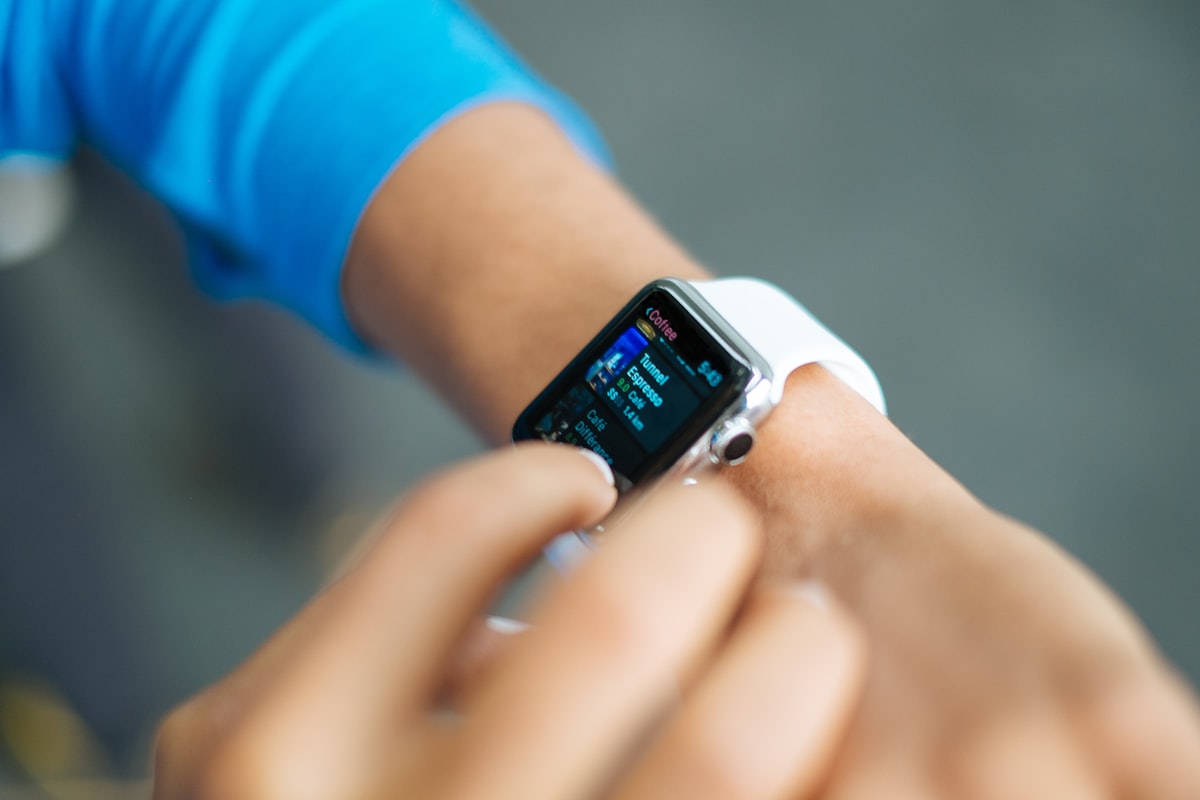
The fitness tracker on my wrist has one job I actually value, and it isn’t the sleep score. It’s the Tuesday I look at my step trend, notice I’ve spent three weeks at half my normal movement, and connect it to the nights that stopped having edges. That’s the honest use case for fitness trackers for sleep and recovery, and most reviews skip it because it doesn’t sell hardware. Here’s what to buy, what to ignore, and what the numbers genuinely can’t tell you. The exercise and sleep guide holds the chapter that should drive the purchase.
Key takeaways
- The tracker’s real value is trend data: whether movement and sleep are steadier this month than last, not any single night’s score.
- Useful minimum measurements: sleep duration and timing, movement, and a recovery signal that responds to training load.
- Consumer sleep-stage estimates are rough, and a lab test they are not, so grade the stage charts on a generous curve.
- Recovery readouts earn their place for training load: a resting pulse that won’t drop and worsening scores under heavy volume are real signals.
- The mistake to avoid is chasing perfect scores, since the benefits live in boring consistency, not in nightly grades.
What a tracker can honestly do for sleep
The case for wearing one is the case for logging anything: memory fudges, and trends hide from people who don’t write things down. A tracker records your bedtime drift, your wake times, and your movement without asking anything of you, and after a month you’re looking at a pattern instead of a feeling. That pattern is where the sleep work happens, because the benefits of exercise on sleep compound over weeks, and the person who can see the correlation between walking days and deeper nights has evidence no article can hand them.
The recovery angle is where fitness trackers justify a higher price tier, and it’s legitimate. Hard training creates repair demand, deep sleep fills it, and the readouts that track resting heart rate, heart-rate variability, and training load can flag the overtraining end of the spectrum, where chronic heavy volume without recovery starts burning the night back. A resting pulse that refuses to drop, sleep scores sliding as mileage climbs, recovery stuck low for a week: those are readouts worth listening to, and they arrive earlier than the symptoms do.
Everything else on the spec sheet is mostly marketing wearing a graph.
What to look for, without the hype
If I were buying today, my checklist would be short. Sleep duration and timing that match a paper log within reason, because accuracy at the trend level is what matters and the brands that survive validation studies at all do fine here. A movement estimate you’ll actually glance at, whether that’s steps or minutes. Some recovery signal if you train hard, since that’s the feature that earns its battery life. And battery life itself, because a watch you charge every night is a watch that spends every bedtime on the cable instead of the wrist, which is its own small irony.
What I’d ignore: sleep-stage charts treated as diagnosis, stress scores that spark anxiety instead of reflecting it, and any score so opaque that you can’t say what changing your behavior would do to it. Consumer devices estimate stages from movement and heart rate, and the estimates are rough in a way the marketing isn’t required to admit. The duration and timing numbers are the trustworthy layer, and they’re the ones your decisions should hang on anyway. Everything above that layer is decoration until validated, and most of it never will be.
Also worth saying, since the ads won’t: no tracker makes you sleep better. The sleep tool inside the tracker is the movement it nudges you toward, and that tool predates electronics by several hundred thousand years. The device is a mirror, not a mechanic.
How to pick for your actual week
Match the device to the question you’ll actually ask it. If your question is whether you’re moving enough, a basic band answers it for the price of dinner, and the answer is the same one a fancy watch would give. If you train hard and want the load-recovery picture, the mid-tier and higher devices earn their cost, and the recovery trend is the feature to prioritize. If your question is whether you have a sleep disorder, none of these is the answer, and a doctor with a proper study is the right door, which is the honest limit every review owes you.
Frequently asked questions
Do fitness trackers actually help sleep?
Indirectly, and only if you act on what they show. The tracker’s real value is consistency data, whether your sleep and movement are steadier this month than last, because the sleep benefits of exercise come from repetition, not from any single session the watch recorded.
What should a sleep and recovery tracker measure?
A useful minimum is sleep duration and timing, some estimate of movement, and a recovery or readiness signal that responds to training load. Heart-rate trends help too. No consumer device measures sleep stages as accurately as a lab, so treat stage breakdowns as rough estimates.
Can a tracker tell me I’m overtraining?
It can hint at it. A resting heart rate that stops dropping, worsening sleep scores as training volume climbs, and recovery scores stuck low are readouts worth taking seriously, since chronic overtraining can genuinely burn the night back.
Do I need a tracker to improve my sleep?
No. The most underrated sleep tool in the book is movement, and you can’t put a walk in a box and charge monthly for it. A paper log of bedtime and wake time does the core job for free, and the tracker is a convenience layer.
What’s the biggest mistake people make with sleep trackers?
Orthosomnia, chasing a perfect score. The number that matters is the trend over weeks, and a bad score on a night you felt fine is usually the sensor being wrong, not you.
The habit test beats the feature list, though, and it’s worth running before you buy: the best tracker is the one whose data you’ll look at weekly without dread. If a dashboard of nine scores makes you tired, the one-ring version is better for you regardless of specs, because orthosomnia, chasing perfect numbers, is a real and self-defeating way to use these things. A bad score on a night you felt fine is usually the sensor being wrong, not you, and the trend forgives what the single night punishes.
For the behavior the tracker should be watching, the 21-day walking plan for deeper sleep is the program, how long until exercise improves your sleep sets the timeline, and best sleep trackers for spotting apnea signs covers the medical end of wearables. And if you’d rather skip the hardware entirely, a paper log of bedtime, wake time, and last caffeine does the core job, which is exactly what the book hands you in its appendix, free.
This guide is educational, not medical advice. If a tracker’s data suggests a sleep disorder, take it to a doctor rather than to a forum.