Social Jet Lag & Weekends
Best Light Therapy Lamps for Steady Wake Times
By Nora Vale · March 18, 2026 · 7 min read
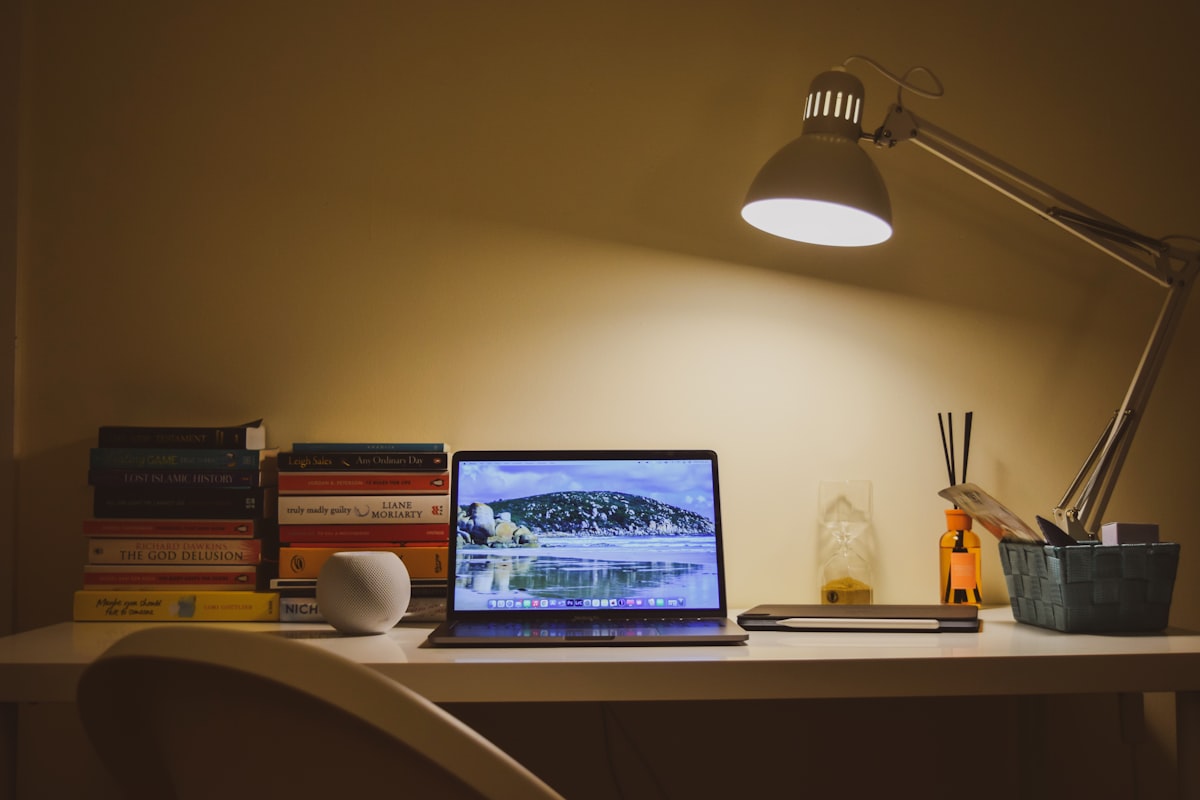
The light therapy market runs on a confession most of its listings avoid: the lamp is a replacement for something free, and it’s a good replacement only when the free thing is genuinely unavailable. I own one, use it seasonally, and recommend it to a narrower group than the listings do. The best light therapy lamps for steady wake times earn their shelf space in dark winters and pre-dawn schedules, and nowhere else. The mechanism they substitute for is in the social jet lag guide, and the daylight version is in morning light resets your body clock.
Key takeaways
- A lamp is a daylight substitute, not an upgrade; buy it when daylight isn’t available.
- The specs that matter: 10,000 lux at a stated distance, adequate panel width, usable glare.
- Twenty to thirty minutes within the first hour of waking, consistent daily timing.
- Outdoor morning light beats most lamps when it’s actually available.
- Evening use sabotages the exact signal the morning session builds.
What the lamp is actually doing
Same machinery as the sunrise, abbreviated. Dedicated retinal cells carry light to the master clock, which sets its time daily, and morning-session light advances the rhythm: earlier melatonin tonight, easier waking tomorrow. A compliant lamp delivers 10,000 lux, roughly the intensity of outdoor sky an hour after sunrise, at a defined distance, which is the intensity indoor lighting never approaches. Your kitchen ceiling manages a few hundred lux. The lamp exists to bridge a gap buildings made.
That framing matters because it sets the honest price test. If you can get ten to thirty outdoor minutes on waking most days, the lamp buys you little. If your winter sunrise arrives after you’ve left for work, or your shift ends at seven in the morning, or your apartment faces a light canyon, the lamp is the only daylight-adjacent signal your morning will get, and it’s worth every reasonable dollar.
The specs, ranked by what they change
Three specs decide whether a lamp works in practice, and the marketing mostly argues about the rest. First, measured 10,000 lux at a stated distance, which is the compliance standard for clock-setting light. A lamp claiming 10,000 lux at two meters is a different product from one claiming it at thirty centimeters, and the distance is where listings quietly cheat. Read the distance, not the headline.
Second, panel width, because the dose is a function of light reaching your retinas, and a narrow panel requires you to sit at a precise angle for the full session like a subject in an experiment. Wide panels forgive normal breakfast posture, and forgiveness is what makes a daily habit survivable. Third, glare and color temperature: the light should sit to the side of your line of sight, and anything that makes you squint through the session will be abandoned by February. UV filtering is standard in reputable units; if a listing doesn’t state it, assume the manufacturer is saving money somewhere you can’t see. For the usage mechanics in full, how to use a light therapy lamp without overdoing it is the dedicated guide.
How to run the session so it works
The protocol is dull and the dullness is the point. Twenty to thirty minutes, within the first hour or so of waking, at the stated distance, angled to the side. Do it during an existing anchor: breakfast, email, the first stretch of desk time. The lamp is a setting signal delivered on a schedule, and the schedule, tied to a consistent wake time, is what steadies the wake times you bought it for. Pair it with how to wake up at the same time every day and the two reinforce each other the way daylight and the anchor do outdoors.
The timing boundary is where people lose the benefit: the session belongs in the morning, and evening use pushes the clock later, which is the drift you were buying the lamp to fix. A lamp burning brightly at 9 p.m. is a machine for manufacturing the problem. If your concern is dark evenings rather than dark mornings, that’s a different, smaller problem, mostly solved by dimming, which how to dim your home for sleep without rewiring covers.
Who actually needs one
Buying guidance, by situation. Dark-winter latitudes where you leave for work before sunrise: yes, this is the lamp’s home turf. Shift schedules with mornings that start in the dark: yes, with the timing anchored to your wake time rather than the clock’s idea of morning. Long winters with seasonal mood dips: reasonable, with the caveat that significant seasonal depression deserves a clinician’s involvement rather than a product review. Bright-climate offices with an outdoor morning habit already running: no, you own the better machine already.
The honest limit, stated plainly because I own the thing: a lamp cannot substitute for a consistent wake time, and a lamp used at random hours does approximately nothing. It amplifies an anchor; it doesn’t create one. Anyone selling it as a standalone fix for chaotic sleep is selling a desk accessory with a pitch. And the safety notes aren’t decoration: people with bipolar disorder should involve a clinician before starting, since bright light can trigger episodes in some; significant eye conditions and photosensitizing medications deserve a check too. Headaches from early sessions usually yield to shorter ones and more distance.
Frequently asked questions
Do light therapy lamps actually help steady wake times?
Yes, when the specs are real and the timing is consistent. A 10,000-lux session soon after a fixed wake time delivers the clock-setting signal daylight would, which pulls tonight’s melatonin earlier and steadies tomorrow’s waking. It supports the anchor; it doesn’t replace it.
What specs actually matter when choosing a light therapy lamp?
Measured 10,000 lux at a stated distance, adequate panel width so you don’t need experimental posture, and a glare level you can sit beside without squinting. UV filtering is standard in reputable units and worth confirming. Everything else on the box is decoration.
How do I use a light therapy lamp correctly?
Twenty to thirty minutes within the first hour of waking, at the listed distance, light angled to the side of your vision, during something you already do anyway. Consistency of timing does the work. Evening sessions push your clock later and sabotage the whole purpose.
Do I need a lamp if I get outdoor morning light?
Usually not. Outdoor light, even overcast, outstrips most lamps. The lamp earns its cost when outdoor mornings aren’t available: pre-dawn winters, dark shift commutes, apartment canyons. Buy it for the mornings the sun can’t cover, not as an upgrade to the sun.
Who should be careful with light therapy?
People with bipolar disorder should involve a clinician first, since bright light can trigger episodes in some; significant eye conditions and photosensitizing medications deserve a check too. Headaches from early sessions usually resolve with shorter sessions and more distance.
The clock, the light, and the lamp that substitutes for both are one chapter of Sleep, Finally. Buy it for the mornings the sun misses, and aim it at the window of your wake time.
This guide is educational, not medical advice. Talk to a healthcare provider before starting light therapy, especially if you have bipolar disorder, eye conditions, or take photosensitizing medication.