Sleep Red Flags & Help
Best Sleep Log Apps to Share With Your Doctor
By Nora Vale · March 8, 2026 · 7 min read
The appointment is in three weeks and the plan, loosely, is to say “I sleep badly” and hope the doctor performs a trick. There’s a better version, and it fits in one column of a spreadsheet: seven mornings of honest numbers, the difference between a feeling and a finding.
I’m not a doctor and can’t examine you, so this page is about the evidence, not the verdict. The sleep red flags guide covers the patterns that belong in an appointment; this one covers the best sleep log apps and habits for bringing material that makes you the easiest useful patient your clinician sees that day.
Key takeaways
- Doctors work in minutes. A log with wake times, wakings, caffeine, alcohol, and morning feel respects their time.
- Consumer trackers are decent at bedtime consistency and genuinely bad at knowing when you were quietly awake.
- Seven days is the working minimum; fourteen catches the weekly and cycle-linked patterns.
- Bring the partner’s notes, the medication list, and one rehearsed sentence. Skip the apology.
What the log actually needs to hold
Start with the columns, because any app or paper sheet lives or dies on them. Wake time, minutes to fall asleep, night wakings, last caffeine, alcohol, and morning feel on a one-to-five scale. One row per morning, ninety seconds, filled before coffee so you can’t polish it. That set of numbers converts “I sleep badly,” which is a feeling, into “I take fifty minutes to fall asleep six nights out of seven, wake at 3 most mornings, and feel like a two,” which is a finding.
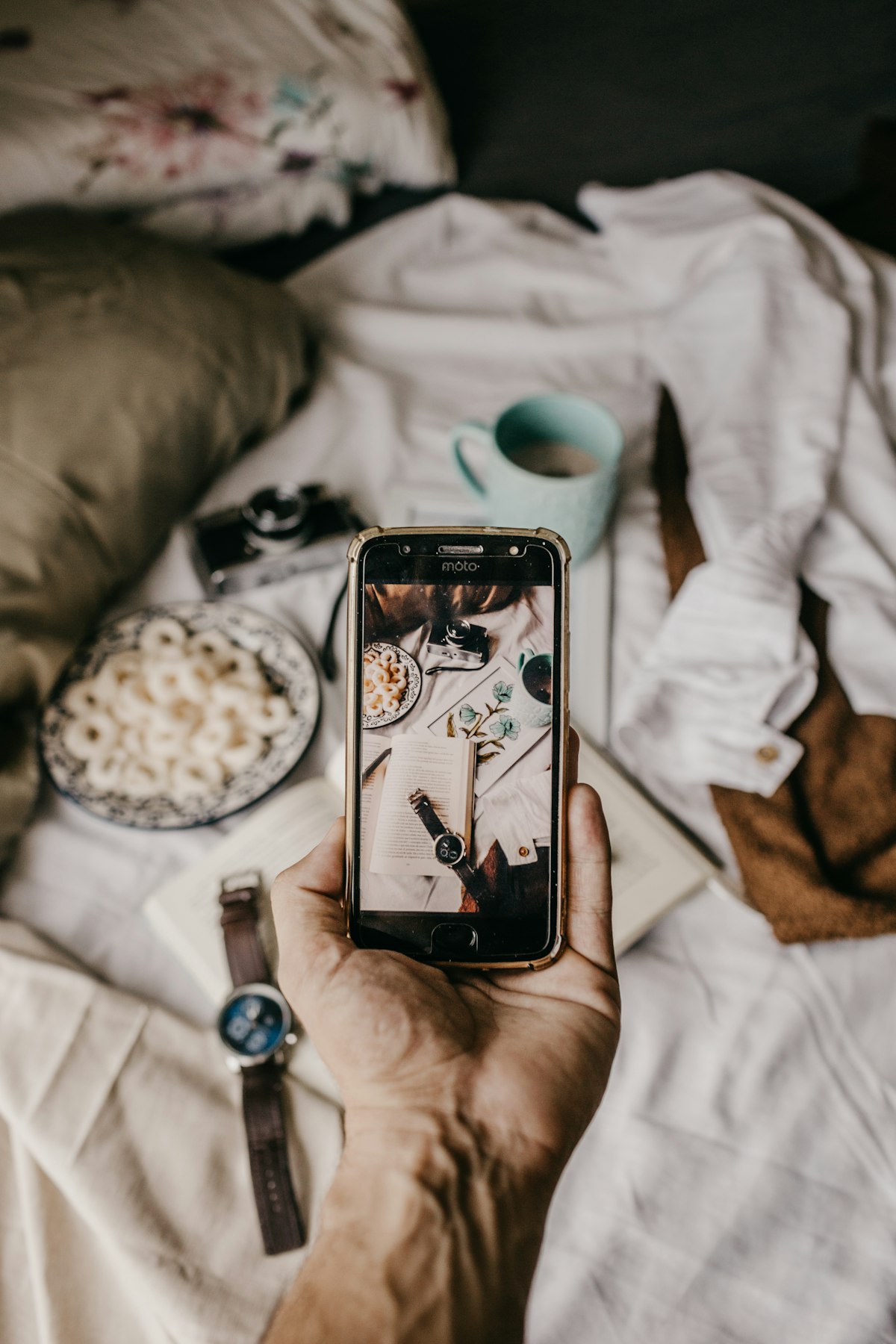
If you’d rather use an app than paper, the features that matter are narrow: fast manual entry, an export or share function your doctor can actually receive, and space for a free-text note about the night. Most sleep apps have a manual-log mode that works fine for this. What the wrist adds automatically is weaker than people hope, because consumer trackers are decent at bedtime consistency and genuinely bad at knowing when you were quietly awake, which is precisely the data an insomniac tortures herself with. Your own morning-feel score, graded honestly, is a better instrument than the wrist, and if checking the tracker makes you anxious, it loses its nightly authority. You can keep wearing it; you just work for it now, not the other way around.
Paper still wins one contest, and it’s the one that happens at 3 a.m. The paper version works with the lights off, in the kitchen, no unlock required. If you’re rebuilding broken nights, a log you’ll actually fill matters more than any feature list.
How many days, and what the patterns say
Seven days is the working minimum, because it catches the weekday-versus-weekend split and gives every pattern time to repeat at least once. Fourteen is better, especially if the trouble might be hormone-linked or cycle-linked, since weekly patterns need two cycles before they’ll confess. After a month, read the whole thing like a stranger’s diary and look for the trend line, not the single bad night, which was never the point.
The patterns that matter to a clinician are the ones you’d guess and one you wouldn’t. Drinking nights and 3 a.m. wakefulness tend to travel together. Late caffeine shows up as shallower, more broken sleep even when you fall asleep fine. Weekend lie-ins show up as Sunday-night insomnia. And the honest threshold: trouble falling asleep, staying asleep, or both, at least three nights a week, for at least three months, with a daytime cost, is the line where this becomes chronic insomnia and CBT-I, the first-line treatment, becomes the thing to ask for by name.
What else goes in the bag
The log travels, but it doesn’t travel alone. If a partner has been keeping the real records, and they usually have, bring their observations: the pauses, the gasps, the kicking, the video someone took at 2 a.m. that seemed deranged at the time and now looks like documentation. “His snoring stops and then he chokes” outperforms any adjective. If you sleep alone, a phone left recording audio overnight can hand you the same evidence a partner would have brought years ago. It isn’t a diagnosis. It’s the difference between “I think” and “listen to this.”
Bring the list of everything you take: prescriptions, supplements, the melatonin from the airport kiosk, the antihistamines you started using as a nightcap. Handing it over written down turns twenty questions into two. And bring one rehearsed sentence, said once, in the car if needed: “I think I have chronic insomnia, and I’d like to start with CBT-I before medication.” People compose their symptoms in the parking lot and then open with an apology for wasting the doctor’s time, which is a strange way to begin the thing you delayed for two years. Skip the apology. Say the sentence.
One habit makes the whole log trustworthy, and it costs nothing: fill it before coffee, every morning, including the mornings after good nights. A log that only records disasters reads like a complaint. A log that records seven ordinary mornings alongside the bad ones gives the clinician a baseline, and the baseline is what makes the bad nights legible. You’re not grading yourself, and a bad night recorded honestly is worth three good nights remembered fondly.
Making the appointment is not the failure. Grinding alone through months of bad nights with clear signs sitting in front of you, that’s the failure, and it’s usually a failure of information rather than character. Can’t sleep for months covers the threshold in detail, what is CBT-I explains the treatment worth asking for, and sleep study what to expect covers the apnea route. If the first doctor waves you off with a laugh about how everyone sleeps badly these days, it’s permitted to seek a second opinion, and the log travels well.
Frequently asked questions
What should a sleep log include before a doctor visit?
Wake time, minutes to fall asleep, night wakings, last caffeine, alcohol, and morning feel on a one-to-five scale, one row per morning, filled before coffee. Seven days converts the complaint into a finding, and fourteen catches the weekly patterns.
Are sleep tracking apps accurate for sharing with a doctor?
For bedtime consistency, decently. For knowing when you were quietly awake, no, and that’s the data that matters most. Use the app’s manual-log mode if you like it, grade your own morning feel, and treat the automatic scores as decoration.
How many days should I log before the appointment?
Seven is the working minimum. Fourteen is better if the trouble could be hormone-linked, cycle-linked, or alcohol-linked, because weekly patterns need two cycles to repeat before they’ll confess in your own handwriting.
What else should I bring besides the log?
A partner’s notes on snoring pauses or gasps, a recording if you sleep alone, the full list of everything you take including supplements, and one rehearsed sentence naming the pattern and the treatment you’d like to try first. The sentence outperforms the apology.
Build the log this week, not the night before the appointment, because the trend line is the testimony. Then make the call, bring the seven days, and let the evidence do the arguing in the room where it counts.
This guide is educational, not medical advice. If sleep problems persist for months despite sane evenings, see a doctor.