Caffeine & Sleep
Caffeine and Anxiety: Why Nights Feel Worse
By Nora Vale · May 13, 2025 · 7 min read
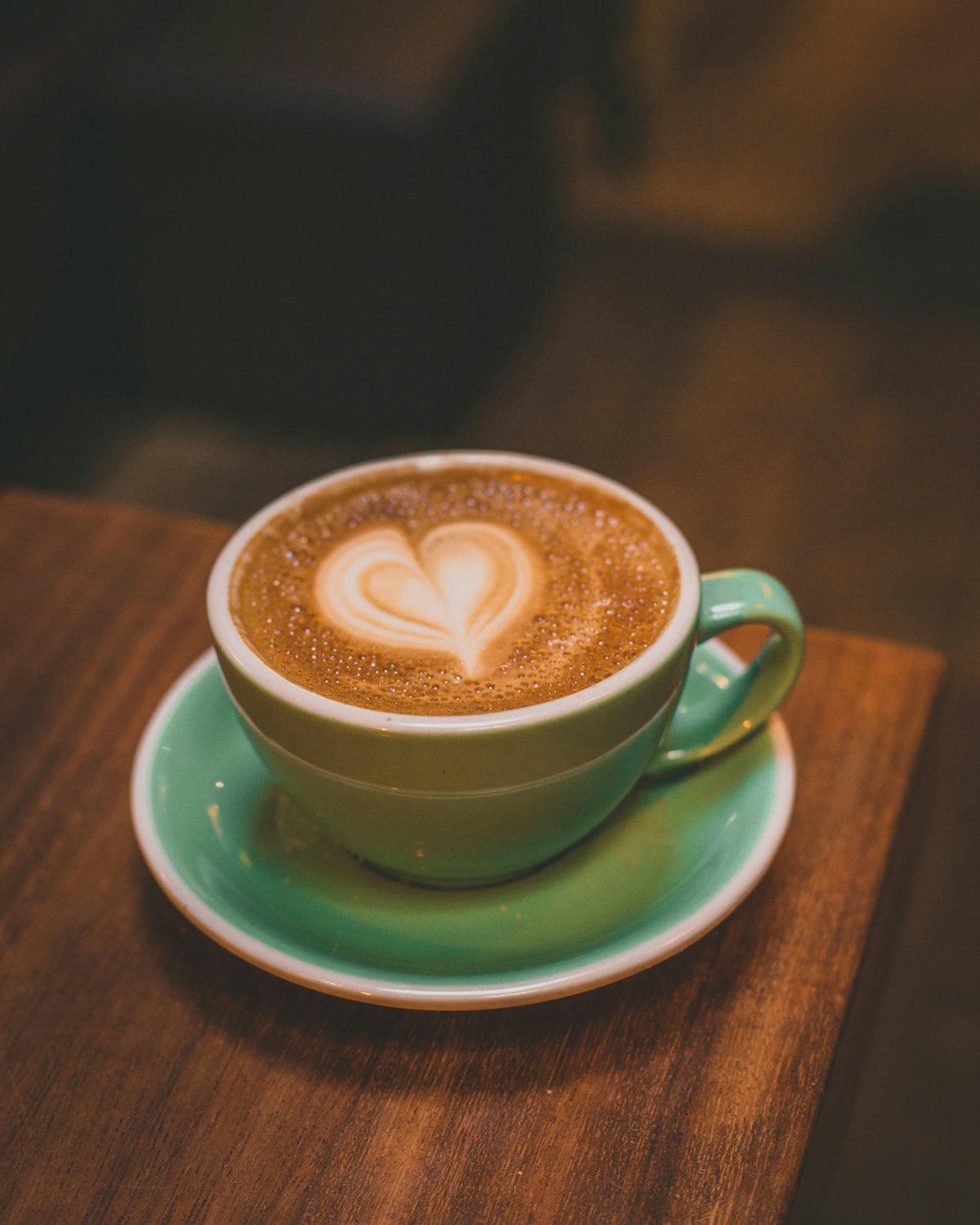
The third coffee on a hard day never tastes like a decision. It tastes like rescue, twenty minutes from first sip to feeling like a person again, and I say that as someone who drinks coffee every morning and intends to keep doing so. The problem is what that rescue does on its way out. Caffeine anxiety nights have a specific shape: fine evening, reasonable bedtime, then a two a.m. surfacing with a heart going like something urgent is happening, and no obvious reason why the night turned.
I ran that shape for years before I saw the machinery, and the full timing chapter lives in my caffeine and sleep guide. This post stays on the intersection: what the cup does to an already-anxious evening, and why the worst days are the ones the cutoff matters most.
Key takeaways
- Caffeine doesn’t give energy, it hides the receipt for energy already spent, and the receipt arrives at night.
- Caffeine and cortisol push in the same direction, so late cups land hardest on stressed days.
- Falling asleep fast isn’t the test. Staying down in deep, unbroken sleep is the test.
- The Sleep Foundation guideline is no caffeine within eight hours of bedtime, ten or more if sleep is already thin.
- A two-week cutoff experiment with a log is the only honest way to find your own number.
The loan terms nobody reads at the counter
The thing caffeine sells isn’t energy. “The thing it sells you isn’t energy. It’s a loan against tonight.” The mechanism is worth knowing once, because it explains everything else. Your brain produces a chemical called adenosine from the moment you wake, and it accumulates hour by hour, which is why you start the day clear and end it heavy. Caffeine doesn’t shrink that bill. It blocks the receptors adenosine is trying to use, so the sleepiness keeps piling up behind a door that won’t open.
Then the blocker loses its grip. “The debt keeps moving downstream, and downstream is always night.” A late cup re-masks the signal and pushes the whole cycle deeper into the evening, where it waits with your name on it. On an easy day, the system absorbs that quietly. On an anxious day, the receipt lands on a mind already rehearsing tomorrow, and the combination is what makes caffeine anxiety nights feel like something is wrong with you specifically. Nothing is. It’s arithmetic.
Here’s the part that keeps the problem alive for years: “Caffeine can lighten and fragment your sleep even on the nights you fall asleep without any trouble at all.” Falling asleep fast isn’t the test. “Staying down in deep, unbroken sleep is the test,” and it’s the one the afternoon cup keeps failing while you credit it with the opposite.
Why anxious nights and late coffee belong in the same sentence
Stress chemistry and caffeine chemistry push the same direction, and this is the section I wish someone had handed me a decade ago. Cortisol, the alertness hormone, runs on a fixed shift: low around midnight, spiking after you wake, sliding all day. Worry is a vote for a higher baseline, and each vote releases a small pulse, none of them dramatic on its own, but they compound into an idle that sits higher than it should by evening.
Now put a cup on top. On an ordinary day, the third coffee does ordinary things. On a hard day, “the same cup at three o’clock lands on chemistry that was already running warm. It isn’t your imagination. It’s addition.” That’s the mechanics of the caffeine anxiety night in one sentence: a stimulant with hours left in it, poured onto a stress system that never got its ramp down.
Hard days also run the loop backwards. “A short night leaves extra drowsy cargo, the cargo demands coffee, the coffee lingers in your system longer than the lift lasts, and by eleven you’re tired but wired again.” This is why the cutoff matters most on the worst days of the worst weeks, which are exactly the days following it feels least possible. “Swap the three o’clock cup for the walk you were going to skip, or make it decaf and keep the ritual. The ritual is most of what you’re missing.”
The half-life math, done once
Numbers make this less mysterious than it feels at two in the morning. Half-life is how long your blood takes to clear half the caffeine it’s holding, and for a typical adult it runs about five to six hours, with the Sleep Foundation noting the honest range runs anywhere from two to twelve depending on the person. Run the clock on a two-hundred-milligram large coffee ordered at 4 p.m.: half of it is still on board by nine or ten, and a quarter of it, about fifty milligrams, is still circulating at two in the morning. “That’s the arithmetic. It doesn’t care that you fell asleep fine.”
The guideline follows straight from that math. The Sleep Foundation advises no caffeine within eight hours of bedtime, and ten or more for anyone whose sleep is already poor, which puts the cutoff for a ten o’clock bedtime around two in the afternoon. “Eight hours sounds fanatical right up until you do the subtraction yourself. Then it sounds obvious.”
And the cutoff counts everything, not just coffee. Tea, cola, dark chocolate, decaf, and some pain relievers all add milligrams after the line. “The cutoff doesn’t count sources. It counts milligrams.”
Running the two-week test properly
If you suspect caffeine is feeding your anxious nights, here’s the experiment, and it’s duller and more honest than any elimination diet.
- Taper the last few days instead of going cold. Shrink the afternoon cup by half one day, half again the next, and the withdrawal headache often shrinks right along with the dose.
- Set the cutoff at bedtime minus eight hours. Ten if your sleep is already thin. Write the line down.
- Change nothing else for two weeks. If you also move dinner, dim the house, and start a bath routine in the same fortnight, you’ll never know which lever did the work.
- Keep a log. Time of last caffeine, bedtime, night wakings, because memory will fudge the number in coffee’s favor.
- Read the log at day fourteen. “A null result is still a result,” and either finding is useful.
Alex, a tax manager with a stress season the way orchards have a harvest, ran a sloppy version first: skipped the latte one frazzled Friday, slept badly anyway, case closed. What that Friday never controlled for was the week it sat inside. The real experiment moved his latte to 12:30, right after lunch, and the second week the 2 a.m. surfacing stopped. His text afterward was four words: “It was the latte.”
The honest limits
Two things worth saying before you blame the bean. First, some people genuinely clear caffeine fast enough that even a 4 p.m. cup is mostly gone by midnight, and some people’s anxiety has other thieves entirely, which is why the experiment, not the theory, decides. The liver enzyme that clears caffeine runs fast in some people and slow in others, and two weeks of your own data will tell you more than any quiz.
Second, if your evenings carry a real fire, a diagnosis in the family, a job ending, worry that walks in with its own chair, then the cutoff is worth keeping and it isn’t the whole answer. In genuinely bad weeks no single lever carries the night, and if the wrecked nights run three or more a week for three months, that’s a conversation for a doctor, not a coffee audit. I still drink coffee every day, before noon, and the cutoff didn’t take the pleasure out of it. It took the two a.m. out of it, which was the part I never ordered.
Frequently asked questions
Does caffeine make anxiety worse at night?
It can, through timing more than volume. Caffeine has a half-life of roughly five to six hours, so an afternoon cup keeps a working dose in your blood into the evening, where it lands on a stress system that’s already idling high. Caffeine and cortisol push in the same direction. It isn’t your imagination. It’s addition.
Why do I fall asleep fine after coffee but wake at 3 a.m.?
Because falling asleep fast isn’t the test. Staying down in deep, unbroken sleep is the test, and caffeine can fragment sleep even on nights you drop off without trouble. The person lying awake at 2 a.m. never suspects the 3 p.m. espresso, because as far as they can tell, coffee has never interfered with their sleep.
How long before bed should I stop caffeine if I’m anxious?
The Sleep Foundation’s guideline is no caffeine within eight hours of bedtime, and ten or more for anyone whose sleep is already poor. Anxious weeks are the weeks the stricter number earns its keep, which is also when following it feels hardest. Swap the last cup for decaf and keep the ritual.
Can caffeine cause panic-like symptoms at night?
It can mimic the edges of one: a racing heart, warmth, a sense of urgency with no content attached. A late cup on a stressed day stacks a stimulant onto elevated chemistry, and the body reports the sum. If the episodes are severe or frequent, that’s worth a doctor’s time regardless of what the log says about coffee.
What’s the two-week test for caffeine and anxiety?
Cutoff at bedtime minus eight hours, everything else unchanged, a log with last-caffeine time and night wakings, fourteen days, then read it. If the nights didn’t move, caffeine wasn’t your thief, and knowing that is worth as much as catching it.
This guide is educational, not medical advice. If anxiety regularly disrupts your sleep or your nights stay wrecked most nights for three months, a doctor is the right door.