Caffeine & Sleep
cold brew vs hot coffee: which keeps you up later
By Nora Vale · July 23, 2025 · 7 min read
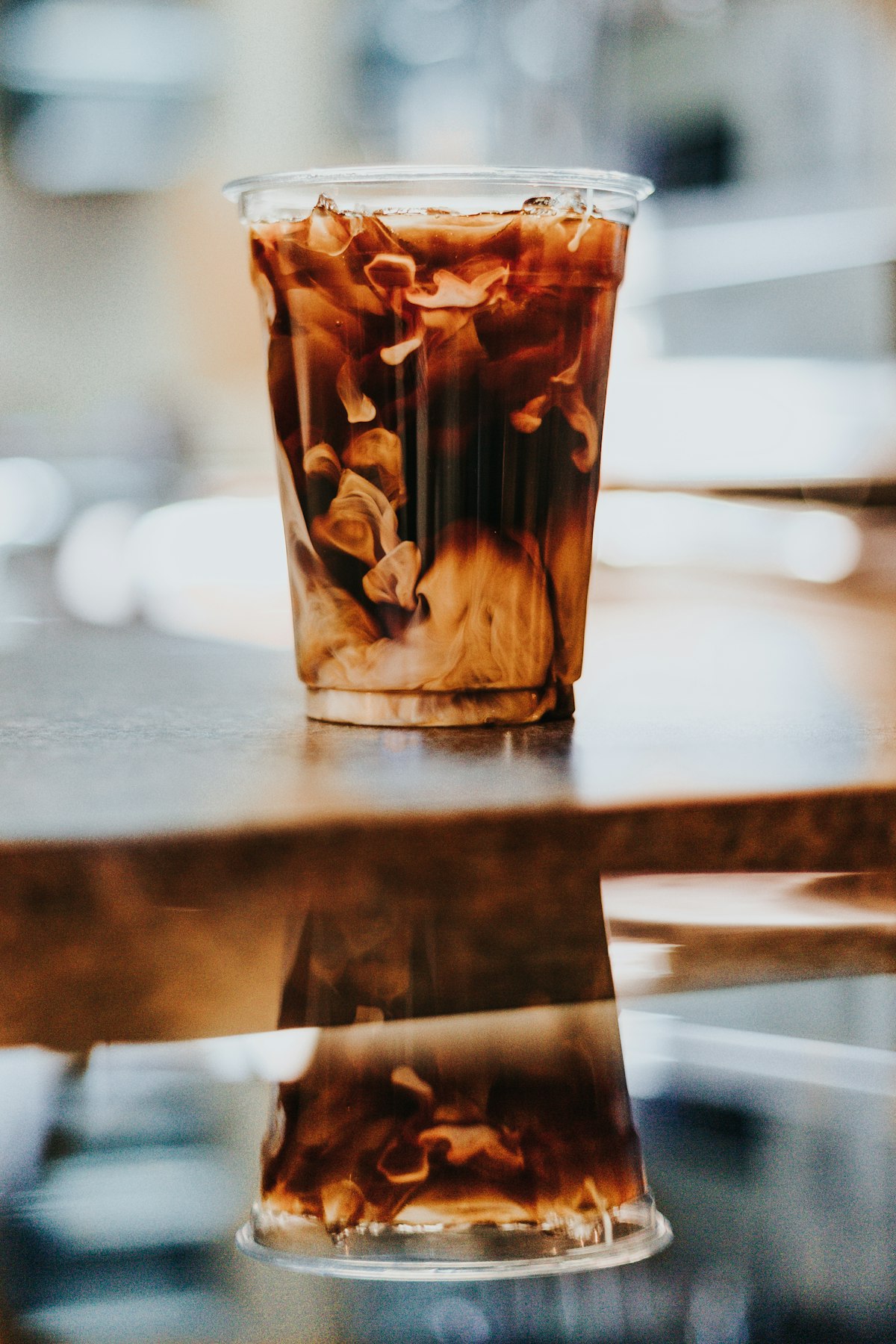
My local coffee shop sells a cold brew they describe, with some pride, as “dangerously smooth.” For two summers I treated that as a selling point and ordered the large at four in the afternoon, because it went down like iced tea and felt about as consequential. I fell asleep fine, which I took as proof of innocence. The 2 a.m. surfacing and the sandpaper mornings went on a different ledger, filed under stress season.
The cold brew vs hot coffee question is mostly a trick question. “caffeine doesn’t give energy, it hides the receipt,” and the receipt doesn’t check the temperature of the cup it arrives in. What actually decides whether your coffee follows you to bedtime is milligrams and the clock, and the full caffeine and sleep guide covers both in detail. This post runs the comparison you came for and then hands you the number that matters more than the answer.
Key takeaways
- Cold brew usually carries more caffeine per cup than hot coffee, because it’s brewed as a concentrate with a higher coffee-to-water ratio.
- Acidity affects your stomach, not your sleep. The liver clears caffeine the same way from any brew.
- The average half-life is five to six hours, so a late-afternoon cup of either kind is still working at 2 a.m.
- The variable that matters isn’t brew temperature, it’s the time of your last cup measured against your bedtime.
The content difference is real but smaller than it looks
Cold brew steeps coarsely ground beans in cold water for twelve to twenty-four hours, usually as a concentrate, and that long, strong extraction pulls out a lot of caffeine. Cut fifty-fifty with water or milk, a typical serving lands in the same neighborhood as a strong hot coffee. Served closer to straight, it can climb well past one, and shop-to-shop variation is enormous because there’s no standard recipe.
Hot coffee has the opposite reputation problem. People picture it as the milder option, but a large drip or a couple of espresso shots in an americano sits comfortably in the same two-hundred-milligram range as a diluted cold brew. The numbers that circulate online, “cold brew has double the caffeine,” describe undiluted concentrate, which is an ingredient, not a drink.
Iced tea deserves a footnote in the same conversation, because it reads as a benign summer drink “while delivering what a weak coffee delivers,” as the book puts it. If you’re counting, count everything cold with a leaf or a bean in it.
The half-life math that makes temperature irrelevant
Here’s the arithmetic that actually decides your night. The half-life of caffeine for a typical adult runs about five to six hours, and the Sleep Foundation notes the honest range is wide, from two to twelve hours depending on the person. Run the clock on a two-hundred-milligram cup, hot or cold, ordered at 4 p.m.: half is still on board at nine or ten, and a quarter, about fifty milligrams, is still circulating at 2 a.m. “fifty milligrams is not nothing, it’s a respectable cup of tea arriving at the exact hours your sleep is supposed to be at its deepest and quietest.”
The nasty part is that this happens even when you fall asleep without trouble. Caffeine can lighten and fragment sleep on nights you’d swear it did nothing, because “Falling asleep fast isn’t the test. Staying down in deep, unbroken sleep is the test.” That’s why the damage files itself under stress, or age, or a bad mattress, while the afternoon cup keeps a perfect alibi.
My own version of the alibi was the smooth cold brew and the fine sleep onset. The log disagreed, politely, with data. Two weeks of writing down the time of the last cup is free genetic testing for your liver, and it beats any quiz.
Why “smooth” and “less acidic” don’t help your sleep
Cold brew’s genuine advantages are about flavor and stomach comfort, and they’re real. The cold extraction pulls fewer of the acidic compounds, so many people with reflux-prone stomachs tolerate it better, and the flavor is rounder without milk or sugar doing the work.
But the sleep system has no acidity sensor. Your liver’s CYP1A2 enzyme clears caffeine at its own speed regardless of how the cup was brewed, and that speed is what sets your personal half-life. A gentle, velvety, low-acid cold brew is still a two-hundred-milligram loan. The smoothness just makes it easier to drink fast, which is how the large size happens.
There’s one unfair crossover to know: reflux itself can wake you at night, so if late coffee of any temperature gives you a scratchy throat or a sour taste at 1 a.m., the cup is charging you twice, once in milligrams and once in stomach. In that case the smoother brew is genuinely the kinder one, earlier in the day.
The rule that beats the comparison
The cutoff doesn’t count sources and doesn’t count temperatures. It counts hours. “Caffeine has a half-life, dinner has a deadline, and both of them are set by your bedtime,” which means the practical answer to cold brew vs hot coffee is: whichever one you want, at least eight hours before lights out, ten if your sleep is already thin.
For an eleven o’clock bedtime that puts the line around two or three in the afternoon, earlier if you turn in earlier. Morning cold brew and morning hot coffee are equally innocent. The 3 p.m. nitro with the label that promises “less acid, more caffeine” is the least innocent thing on the menu wearing the friendliest costume.
If you want to find your own line instead of borrowing mine, it’s one boring experiment: hold the cutoff at bedtime minus eight hours for two weeks, change nothing else, write down the time of the last cup every day. The first few days may carry a withdrawal headache. Three rough days buys the rest of your nights.
Frequently asked questions
Does cold brew have more caffeine than hot coffee?
Usually per cup, yes, because it’s brewed as a concentrate with a higher coffee-to-water ratio. Diluted, it lands near a strong hot coffee; served straight, it can go well past one. Shop recipes vary, which is why the timing rule beats the label.
Is cold brew easier on sleep because it’s less acidic?
No. Acidity is a stomach question. Your liver clears caffeine identically from any brew, so a smooth cold brew keeps you up exactly as effectively as a bitter hot one with the same milligrams.
How long does caffeine from either brew stay in my system?
Average half-life is five to six hours, with a wide honest range of two to twelve. A two-hundred-milligram cup at 4 p.m. leaves about a quarter of it in your blood at 2 a.m., whatever the temperature was.
So which should I drink if I sleep badly?
Either, earlier. Put the last caffeine of any kind at least eight hours before bedtime, ten if your sleep is already poor. Morning cups of both kinds are equally safe.
I fall asleep fine after afternoon coffee. Doesn’t that prove it doesn’t affect me?
Falling asleep fast isn’t the test. Caffeine can lighten and fragment sleep even on nights you drop off without trouble, and the damage shows up as 2 a.m. surfacing and groggy mornings instead.
The number on the clock
Drink the one you like. Just move it to the morning side of the line and the comparison stops mattering, because an early cold brew and an early hot coffee are both just coffee. The cutoff experiment and the rest of the timing system are in Sleep, Finally. My cold brew still exists. It happens before noon now, and the 2 a.m. ledger closed.
This guide is educational, not medical advice. Pregnancy roughly doubles caffeine’s half-life, and individual sensitivity varies widely; if you’re pregnant or sleep remains broken despite an honest cutoff, talk to your doctor.