Exercise, Naps & Sleep
Do 10K Steps Really Matter for Sleep Quality
By Nora Vale · April 21, 2025 · 7 min read
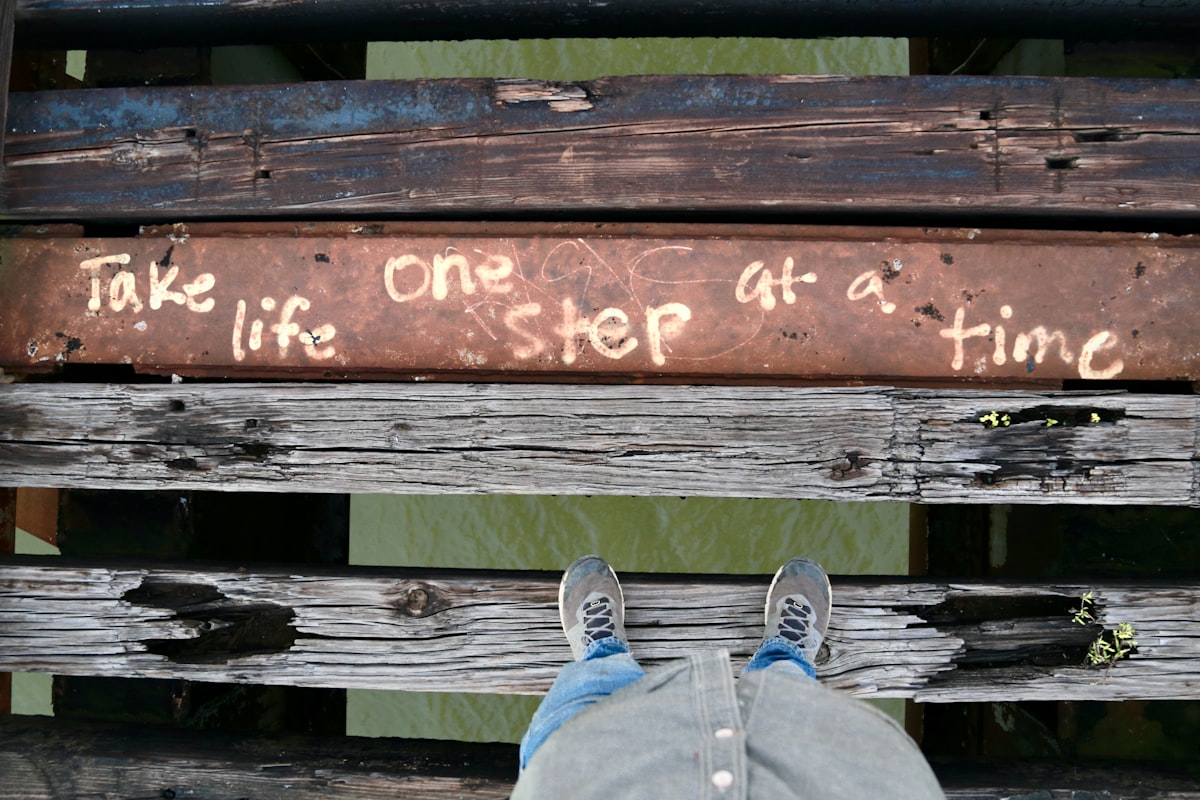
My step counter once told me I had hit 9,800 steps on a day I slept terribly, and it had the smugness of a machine that thought it had caught me in a lie. I had walked, technically. Two airports, one conference center, a lap I took because the parking garage was full. I went to bed that night the way you go to bed after sitting for eleven hours: wired, buzzing, and wide awake by two. That was the night I stopped trusting the number and started asking the question underneath it, which is the one this post is actually about. The 10k steps sleep question is not really about ten thousand of anything.
The honest answer starts with a mechanism, not a target, and the full context lives in my exercise and sleep guide. Sleep runs on sleep pressure, the drowsy fuel that builds every hour you’re awake and builds faster when your body actually moves. A step count is just one way of asking whether the tank got filled. Sometimes it was. Sometimes it wasn’t.
Key takeaways
- Sleep is paid for with sleep pressure, which builds while you’re awake and builds faster when your body moves.
- A day of low steps can still be a day of no movement, and a body that spent nothing by evening has nothing to pay sleep with.
- The real dividing line in the research is between moving and not moving, not between 8,000 steps and 10,000.
- Thirty to forty minutes of walking most days is the honest dose, and ten minutes is the minimum.
- Judge the habit at two weeks with a log, not at night one with a step counter.
Why the 10k steps sleep target measures the wrong thing
The ten-thousand number came from a Japanese pedometer campaign in the 1960s, not from a sleep lab, and it stuck because round numbers are easy to remember and easy to fail at. Here’s the problem with counting steps as a sleep strategy. A long day of slow ambling registers beautifully on the counter while barely raising your breathing, and a short brisk walk the next day registers worse while doing more for the tank your night drains. The counter can’t tell the difference between a day on your feet at a museum and a day hauling groceries up three flights.
What actually moves sleep is movement, and the research on this is more consistent than almost anything else in the field. The National Sleep Foundation’s Sleep in America surveys found vigorous exercisers about twice as likely to say they rarely or never had trouble sleeping. That’s the headline. The fine print matters more for most of us: light activity also beat sitting still, and moderate activity closed most of the remaining gap. The line isn’t between casual walkers and athletes. It’s between moving and not moving.
Johns Hopkins Medicine puts a number on the moderate end, and it’s the one I keep repeating: even thirty minutes of aerobic movement, which is a brisk walk’s definition exactly, improves how you sleep that same night. Not after twelve weeks. That night.
The tired that doesn’t pay for sleep
I spent my worst sleep year hitting respectable step counts, and I know now why the nights never improved. The tired I was producing was the wrong kind. There are two, and your night can tell them apart even when your day didn’t. One is a worked muscle, spent and ready for repair. The other is a drained battery, standby tired, the kind that lies there buzzing while the ceiling gets inspected for flaws it never finds. The book I built this method from called it being “exhausted like a drained battery rather than a worked muscle,” and the distinction sounds fussy until you’ve lived both in the same week.
The mechanism underneath is the pressure tank again. “A body that spent nothing by evening has nothing to pay sleep with,” and a day of meetings, cars, and couches spends nothing no matter what the counter says. Movement raises the fill rate. Sitting all day throttles it, and no retrospective step count changes what the body actually did with its hours.
This is why the answer to the question in the title is both yes and no. Steps matter insofar as they represent real movement. They don’t matter as a number you can game, and the body, unfortunately, reads the truth.
What the research actually says about movement and sleep
The findings here deserve their own minute, because they’re kinder than most fitness content admits. “People who move at all sleep better than people who don’t, and the jump from nothing to something is the biggest jump available.” Read that twice, because it rearranges the whole question. If your baseline is a chair with occasional intervals, you don’t need ten thousand of anything. You need the jump.
The surveys back the shape of it. Vigorous exercisers slept best, but “None of it looks like exercise. All of it is movement, and your sleep doesn’t check your outfit.” Stairs count. Groceries from the far end of the lot count. Yard work on a Saturday overcounts, if my lower back is a credible witness. The counter treats all of it as one gray number. Your sleep doesn’t, because your sleep responds to what the body did, not to what the wrist recorded.
So the honest version of the question becomes this: did the day include thirty to forty minutes of movement that raised your breathing, most of it whenever your life allows? If yes, you’ve bought the finding. If no, ten thousand slow steps is a consolation prize with a nice screen on it.
The dose that actually helps, without the counter
Here’s the program I use, and it fits on an index card rather than a dashboard.
- Thirty to forty minutes of real movement most days. A brisk walk qualifies, split into two shorter walks if the day won’t hand you a single block. Ten minutes is the honest minimum when life tangles the schedule.
- Attach it to an anchor, not to a streak. The walk after dinner survives because dinner happens every day. “Motivation is a terrible scheduler. Anchors work.”
- Judge it at two weeks with a log. Bedtime, wake-ups, done. The research finds sleep improvements within the first weeks of a new routine, so two nights is a verdict on your impatience.
- Let the counter be a thermometer, not a goal. It can confirm that the week happened. It can’t manufacture the tank.
“Your sleep responds to the doing, not the finishing.” That sentence has saved me from more pointless evening hikes than I can count, including the ones I took at ten at night to rescue a bad step count.
What it looked like for Dave, and the honest limits
Dave is a data analyst whose body lived folded into a chair, and his afternoons had a shape he could set a watch by: around two forty, his eyes went to sandpaper. A colleague dared him into a twenty-minute lunchtime walk around the parking lot’s most boring loop, phone left on the desk. The second week the wall softened into a slope. The third week the walk went automatic, and the part he didn’t expect was the night: same bedtime, same everything else, but he slept harder on the days he’d walked. Nobody mentioned steps once.
Two limits, because a post without them smells like an ad. Walking is a foundation, not a cure, and it won’t carry the anxious nights on its own; those need the other tools on this site alongside the movement. And more is not endlessly better, because chronic overtraining can push sleep the wrong way, so the dose that helps is the dose a normal week can carry. If your step obsession starts costing sleep to serve itself, the obsession became the problem.
The most effective sleep tool I own costs nothing and fits no box. “Better nights aren’t a purchase. A twenty-minute walk is a sleep supplement that costs nothing.” Take the counter off the pedestal this week. Keep the walk.
Frequently asked questions
Do I need 10,000 steps a day for better sleep?
No, and the number was a marketing round figure long before it was a health one. The research line that matters is between moving and not moving. Light activity beat sitting still in the National Sleep Foundation surveys, and thirty minutes of moderate movement improves sleep that same night.
How many steps help sleep if 10,000 is a myth?
Thirty to forty minutes of walking most days is the honest dose, ten minutes on the tangled days. Two shorter walks count the same as one long one. The habit you keep beats the number that looks optimal on paper.
Why do I feel exhausted but sleep badly on sedentary days?
Because the tired is battery-shaped, not muscle-shaped. A day of sitting produces drained rather than spent, and lying down with a full tank of awake and an empty tank of spent produces exactly the restless night you’d predict. Movement manufactures the debt your night is waiting on.
Does step intensity matter for sleep?
Less than the marketing suggests. Vigorous exercisers slept best in the surveys, but light activity also beat sitting still and moderate movement closed most of the gap. A brisk walk is the moderate definition exactly, and it’s the version I’d bet on.
How long until walking changes my sleep?
First changes around week two, fuller effect after a month of repetition. Log bedtime and wake-ups so the comparison is week against week, because night against night hides a change this gradual. Judging after two nights measures impatience, not the method.
This guide is educational, not medical advice. If sleep problems persist most nights for three months or more, a doctor is the right door.