Morning Light & Sleep
Do Sunrise Alarm Clocks Actually Work?
By Nora Vale · March 22, 2025 · 7 min read
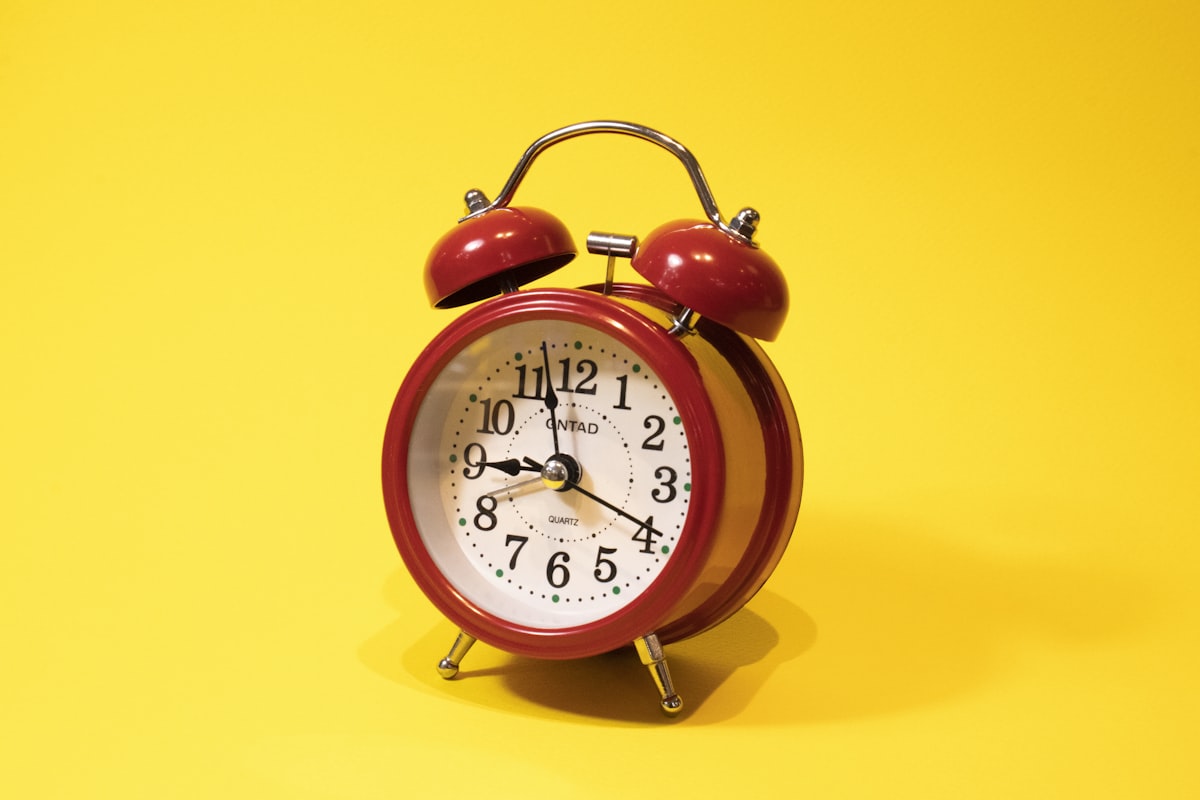
The first morning I used one, I woke up furious, because the room had been getting brighter for half an hour and some traitor part of my brain had signed off on it without consulting me. That, it turns out, is the product working. The question of whether sunrise alarm clocks actually work has a more boring and more interesting answer than the marketing suggests, and it starts with what the gradual light is actually for.
The honest framing: it’s a gentler alarm and a small light signal, not a body-clock repair kit. The full repair still happens outside, within an hour of waking, and the whole system is laid out in my guide to morning light and sleep.
Key takeaways
- Sunrise alarms ease you toward lighter sleep before the sound arrives, which is why waking feels less like an ambush.
- They work best for people who hate jarring wake-ups and worst for heavy sleepers who sleep through the dawn phase entirely.
- The light dose they deliver is tiny next to the outdoor standard, so they supplement the morning routine, never replace it.
- Timing still rules: a dawn simulation supports a steady wake time, and no steady wake time means no gadget can save the morning.
- The free version is ten minutes outside with your coffee, and it outranks anything on this shelf.
What the gradual light actually does
Your clock reads light through your eyes, and daylight through your eyes is the strongest reset signal it gets. That’s the machinery a dawn clock borrows. Instead of dragging you from deep sleep straight into a blaring noise, it brightens over a set window, often 15 to 45 minutes, and the rising light nudges your sleep lighter as it goes, so when the tone finally arrives you’re near the surface instead of at the bottom of the pool.
There’s a second, quieter mechanism: the light itself is a signal. Researchers call daylight-type signals time-givers, and the asymmetry that runs the whole system is simple. Morning light pulls the clock’s schedule earlier. Evening light pushes it later. A dawn clock is a small, artificial tug in the earlier direction, delivered at the exact hour you’d like your clock to learn.
What it isn’t is a dose. A bedroom light ramping to a few hundred lux is working in the same building as the 2022 international consensus target of at least 250 lux of daylight-quality light across the day, but the outdoor numbers make the scale plain: an overcast day starts around 1,000 lux, and full sun runs 50,000 to 100,000. The grayest January sky is still ten to a hundred times brighter than your kitchen with every bulb burning, and your kitchen is brighter than the dawn simulation.
Where it genuinely helps
The strongest case is wake-up quality. People who describe being startled awake, heart pounding, convinced the alarm is a fire drill, tend to do better with a gradual dawn, because the transition into waking happened over half an hour instead of one second. The alarm stops being an attack and becomes a formality.
The second case is winter. If you wake in the dark for months of the year, your mornings currently begin with zero light signal, and a dawn clock at least puts something on the scoreboard. It’s the same logic as bright lamps on waking: bright indoor light isn’t the real thing, it beats nothing, and nothing is what most houses serve at 6:40 in December.
The third case is habit architecture. The book’s recipe staples the morning dose to something you already do at the same time every day, and a dawn alarm becomes part of that scaffold, a fixed point the rest of the routine can hang on. Coffee on the porch within ten minutes of waking still does the heavy lifting. The dawn just gets you to the porch less resentful.
Where it disappoints
Heavy sleepers, first. If you can sleep through the brightening phase, the light does its work on an empty room, and you get an ordinary alarm with extra steps and a higher price. Some units let you pair the dawn with gradually rising sound for exactly this reason, which is worth checking before buying.
Shared bedrooms and staggered schedules, second. A brightening room wakes whoever is in it, so a partner who sleeps later than you gets your dawn whether they ordered it or not. Night-shift workers sleeping in daylight hours have the same problem in reverse, since the gadget is built around the assumption that dawn comes before the alarm.
And the expectation problem, third, which I know from the inside. A sunrise alarm will not fix trouble falling asleep. Sleep onset belongs to the melatonin rise, which starts about two hours before your usual bedtime and is set by the morning light and evening dimness you fed the clock that day. A gadget at the wake-up end can’t pay for a dark-starved evening, and people who buy dawn clocks expecting 10:40 lights-out are buying the wrong half of the day.
The honest limits
The limit the box never prints: the gadget’s light is a nudge, and the schedule is set elsewhere. A clock that never registered the morning will argue with every good decision you make after it, and the argument is settled by real daylight, ideally within the first waking hour, not by a bedside lamp at 6:55.
There’s also the trial logic to respect. Give any new light habit a fair two weeks before judging it, and watch a log rather than your memory, because nothing dramatic happens on Tuesday and the change, when it comes, announces itself quietly. If two weeks of dawn simulation plus an outdoor dose move nothing in how you fall asleep or how mornings feel, the verdict may simply be that light timing wasn’t your thief, and that’s a legitimate result.
Finally, the medical note without hedging: significant winter lows, trouble sleeping most nights for months, or eye conditions that make bright light a question all belong with a doctor, not with a checkout page. The dawn clock is a comfort upgrade and a small signal. It isn’t a treatment plan.
Frequently asked questions
Do sunrise alarm clocks actually work?
As gentler alarms and small morning light signals, yes, and many people wake more calmly with them. As body-clock repair, no, because the light dose is tiny compared with real outdoor daylight, and the schedule is set by the full day’s light pattern, not by one bedside ramp.
How does a sunrise alarm clock work?
It brightens over a set window, usually 15 to 45 minutes before your alarm, easing your sleep lighter so the tone arrives near the surface. The light reaches your eyes in the final stretch of sleep and acts as a small time-giver signal at the hour you want your clock to learn.
Will a sunrise alarm fix my trouble falling asleep?
Not on its own. Falling asleep is governed by the melatonin rise that starts a couple of hours before bed, and that rise is fed by morning light and evening dimness. The dawn clock supports the morning end, and the evening end stays your job.
Is a sunrise alarm better than a regular alarm?
For people who hate jarring wake-ups, generally yes, and it adds a light signal a phone alarm lacks. For heavy sleepers, partners with later schedules, and shift workers sleeping through mornings, an ordinary alarm plus a separate light routine serves better.
Who should skip a sunrise alarm clock?
Anyone who sleeps through gradual light, shares a bed with a later riser, or sleeps during daylight hours. In those cases the dawn wakes the wrong person or nobody, and the money is better spent on nothing at all, since the outdoor version is free.
Before deciding, read the economics in are sunrise alarm clocks worth it, the phone problem in why the phone makes a poor alarm clock, and the phone-free alternatives in best alarm clocks for a phone-free bedroom. The habit they support is how to build a morning light habit that sticks, and the full chapter behind it is in Sleep, Finally.
This guide is educational, not medical advice. If sleep problems persist most nights for three months or more, a doctor is the right door.
If you buy one, buy it as a kindness, not a cure. The cure is still standing on the porch tomorrow morning, coffee in hand, letting the actual sky argue with your clock on your behalf.