Social Jet Lag & Weekends
Do Sunrise Alarm Clocks Really Help Mornings
By Nora Vale · March 20, 2026 · 7 min read
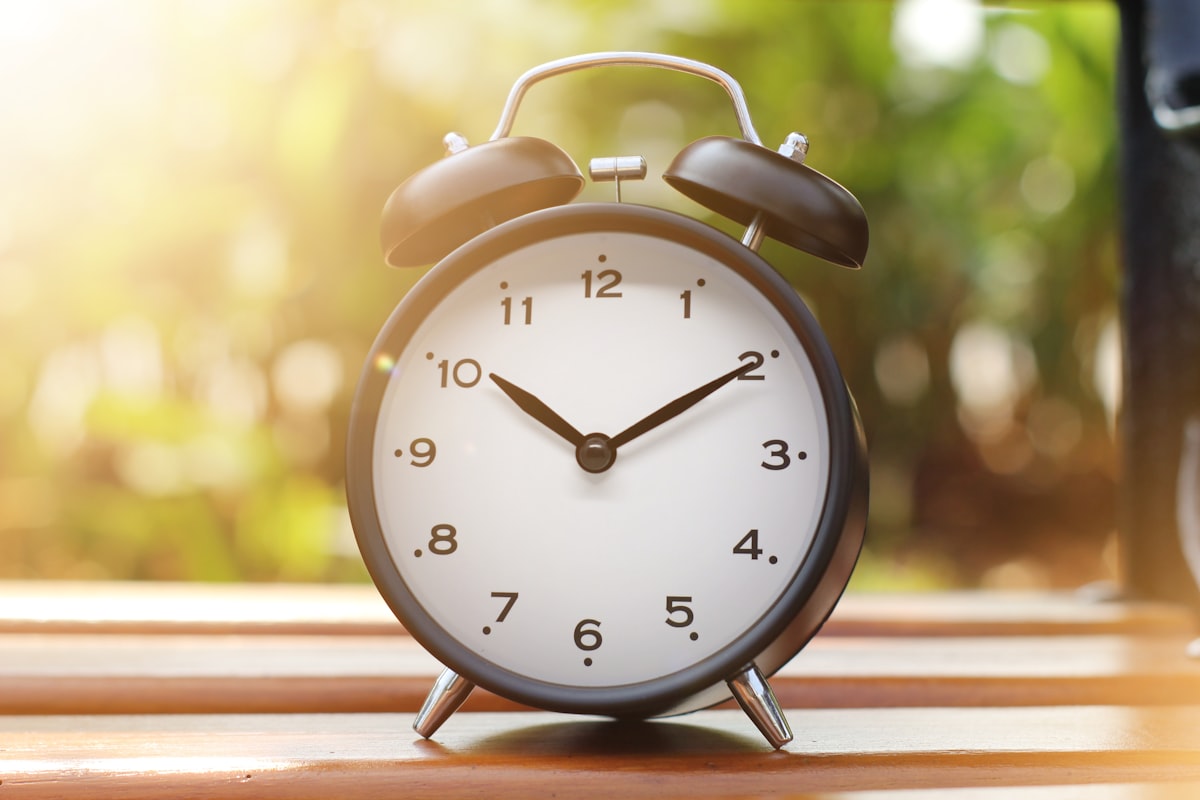
I bought my first sunrise alarm out of spite for the jackhammer noise my phone made at 6:30, and I expected a gadget review to end in a drawer. It stayed, and I’ve since bought three more as gifts, which makes me either an enthusiast or a cautionary tale. Do sunrise alarm clocks really work is a fair question with a two-part answer: they do something real, and they do less than the box implies. The clock they’re negotiating with is mapped in the social jet lag guide.
Key takeaways
- Real benefit: a gentler physiological wake-up and a light cue ending at wake time.
- Modest benefit: bedside dawn is far weaker than outdoor daylight as a clock signal.
- Best fit: dark-winter waking, early shifts, windowless rooms, alarm-averse sleepers.
- The dawn eases waking; it doesn’t fix weekend drift or replace morning daylight.
- Heavy sleepers need a sound backup regardless of how pretty the dawn is.
What the gradual light actually does
The mechanism is real, and it’s gentler than the marketing usually explains. In the last stretch of sleep, a sunrise alarm ramps light from near-dark to a daytime-ish brightness over thirty to forty-five minutes. That ramp reaches your retinas through your eyelids and does two things. It nudges the clock with an early light signal, the same signal family as outdoor dawn, and it starts shifting sleep architecture toward lighter stages as the appointed hour approaches, which is why waking at the end of a dawn program feels less like being fired than like arriving.
The physiological difference is measurable: waking from light sleep into gradually brightening light produces less of the groggy shock, less of the blood-pressure spike, less of the heart-pounding alarm jolt. People who describe their sunrise alarm as “changed my mornings” are usually describing this, accurately. Waking badly is a genuine cost, and the dawn amortizes it.
What it can’t do, said plainly
Now the honest ledger, because this is where the listings get generous. First intensity: a bedside dawn is a fraction of outdoor morning light, and even a fraction of an overcast sky outperforms most bedrooms. As a clock-setting signal, the sunrise alarm is a nudge, not a reset. If you can get outdoors after waking, the outdoor ten minutes does more for your body clock than the device on your nightstand, and the device doesn’t argue.
Second, and this is the limit that matters most: no alarm of any kind fixes a drifted clock. If your Mondays hurt because your weekends wandered three hours later, the sunrise alarm makes the landing softer and the drift intact. It’s a comfort layer over the actual problem, which lives in why sleeping in on weekends makes mondays worse and gets solved in should you set an alarm on weekends. Buy it for how waking feels, not as a Monday repair.
Who benefits most
The shortlist, by how much the dawn earns its shelf space. Dark-winter wakers, whose alarm goes off before any sunrise exists, get the most: the simulated dawn is their only morning light, and the gentler waking is a daily dividend for months. Early-shift workers are the same case with different hours. People in windowless bedrooms, basement units, apartment canyons where the sun arrives late, all get a real light cue they otherwise wouldn’t.
Alarm-averse sleepers, the ones who describe waking to sound as a small violence, are the group most likely to call it life-changing, and I say that as a member. The dawn replaces the jolt with a slope, and for a particular nervous system that’s not a luxury. On the other end: morning people who wake naturally before alarms, and anyone with blackout curtains who sleeps through light entirely, should calibrate expectations downward. For heavy sleepers the dawn is a pleasant on-ramp with a sound backup, and there’s no shame in that arrangement. Are sunrise alarm clocks worth it runs the cost-benefit in more detail, and alarm clocks without blue light: what to look for covers the feature checklist.
How to actually use one
The settings matter more than the model. Set the dawn to finish at your wake time, not after it, because the light that arrives post-wake is scenery, not signal. Thirty to forty-five minutes of ramp is the useful range; fifteen is a flash. Put the unit where the light reaches your face from where you actually sleep, which for most people means across the room or on the far nightstand, not buried at headboard level behind a book.
Then the pairing, which is where the honest value lives: the dawn works best attached to a consistent wake time, because a light cue arriving at the same hour daily trains the clock in a way a drifting one can’t. Sunrise alarm plus anchor wake time is a genuine system. Sunrise alarm plus weekends that wander is a nice lamp with a schedule problem. And the feature that matters most in practice, after the dawn itself: a sunset mode for evenings, which dims gradually and does for your wind-down what the dawn does for waking, a two-for-one that most reviewers skip.
Frequently asked questions
Do sunrise alarm clocks really work?
Yes, at two things: a gentler physiological wake-up, because gradual light eases you into lighter sleep stages before the alarm, and a modest light cue ending at wake time. They don’t replicate outdoor daylight’s intensity and they don’t fix a drifted clock, so calibrate the benefit to waking comfort rather than clock repair.
How does a sunrise alarm differ from a light therapy lamp?
The alarm delivers low-intensity light over a ramp ending at wake time, easing the transition out of sleep. The lamp delivers 10,000 lux in a post-wake session, which does more clock-setting work. They’re complements: the alarm for how waking feels, the lamp for the signal your dark morning otherwise misses.
Who benefits most from a sunrise alarm?
Anyone whose alarm goes off in the dark: winter mornings, early shifts, windowless rooms. Heavy alarm-averse sleepers get the biggest felt difference, because the slope replaces the jolt. Morning people who wake before alarms, and blackout-curtain sleepers who snooze through light, benefit least.
Do sunrise alarms work if I sleep through them?
Sometimes, depending on how you sleep. If you sleep through anything short of a fire alarm, keep a sound backup and treat the dawn as the on-ramp rather than the trigger. Consistency of wake time matters more than the elegance of the method, and there’s no virtue in missing the window for aesthetics.
What’s the honest limitation of sunrise alarms?
They soften waking without touching its causes. A drifted body clock, weekend drift, insufficient sleep, apnea, none of those respond to a bedside dawn. And no bedside light matches outdoor daylight as a clock signal, so the device complements the morning walk rather than replacing it.
The dawn, the drift, and the anchor are one chapter of Sleep, Finally. Set the ramp to finish when you wake, and let the slope do what the jackhammer couldn’t.
This guide is educational, not medical advice. Talk to a healthcare provider about persistent sleep problems.