Wind-Down Routines
Does Late-Night Snacking Affect Your Wind-Down?
By Nora Vale · August 22, 2025 · 6 min read
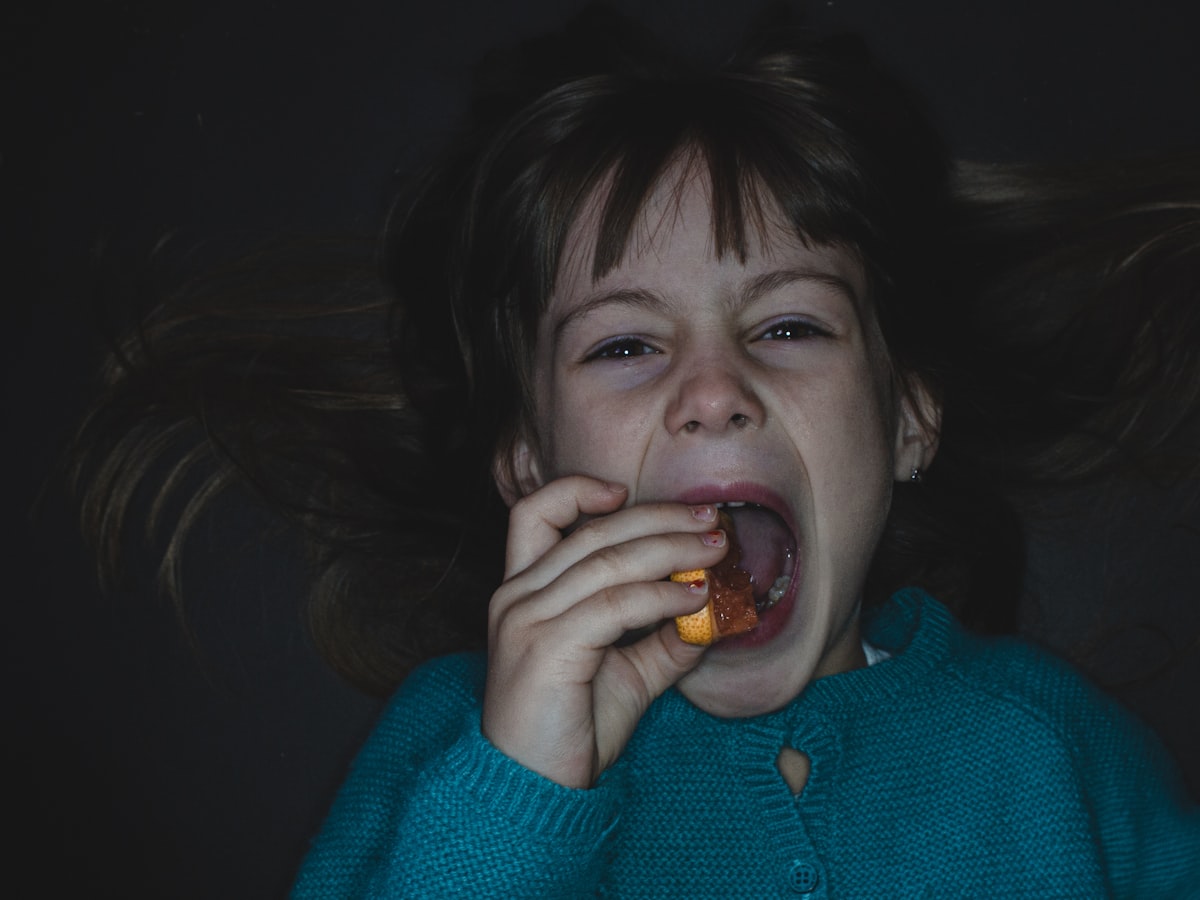
Jo manages a restaurant, which means she spends the evening feeding sixty people and then eats her own dinner, the staff meal, standing at the pass around 10:30, whatever the kitchen made too much of. She’d get home near midnight, lie down while still full, and wake around 1:30 with a throat like a lit match. She assumed it was something she ate. It was when she ate it.
Her case is the late-night snack question in its loudest form, and the answer has three parts: a deadline, a caffeine smuggler, and a temperature problem. All three land directly on your wind-down, which is why a snack at 10 can undo an evening that was otherwise built perfectly. The full template it interferes with lives in the wind-down routine guide.
Key takeaways
- Large meals need about three hours before bed; a snack needs less, but everything you eat late pays rent on some schedule.
- Reflux is a top hidden cause of 2 a.m. wakings, and it doesn’t always feel like burning.
- Chocolate is a double agent: caffeine plus a valve-relaxer. Count it toward your cutoff, not against your willpower.
The deadline rule, sized honestly
Food runs on a simple rule of thumb: finish large meals about three hours before bed. Lie down with a full stomach and you’ve parked active digestion in a horizontal position, and the result, for a great many adults, is reflux, which has to be one of the most under-recognized causes of night wakings around, because the burn you slept through still opened your eyes, and you never connected the two events. You blamed the 3 a.m. instead. The stomach set the alarm.
Now the honest scale, because a snack is not a staff meal. The three-hour rule is for large meals; a few crackers at nine in front of a ten-thirty bedtime is a different animal. The pattern matters, not the exception. If dinner routinely lands at nine because of work or kids, and you’re asleep by eleven, the window is already broken on a schedule, and the fix isn’t a smaller dinner. It’s an earlier one.
What snacking does sabotage is the sequence. A wind-down works by conditioning, the same steps in the same order until your body reads them like a sentence it knows. A kitchen that’s still open at ten, with you standing in it under bright light chewing, reads as daytime to every system you spent the last hour dimming. The snack costs less in calories than it costs in signal.
Reflux: the 1:30 alarm nobody books
The reflux story deserves its own minute, because it so rarely gets identified at the scene. Stomach acid meeting the esophagus at 1 a.m. doesn’t always feel like burning. Sometimes it’s a cough, a sour taste, a scratchy throat you blame on the air conditioning, or a sudden full waking with your heart thudding for no reason you can name. People spend years treating the symptoms at the wrong end of the problem.
If you wake at night with any of that, dinner time is a legitimate suspect, and testing it costs nothing. Move the meal, watch three nights. The evidence usually speaks for itself. Jo’s fix is the template: she moved the main meal to 5, before service, eaten sitting down like a person, and the 10:30 staff meal shrank from dinner to a plate, some bread, a taste of whatever was going out to the tables. The 1:30 matches stopped coming. She changed which meal carries the day, five and a half hours earlier, and gave up nothing she loved about kitchen culture.
The usual suspects for the acid itself: spicy food, anything acidic like tomato sauce or citrus, and fried or fatty meals, which slow the stomach down for hours. Plus two genuinely unfair entries: chocolate and mint, both of which relax the valve at the top of the stomach and let acid wander uphill while you sleep. Yes, chocolate appears in this ledger twice. It’s a double agent.
The caffeine hiding in your snack drawer
Late-night snacking has a second door, and it’s the one the label hides. That “harmless” evening plate usually carries chemistry: a cup of brewed tea runs 40 to 120 milligrams of caffeine, a bar of dark chocolate somewhere between 25 and 70, milk chocolate nearer 10, and iced tea reads as a benign summer drink while delivering what a weak coffee delivers. Run a quick audit on a normal Tuesday and the arithmetic gets uncomfortable fast: a square or three of dark chocolate around 9 because it feels almost virtuous, decaf after dinner because it’s basically nothing. The total for an evening you’d call caffeine-free lands somewhere between 50 and 100 milligrams, swallowed in installments after your cutoff.
The cutoff doesn’t count sources. It counts milligrams. So when you snack, count the chocolate the way you’d count a weak coffee, because it can lighten and fragment your sleep even on the nights you fall asleep without any trouble at all, and falling asleep fast isn’t the test. Staying down in deep, unbroken sleep is the test. The full smuggler list is in hidden sources of caffeine, and the chocolate file specifically is in chocolate and sleep.
There’s a stacking effect worth naming too: a late dinner and a couple of drinks hit you twice, because a big meal relaxes the valve that keeps acid down while alcohol relaxes the throat muscles and fragments the night on its own separate schedule. Food doesn’t rescue the drink. It only slows the pour.
What late eating does to the temperature drop
The third door is quieter. To fall asleep, your core temperature needs to drop, and that falling signal is part of what tells the brain the night has actually begun. Digesting a big late snack works against the drop: active metabolism generates heat, a full stomach keeps blood routed toward the middle, and the body you’re trying to cool stays busy. This is also why the after-dinner walk earns its keep, since it blunts the reflux pressure a full stomach builds when you lie down while spending the day’s leftover restlessness.
If the schedule forces a late meal, shrink it rather than rescuing it: smaller, less fatty, less spicy, and stay upright after it. Spicy and acidic dinners can audition again once you know what they do to your nights. And drink your water earlier in the day, so the bladder isn’t the one who wakes you at one, which is a different thief wearing the same hour.
One placement note for the whole habit: the snack belongs in the kitchen, before the wind-down starts, not in the bed. Every loop you close at nine-thirty, including the kitchen’s, is a loop your sleeping brain doesn’t have to hold open. The best time to stop eating before bed sets the general window, eating late at night and sleep covers the meal version in depth, and the full evening template, kitchen closing included, is laid out in Quiet Core Reset.
Frequently asked questions
Does late night snacking affect sleep?
It can, through three doors: reflux from a full stomach lying down, hidden caffeine in chocolate and some teas, and the core temperature drop your body needs getting blunted by active digestion. A small, neutral snack hours before bed is a minor risk. A big one at lights-out writes itself into your night.
How long before bed should I stop eating?
Finish large meals about three hours before bed. Snacks need less runway, but the closer they land to bedtime, the more likely they show up as reflux, heart thudding, or a 2 a.m. surfacing you can’t explain. If late eating is a schedule, not an exception, move the main meal earlier instead of shrinking it forever.
Why do I wake up at 2 a.m. after a late snack?
Reflux is the leading suspect. Stomach acid doesn’t always announce itself as burning; it can be a cough, a sour taste, a scratchy throat, or a sudden full waking with your heart pounding. Test it for three nights by moving the meal, because the evidence usually speaks for itself.
Which late-night snacks are the worst for sleep?
Spicy and acidic foods, fried and fatty meals, chocolate, and mint. The last two relax the valve at the top of the stomach, and chocolate adds caffeine on top, which makes it the only snack on the list that sabotages your night twice.
What can I eat late without wrecking the night?
Keep it small and neutral, eat it in the kitchen before the wind-down starts, and stay upright after. Count any chocolate or iced tea toward your caffeine cutoff. The snack itself matters less than the hour, the posture, and the light you stand in while you eat it.
This guide is educational, not medical advice. Persistent reflux or sleep trouble belongs with a doctor, not just an earlier dinner.