Caffeine & Sleep
Energy Drinks vs Coffee: Which Hurts Sleep More
By Nora Vale · April 7, 2025 · 7 min read
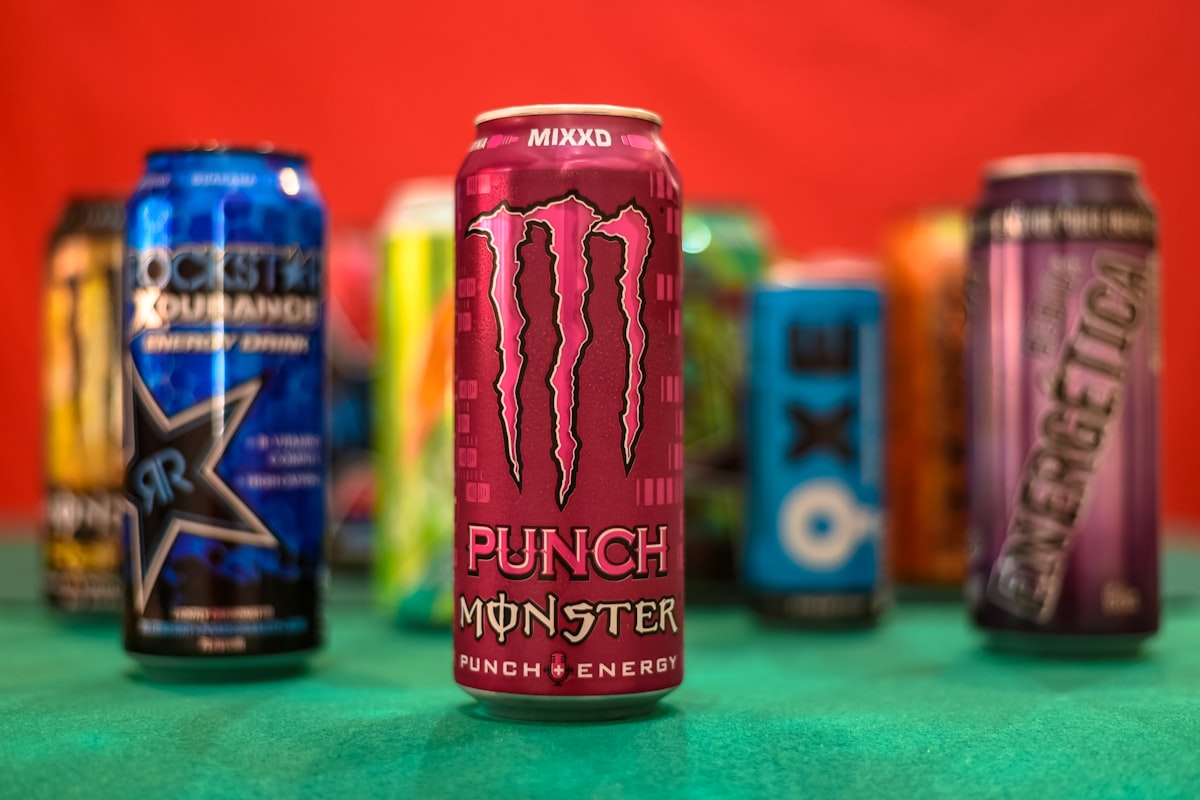
The can promised wings and delivered a 2 a.m. ceiling inspection instead, and I spent a year blaming everything except the neon cylinder I’d finished at four in the afternoon. I drink coffee every day and I’m not here to confiscate anyone’s can, but the honest comparison between energy drinks and coffee comes down to one unglamorous fact: your liver has never once looked at a label. The full timing system this fits into lives in the caffeine and sleep guide, which covers coffee, cans, dinner, and everything else on the night’s tab.
Key takeaways
- Per milligram, energy drinks and coffee affect sleep identically, because the body doesn’t read branding.
- The real difference is serving size: a can runs 50 to 300 milligrams, and big cans make doubling a sensible daily total easy without noticing.
- Caffeine has a half-life of roughly five to six hours in a typical adult, so a 4 p.m. can still holds a quarter of its dose at 2 a.m.
- The same cutoff applies to both: bedtime minus eight hours, ten if your sleep is already thin.
- If energy drinks moved earlier changed nothing after two honest weeks, the can wasn’t your thief, and that’s a result too.
The can doesn’t get an exemption
The book I keep coming back to puts it better than any chart I’ve made. Energy drinks sit in their own category, mostly because of serving size, since a single can runs anywhere from 50 to 300 milligrams and the big cans make it easy to double the sensible daily total without noticing, at hours when the fine print never mentions sleep. The timing rule is the same as for coffee, because the body doesn’t read branding. The can doesn’t get an exemption. Anything after your cutoff goes on tonight’s tab regardless of what the design of the label promises.
Run the same clock over both drinks and the comparison collapses into arithmetic. Caffeine’s half-life for a typical adult runs about five to six hours, per the Sleep Foundation, which notes the honest range stretches from two to twelve depending on the person. A two-hundred-milligram large coffee ordered at 4 p.m. still has about fifty milligrams circulating at 2 a.m., arriving at exactly the hours your sleep is supposed to be at its deepest. A three-hundred-milligram can finished at 4 p.m. leaves seventy-five. Same math, different container, and nobody at the checkout mentions it.
Where the can actually differs from the cup
Serving size is the first honest difference, and it works in both directions. The small cans are weaker than a cup of coffee, which surprises people who fear the category on principle. The big cans are the problem, because they’re engineered to disappear like a soft drink while carrying more caffeine than two cups, and you drink them cold and fast, which means the whole dose lands at once instead of across a leisurely half hour of sipping.
The second difference is context, and it’s less flattering to the can. Coffee mostly gets drunk at desks and kitchen tables, in the morning, by people who know what it is. Energy drinks get drunk at gas stations at 3 p.m., before night shifts, during exam weeks, mixed into who-knows-what, by people who are often already tired, which is the exact state where a late dose does the most damage. The drink itself isn’t worse. The hours it tends to keep are.
The third difference is the fine print, and here I’ll give the category its due along with its warning. Some cans carry more caffeine than the label’s serving suggests, because a serving is sometimes less than the whole can, and reading the milligram line matters more than reading the flavor name. That habit of checking totals is worth keeping for everything in the caffeine cabinet, though, since a cup of brewed tea runs 40 to 120 milligrams and some pain relievers carry 65, so the can is one entry on a list of things that don’t advertise what they’re doing to your midnight.
The half-life math, once, in plain words
The comparison everyone actually wants answered is which drink wrecks the night more, and the answer is the later one, whichever container it arrived in. The book’s line on this has stayed with me for years: “Early coffee behaves. Late coffee loiters.” The same sentence works with “can” swapped in. Caffeine can fragment your sleep even on nights you fall asleep without trouble, which is exactly why the person lying awake at 2 a.m. never suspects the 4 p.m. drink, because as far as they can tell the stuff has never interfered with anything. Falling asleep fast isn’t the test. Staying down in deep, unbroken sleep is the test.
And the debt compounds in the same way for both drinks. Deep sleep is when the brain clears the day’s adenosine backlog, a caffeinated night spends hours in the shallow end without clearing much of it, and you wake up with the bill mostly unpaid and reach for the next morning’s cup or can before you’re out of bed. The loan rolls over. The book’s Thursday line applies to cans as cleanly as to cups: “By Thursday you’re not drinking coffee, you’re servicing debt.”
The one experiment that settles it for you
Forget the comparison chart and run the boring experiment instead. Bedtime minus eight hours is the starting line for your last caffeine of any kind, ten hours if your sleep is already threadbare, and you hold that line every day for two weeks while changing nothing else. Write down the time of your last dose each day, because memory fudges that number in the drink’s favor, and log how your nights look without ever deciding in advance what you’ll find.
One fairness note before you start: withdrawal is real, with headaches and a mood like wet cardboard typically lasting somewhere between two and nine days, so taper the last few days instead of going cold. And there’s a third possibility worth naming up front, because it’s the most common outcome people don’t expect. The cutoff works, but the improvement lands in how often the night stays unbroken rather than in how fast it starts, and without the log you can hold a genuine improvement and never see it. If two honest weeks move nothing, the caffeine in your life, cans included, was never the main thief, and your effort belongs somewhere else in the house.
Frequently asked questions
Do energy drinks hurt sleep more than coffee?
Per milligram, no. The same caffeine behaves the same way at the same hour, and the body doesn’t read branding. Energy drinks earn their worse reputation through serving size and the hours they tend to keep: a single can runs 50 to 300 milligrams, and the big ones make doubling a sensible daily total easy without noticing, at exactly the hours the fine print never mentions.
How much caffeine is in an energy drink compared to coffee?
A regular cup of brewed coffee runs 100 to 200 milligrams, per the FDA’s published numbers. An energy drink lands anywhere from 50 to 300, so the smallest can is weaker than coffee and the largest is stronger than two cups, all in one container. Check the milligram line rather than the brand name, and check whether the serving size equals the whole can.
Do sugar-free energy drinks affect sleep less?
The caffeine is the part that sets your clock on fire, and sugar-free versions carry the same 50 to 300 milligram range. If sugar separately disrupts your sleep, that’s a different experiment with a different log. The half-life math, the cutoff, and the fragmented-night problem run identically either way.
How many hours before bed should I stop drinking energy drinks?
The same as coffee: bedtime minus eight hours, ten or more if your sleep is already thin. For a ten o’clock bedtime that puts the line around two in the afternoon. Anything after your cutoff goes on tonight’s tab regardless of what the can’s design promises, because the cutoff doesn’t count sources, it counts milligrams.
Is one energy drink a day okay for sleep?
It can be, if the can lands early and your two-week log says your nights stayed whole. Nobody’s night was ever wrecked by a morning can, and plenty have been wrecked by an afternoon one. The number that actually needs managing isn’t 400, it’s the number on the clock when the last sip lands.
If you want the whole chapter behind this comparison, including the cutoff experiment and the dinner deadline, it’s in Sleep, Finally. Keep the drink you like. Move when you drink it.
This guide is educational, not medical advice. If sleep stays broken no matter what’s in the cup or the can, a doctor is the right next stop.