Morning Light & Sleep
Getting Morning Light in Winter Before the Sun Rises
By Nora Vale · December 31, 2025 · 7 min read
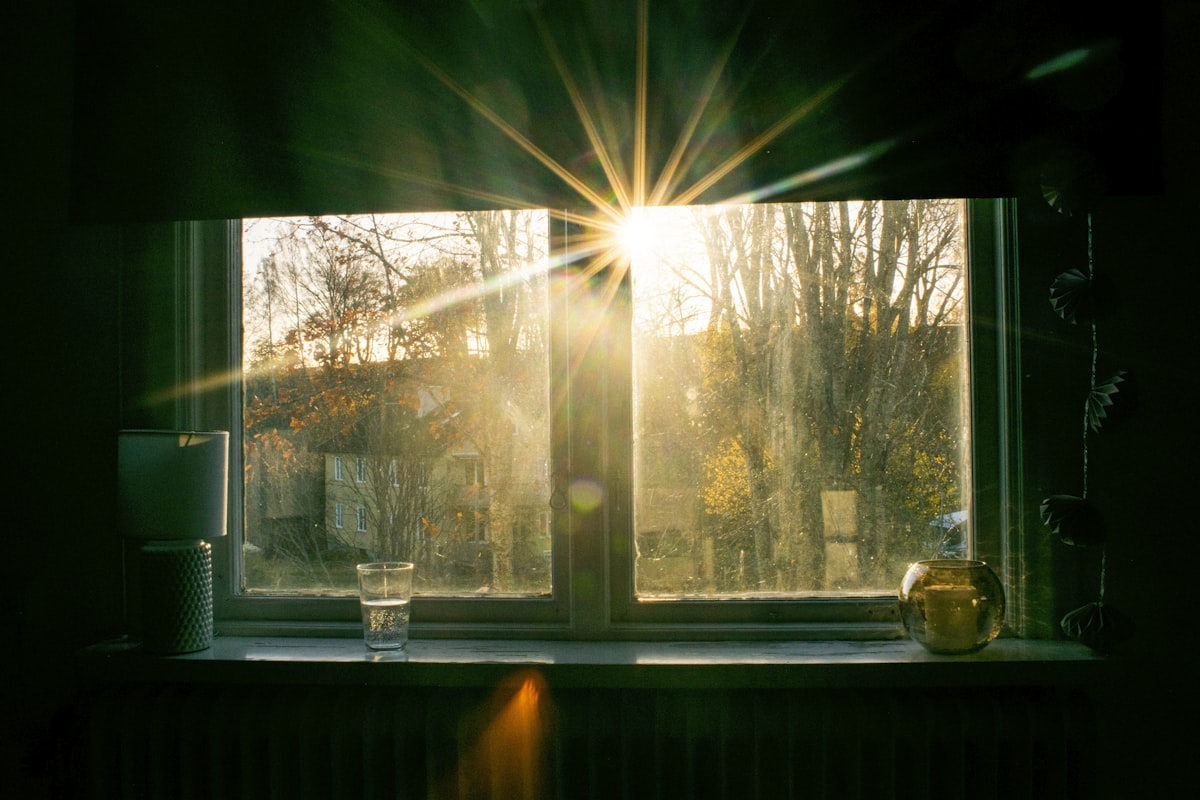
December, six forty-five, and the sky is the color of a wet sidewalk. I stood on the front step the first winter of this habit and genuinely wondered whether the whole idea had a January exception built into it. It doesn’t, and the details of why a gray sky still counts are in the morning light and sleep guide, where this recipe comes from.
Key takeaways
- Before sunrise, the outdoor sky is still dramatically brighter than your house, so pre-dawn minutes count.
- Winter slows the dose rather than canceling it: 30 to 40 minutes of gray light, or two shorter chunks.
- Glass and distance eat light, so the window seat loses to the ugliest parking lot sky.
- Keep the wake time steady and switch on every lamp you own, and let the wake time carry the schedule until the sun cooperates.
- Light boxes are a doctor conversation, not a first purchase. The sky is free.
Why pre-dawn light counts at all
Here’s the piece the sunshine posts leave out. The body clock takes its setting from light arriving through your eyes, and it can’t tell a December sky from a June one, only bright from dim. “The grayest January sky over the ugliest parking lot is still ten to a hundred times brighter than your kitchen with every bulb burning.” Your eyes will tell you the morning is hopeless. Your clock reads the same morning as a clear broadcast, and the difference between those two opinions is most of the winter advice you’ll ever need.
“Before sunrise, the outdoor sky is still dramatically brighter than your house, so if you can get outside briefly when you wake, do it. Ten minutes of pre-dawn twilight with a mug beats ten minutes under kitchen bulbs by a wide margin.” That’s the whole move. It isn’t pleasant by any reasonable standard, and it doesn’t need to be. It needs to happen, and it needs to happen at roughly the same hour each morning, because light at a consistent time gives the clock a pattern it can rely on.
The honest scale of the indoor problem deserves its own sentence. A comfortably lit living room runs a few hundred lux at best, while an overcast sky starts around a thousand and climbs. “Your eyes say this is plenty. Your clock says the sun never came up.” That gap is why people who spend all day indoors can be genuinely exhausted at eleven and strangely awake at midnight, and winter stretches the gap another few weeks.
The winter version of the recipe
The standard recipe is 10 to 30 minutes outside within an hour of waking, and winter slows it down without breaking it. “A gray December sky still out-delivers your living room by a factor of ten or more, so the recipe doesn’t break in winter, it just slows down, and it wants 30 or 40 minutes or two shorter chunks instead.” On the darkest mornings, lower the bar. Coffee on the porch counts. Tea on the front steps counts. Standing in the yard in yesterday’s sweatshirt while a crow judges you counts, and winter adds a coat to the wardrobe without changing the arithmetic.
The two chunks version is the practical one for a working winter. Ten minutes at the porch before you leave, fifteen at lunch, and the clock treats the pair as a dose with a good accent. My walkthrough of how long to sit in morning sun covers the dosing in fair weather, and the honest answer for glass is unkind: “indoor light right beside a window is often less than 1 percent of what’s falling on the other side of the pane,” so the window seat is the best seat in a dim house and still loses to a parking lot.
Staple the minutes to something you already do at the same time every day. The coffee is the obvious one, and it’s why the porch keeps coming up. Breakfast by the brightest window works as the indoor supplement, not the main dose.
When the sun finally clears the rooftops
The full winter version has three parts, and none of them costs money. First, get outside briefly when you wake, even for five minutes of gray. Second, turn on the bright lamps when you come in. All of them. Eat breakfast by the brightest window you have, because bright indoor light on waking isn’t the real thing and it beats nothing, which is what most houses are currently serving. Third, when the sun clears the rooftops, grab five minutes of it if the day allows. That last dose is small and it lands at the hour the clock reads most clearly.
The part that carries the schedule, though, is the wake time, and winter is exactly when it earns its keep. A body that wakes at the same hour gets its light, its breakfast, and its movement on a schedule the clock can predict, and that consistency does quiet work through the weeks when the sun is a rumor. My post on why morning sunlight resets your body clock covers the mechanism, and keeping a sleep schedule on vacation covers the same principle when travel scrambles it.
What winter punishes is the seasonal slide: wake time drifting later because it’s dark, morning walk canceled because what’s the point, lamps staying off because the coffee is enough. None of those decisions looks reckless on any single morning. Together they hand the clock permission to wander, and it takes the deal.
Honest limits, winter edition
The first limit is patience, and it’s bigger in winter. “Morning light won’t knock you out at bedtime. Not on night one.” What light does is shift the timing of your clock, and timing is the kind of change that shows up over days. Grace, the accidental dog walker from the chapter, needed two or three weeks before falling asleep fast became her normal, and her mornings involved a terrier on a schedule. Give any winter light habit a fair two weeks before you judge it, and if you keep the log from the book, the trend will show up there before your memory believes it.
The second limit is about gadgets, because the winter aisle will find you eventually. “Bright light boxes exist, they’re legitimate tools for a genuine winter low, and that’s a conversation to have with a doctor if you ever get there, not a purchase to make on a hunch.” If your mornings are spent in a basement office or the gray light genuinely doesn’t reach you, that conversation is worth having. Start with what’s overhead before you buy anything with a plug, because the sky is free and it out-delivers everything in the aisle.
And if you have an eye condition or light-triggered migraines, the eye doctor owns that question, not this article. For everyone else, the winter version is the same recipe with a coat on: outside briefly, lamps on, breakfast by the window, five minutes of actual sun when it shows, and a wake time that doesn’t negotiate with the season.
Frequently asked questions
Does going outside before sunrise actually do anything?
Yes. The pre-dawn sky is still dramatically brighter than your house, even gray, and the clock reads brightness through your eyes without caring what month it is. Ten minutes of pre-dawn twilight beats ten minutes of kitchen bulbs by a wide margin.
How much winter morning light do I need?
Thirty to forty minutes of gray December light, or two shorter chunks, compared with 10 to 30 minutes on a bright morning. Winter slows the dose rather than canceling it, and consistency at the same hour matters more than the exact number.
Why not just sit by a bright window?
Glass takes a cut of the light and distance collapses what’s left, so indoor light beside a window is often under one percent of the outdoor level. A window seat beats a dark room and loses to even the ugliest sky, which is why the porch keeps winning.
Should I buy a light box?
Light boxes are legitimate for a genuine winter low, and that’s a conversation to have with a doctor, not a hunch purchase. Start with the free version, because a gray December sky out-delivers your living room by a factor of ten or more.
When will I notice a difference?
Not on night one. Light shifts the timing of your clock, and timing shows up over days, usually two or three weeks before the change is obvious. Give the habit a fair trial period, and let a sleep log show the trend before your memory gets a vote.
“One move, then, tomorrow. Take the coffee, the tea, or just yourself outside within an hour of waking, stand there for ten minutes, and let the sky argue with your clock on your behalf.” The full chapter is in Sleep, Finally. The sun will show up late. You don’t have to wait for it.
This guide is educational, not medical advice. If trouble falling or staying asleep keeps you up three or more nights a week for three months or more, that pattern has a name and a treatment, and a doctor is the right door.