Alcohol & Sleep
Hangover Sleep: Why 10 Hours Can Still Feel Like 5
By Nora Vale · October 2, 2025 · 7 min read
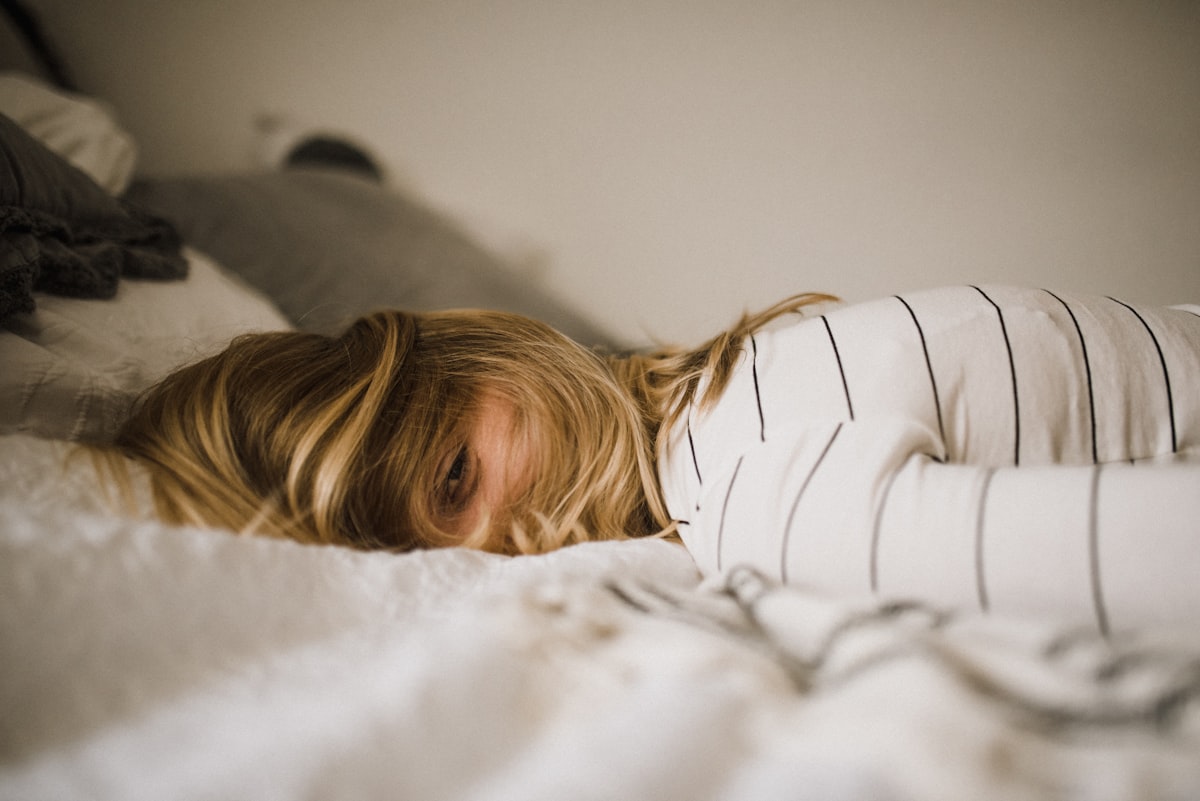
You were out cold at midnight and slept ten hours, and it still feels like someone swapped your brain for a wet newspaper. That’s the hangover sleep paradox, and it has a mechanical answer, not a moral one: hours in bed and hours of real sleep are different currencies, and alcohol devalues the second half of the night specifically. I spent years thinking I was the exception to this. The log disagreed, politely. The wider picture on the nightcap lives in the alcohol and sleep guide, and this piece is the morning-after version of the story.
Key takeaways
- Alcohol is a sedative, and sedation isn’t sleep; it switches the night shift off and defers the work to the small hours.
- The second half of a drinking night fragments: REM gets displaced, wake-ups multiply, and ten hours in bed can hold five hours of real sleep.
- The liver clears roughly one drink per hour, so the rebound arrives on a timetable, usually between 2 and 3 a.m.
- Hangover sleep recovery is time, water, food, daylight, and a normal wake time, not a trick.
- Finishing drinks hours earlier, with food, prevents the next one more reliably than any morning-after remedy.
The loan: what the first half of the night borrows
The nightcap feels like a gift because the gift arrives first. Alcohol is a sedative, and sedation arrives with a feeling of deep relief that the body files under sleep. You go out fast, and for the first few hours you get genuinely heavy, mostly dreamless sleep, front-loaded deep sleep that looks wonderful on any tracker.
But the arrangement is a loan, and the terms are fixed. “Sedation and sleep feel identical from the inside, they look identical from the doorway, and they are different things.” Sleep is a night shift with phases: deep work early, REM late, each stage doing a job. Sedation is the whole operation switched off. The job doesn’t vanish. It gets pushed into the small hours, and that’s where the debt comes due.
The wedding-couch image makes it concrete: pass out on the couch after a party, sleep seven technical hours, and wake feeling stored rather than rested. That’s the signature of a sedated night. The nightcap is that wedding in miniature, every time, with better bedding.
The timetable: why the wake-up is always around the same hour
The liver doesn’t negotiate. “It clears alcohol at roughly one drink per hour, steady as a metronome and completely indifferent to your plans.” Take a last drink at 10:30, and the sedative hours run out around two or three in the morning, exactly when the night is shallowest anyway. As the blood alcohol falls, the body reacts the way it reacts to a stimulant arriving: arousal, warmer skin, faster pulse, a brain that surfaces and decides to stay up.
That’s why hangover sleep breaks at the same eerily consistent hour. “It isn’t bad luck. It’s a timetable.” The 2:40 wake-up with a heart like a swallowed drum isn’t a quirk of your constitution. It’s the repayment schedule, and the interest is collected in REM, the stage that got pushed to the margins of a night it normally owns.
So ten hours in bed can honestly hold five hours of sleep that did restorative work, and the arithmetic that felt like a betrayal was just accounting. Full hours, empty rest.
The morning after, without folklore
There’s no remedy that restores the REM the alcohol displaced, so the morning-after plan is support, not rescue. Water, food, daylight, and movement do the honest work; a walk outside does more than any neon pill, because morning light steadies the clock that last night knocked sideways. The single most valuable move is keeping your normal wake time, even after a brutal night, because a long morning lie-in feels like repayment and works like a time-zone change. And hair of the dog just books another 2:40 for tomorrow night; the loan doesn’t shrink when you borrow again.
If you want to prevent the next one rather than survive this one, the lever is timing, not abstinence lectures. Fewer, earlier, with food is a legitimate stair-step. Two glasses finished at 8:30 with dinner land most of their rebound before you’re asleep, or strip it of its force entirely. Same wine, same person, same amount, different hours, different night.
The two-week version of that test is worth running once, if drinking nights are common in your calendar. Hold everything else steady, keep the log by the bed with a column for the last drink and a column for the wake-ups, and let the data argue instead of me. The pattern tends to show up fast, because the timetable never misses: drinking nights land between 2 and 3, quiet nights sleep through. An experiment that clears a suspect is still a good experiment, and the ones that exonerate the wine are the best results of all, because you keep the glass and lose the 2:40s at the same time.
The honest limits
The timetable is a strong average, not a personal prophecy; dose, body size, food, and age all move the hours, and some people metabolize alcohol differently enough that their nights break differently. One rough night is also just one rough night: your body is built to rebound, and a short, ugly Sunday sleeps itself deep by Tuesday without any intervention. The pattern worth acting on is weeks of drinking nights with 3 a.m. in every one of them. And if the evening drink has quietly become the mechanism that makes the day survivable, that’s worth saying out loud, without shame, to a doctor, because doctors know better switches than wine. “Alcohol doesn’t give you sleep, it lends it and charges interest at 3 a.m.”
Frequently asked questions
Why does 10 hours of sleep after drinking still feel like 5?
Because hours in bed aren’t hours of sleep. Alcohol is a sedative, and as your body clears it, the second half of the night fragments: REM gets shoved around, wake-ups multiply, and the sleep you kept was the sedated kind, which does less restorative work.
Does alcohol help you sleep at all?
It gets you unconscious faster, which feels like sleep. Sedation and sleep are different things: sleep is a night shift with phases, deep early and REM late, and sedation switches the operation off, pushing the work into the small hours.
How long does alcohol affect sleep quality?
The liver clears roughly one drink per hour, and the rebound arrives three to four hours after the last drink, which is why so many drinking nights break between 2 and 3 a.m. Effects can shadow the next night’s sleep too, especially REM.
What actually helps hangover sleep recovery?
Time, water, food, daylight, and a normal wake time. There’s no trick that restores the REM the alcohol displaced. The useful move is refusing to make tonight worse: no rescue naps that shred your schedule, and no “hair of the dog,” which just books another 3 a.m.
How do I stop the 3 a.m. wake-up after drinking?
Move the drinking earlier and lighter. Finishing hours before bed gives the liver a head start, so the rebound lands before you’re asleep or loses most of its force. The drink didn’t change. The clock did.
This article is educational, not medical advice. It doesn’t diagnose or treat anything, and a clinician should have the last word on persistent sleep problems.
The two-week experiment that separates drinking nights from quiet ones is laid out in full, with the log, in the book.