Sleep Red Flags & Help
Home Sleep Test vs In-Lab Study: Which You'll Get
By Nora Vale · August 2, 2025 · 7 min read
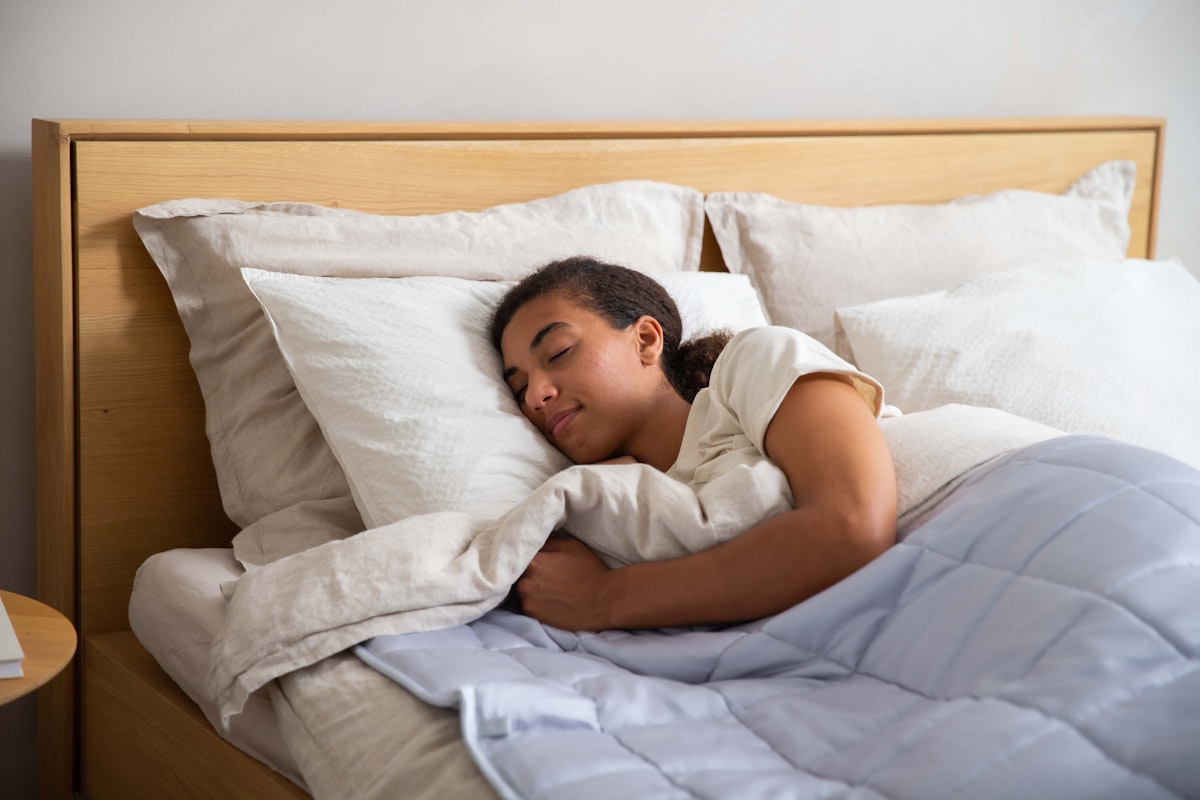
The first thing my neighbor Frank said after his sleep study wasn’t relief or vindication. It was, “That’s it? I slept in my own bed?” He’d put the appointment off for two years, partly because he didn’t think anything was wrong, and partly because he’d imagined a nightmare version of the test, a hospital cot, wires everywhere, a stranger watching him all night. His turned out to be the home kind: a few sensors, one ordinary night, his own pillow. The results explained ten years of “tired” on a single page.
Frank is the case where the choice was easy. Suspicion pointed clearly at apnea, loud snoring with pauses his wife had counted, morning headaches, coffee that never seemed to land, and for that picture the home test is the standard first move. The fuller story of when a sleep problem stops being a routine problem is in my guide to sleep red flags. Here, the question is narrower: home vs in lab sleep study, what each one actually is, and who gets which.
Key takeaways
- A home sleep test is portable sensors plus one night in your own bed, and it’s built mainly to count apnea events.
- An in-lab study (polysomnography) watches brain waves, breathing, oxygen, leg movements, and sleep stages from a sleep center.
- For clear-cut suspected apnea, doctors often order the home test first. Complicated pictures get the lab.
- Neither test diagnoses you by itself. The results meet a history, a log, and a clinician.
- A negative home test with strong ongoing symptoms is a reason for the lab, not a verdict that you’re fine.
What the two tests actually measure
The home test is a stripped-down instrument with a narrow job. You typically pick up a small kit, clip a sensor on a finger, wear a small belt or nasal tubing, sleep at home, and return the kit. It records airflow, oxygen levels, breathing effort, and position, and from that it estimates how many times per hour your breathing slowed or stopped. It does not reliably measure sleep stages, total sleep time, or brain activity. It’s a breathing audit, and it’s good at that job.
The in-lab study is the full orchestra. You sleep at a sleep center, wired up like a polite circuit board, and the recording covers brain waves, eye movements, muscle tone, heart rhythm, breathing, oxygen, and leg movements all night. A technician monitors from another room. From that, the clinician can see not just how you breathed but what stage you were in when anything happened, whether legs were jerking, whether the brain was actually asleep as much as it looked, and plenty else.
The trade is honesty about scope. The lab sees everything and costs more, waits longer, and asks you to sleep somewhere that isn’t yours. The home test sees breathing and costs a fraction, with no waitlist in many cases. Neither is the “better test” in the abstract. They answer different questions.
Which one you’ll probably be offered
For suspected obstructive sleep apnea with a clear story behind it, witnessed pauses, gasping, loud chronic snoring, waking unrefreshed, morning headaches, the home test is commonly the first step, and Frank’s is the textbook version: his wife’s written list turned the appointment into a home study, one ordinary night in his own bed, and the results explained a decade of tired on one page.
The lab gets the complicated cases, and it’s worth knowing roughly why. If the home test comes back clean while the symptoms stay loud, the breathing audit may have missed something the full recording would catch, and the lab is the escalation. If the picture includes severe insomnia, suspected restless legs, narcolepsy-style daytime ambushes, or other conditions layered on top, the clinician wants sleep stages and leg channels, which only the lab provides. Certain heart or lung conditions also push toward the lab. And if a night shift worker or someone whose schedule confuses the timing needs a full picture, the lab handles that better too.
One more decision factor nobody mentions: the witness problem. If you sleep alone, nobody has counted your snoring pauses, and the home test becomes even more useful as objective evidence. Either way, a phone recording overnight can hand you the same documentation a partner would have brought, which turns “I think I snore badly” into something a clinician can actually listen to.
What the nights are actually like
The home night is your night, plus hardware. Most people report it barely disturbed their sleep, because the sensors are few and the bed is theirs. Frank slept in his own bed and the test still caught what it needed. The main failure mode is human: a sensor comes loose at two in the morning, the recording comes back thin, and the test has to be redone. Check the fit before lights out and you’ve avoided the most common redo.
The lab night is the one people dread, and the dread is usually worse than the night. Yes, there are wires on your scalp and chest. Yes, the pillow isn’t yours. Sleep centers see first-timers constantly, they know the room is strange, and they build around it. First-timers in sleep labs sleep fine more often than anyone expects, precisely because nobody has told them their sleep is being graded. If you also have chronic insomnia, say so when you book, because lying wired in a strange bed is the one situation where insomnia’s stage fright deserves a plan, and the staff can make one.
The prep for either is the same and boring: your usual evening, your usual medications unless the doctor says otherwise, no alcohol that night, and the paperwork that makes the results mean something. That last item is the one people skip and shouldn’t.
Bring evidence, whichever test you get
The test answers one question, but the appointment around it decides a lot more, and the appointment is won before it starts. Bring a seven-day sleep log: wake time, minutes to fall asleep, night wakings, last caffeine, alcohol, morning feel. Seven rows convert “I sleep badly,” which is a feeling, into a finding, fifty minutes to fall asleep six nights out of seven and waking at 3 most mornings. Doctors work in minutes. Evidence respects their time.
Bring your partner’s notes if you have a partner. “His snoring stops and then he chokes” outperforms any adjective you could choose, and the person who shares your bed has watched more of your nights than you have, since you were unconscious for all of them. Bring the list of everything you take, prescriptions, supplements, the melatonin from the airport kiosk. And bring the sentence you came to say, rehearsed once, in the car if needed. Skip the apology. Say the sentence.
If the thought of composing all of this from scratch is exhausting, the sleep study walkthrough covers the practical side in detail, and the doctor-visit preparation guide handles the appointment itself, including the seven-day log doctors ask for.
The honest limits of both tests
A home test that comes back negative does not mean nothing is wrong. It means the breathing audit found no significant apnea that night. If your symptoms are strong and the result is clean, the correct next step is the lab, not self-congratulation. A test is one night’s sample, and the home test in particular measures a narrow slice of what can go wrong.
The lab has limits too, in the other direction: one night in a strange room, with the possibility that your sleep runs worse than usual and the numbers need careful reading. Labs plan for this, and a repeat night is a normal request, not a failure. Neither test measures how tired you feel, and how tired you feel is data the clinician genuinely wants.
And the boundary I keep in this whole cluster: I’m not a doctor, and nothing here diagnoses anyone. Recognition is not diagnosis. It’s a door. The full chapter of which this post is a slice, worksheets and appointment scripts included, is in Sleep, Finally. Tonight’s version is one sentence to a partner, if you have one: ask them to listen tonight and tell you whether the snoring ever stops.
This guide is educational, not medical advice. If sleep problems persist for months or wreck your days, see a doctor.
Frequently asked questions
What is the difference between a home sleep test and an in-lab study?
A home sleep test uses portable sensors for one ordinary night in your own bed and mostly tracks breathing. An in-lab study, or polysomnography, happens overnight at a sleep center with far more sensors and watches brain waves, breathing, leg movements, and sleep stages.
Which test does a doctor order for suspected sleep apnea?
Often the home test first, especially when symptoms point clearly at apnea. An in-lab study is likelier when the picture is complicated, the home test comes back negative despite strong symptoms, or another condition such as severe insomnia or restless legs is in the mix.
Does a home sleep test measure sleep quality?
Not really. It estimates breathing events, oxygen drops, and position, and it can’t reliably measure sleep stages or total sleep time. That’s a feature for its purpose, which is counting apnea events, not a flaw to argue with.
What should I bring to a sleep study appointment?
A seven-day sleep log, your partner’s notes about snoring pauses or gasping, and the list of everything you take, prescriptions and supplements included. Doctors work in minutes, and evidence respects their time.
Is one bad night in the lab a failed test?
No. Labs plan for it, and if a first night is too disturbed, a second can be arranged. If you also have chronic insomnia, mention it beforehand so the staff knows what to expect and you know what’s being measured.