Wind-Down Routines
Jet Lag Evenings: Resetting Your Routine After a Flight
By Nora Vale · June 20, 2025 · 8 min read
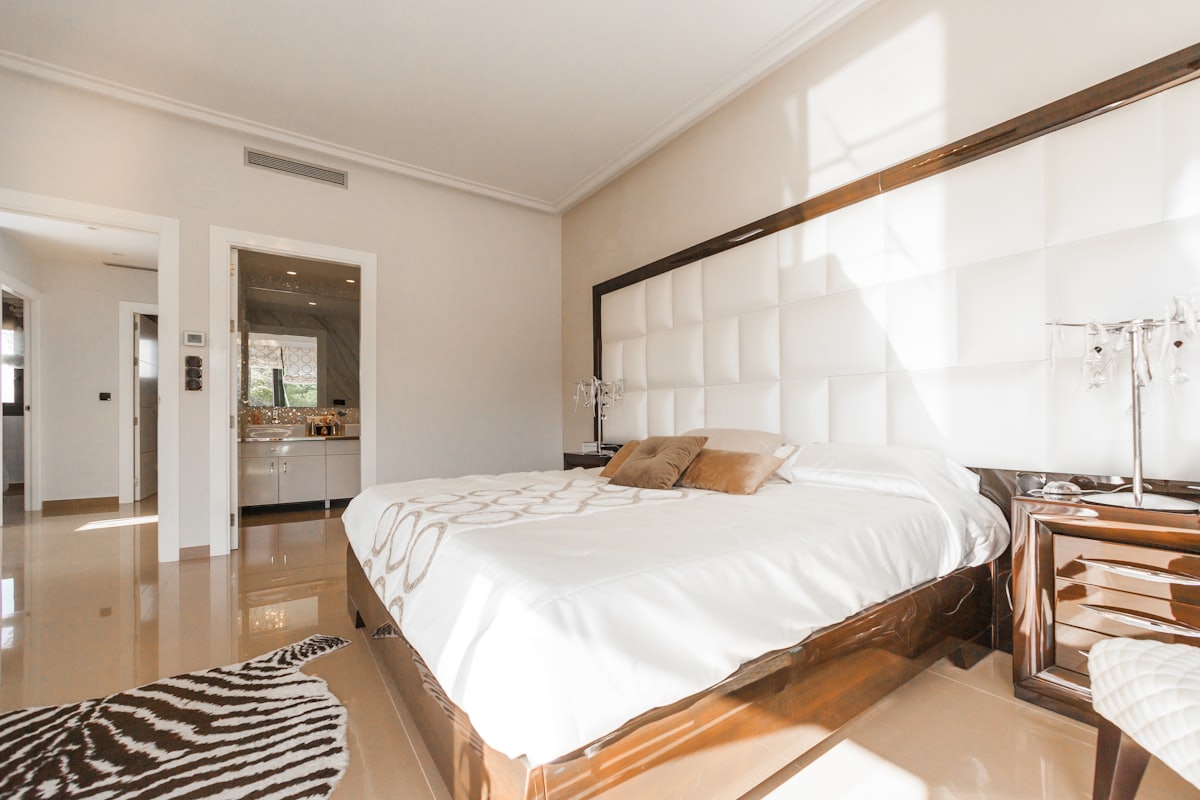
My worst jet lag ever happened without a single late night on the trip. The days were fine. It was the evenings that betrayed me, because at home the whole last hour ran on rails: dim lights, wash up, twenty pages, phone in the kitchen. In the hotel, all of that evaporated. The room glowed like a departure lounge, dinner ran late, and I lay down at what my body firmly believed was mid-afternoon. A jet lag bedtime routine sounds like a luxury topic until the fourth night of staring at an unfamiliar ceiling, and then it is the only topic.
The full context sits in my wind-down routine guide, because the travel version is the home version wearing a different time zone. This post covers what changes on arrival, what stays exactly the same, and the honest cost of the first two nights.
Key takeaways
- The wind-down sequence travels: dim, wash, quiet, bed, in the same order, on local time from night one.
- Switching to local time on arrival day beats calculating home hours, even when the appetite and the sleepiness disagree.
- Light is the strongest lever: bright local mornings, dim local evenings, and a capped short nap on day one.
- The brain needs a runway to land on, and an unfamiliar bright room is the opposite of a runway.
- Expect the routine to feel right before the sleep does, and keep the sequence running through the clumsy nights.
The brain needs a runway, especially at altitude
The line that runs the whole wind-down chapter applies double on travel nights: “The brain isn’t a lamp. It’s a jet on approach, and it needs the long glide, the slowing circles, the runway.” At home, your evening builds that runway out of repetition. The body learns that lamps coming on means the descent has started, and by the time you reach the pillow, the glide is half done.
Travel strips all of it. The hotel room is bright, the schedule is sideways, and the cues your body has spent years learning are missing entirely. That is why a jet lag bedtime routine matters more on the road than at home, not less. You are rebuilding the runway from scratch, in a room that has never seen it.
The good news is that the sequence itself is portable. The five-minute version from the book, dim whatever dimmable exists, ten slow breaths, phone across the room instead of under the pillow, works in a hotel, a guest room, or anywhere else, because “The sequence doesn’t need your own bedroom to work. It just needs to happen.”
Local time from the first night
The single decision that does the most work is switching to local time on arrival day, and I mean all of it: meals, movement, activity, bedtime. The book’s travel chapter is blunt about this, because the temptation is to compute everything back to home hours, and the computation keeps your clock in the old zone while your body attempts the new one.
Here is what the first evening looks like in practice. Eat dinner at the local dinner hour even without appetite, which usually arrives a day late. Take the evening walk, keep the lights low after dark, and cap any nap from the day at twenty to thirty minutes and well before the evening, so the real bedtime finds you with sleep pressure left. Then run the sequence: dim the room, wash up, something quiet, bed at a local-reasonable hour even if the first hour in the dark is an honest struggle.
The reader the book follows on his eastbound trips, Victor, learned this the expensive way, landing, napping until dinner, and lying awake until four in the morning before client meetings. When he switched to local time from the landing gate, breakfast on local hours without appetite included, day two found him a person again. The post on how long jet lag takes to recover covers the full timeline, and keeping a sleep schedule on vacation handles the longer trip version.
Light does the heavy lifting at both ends
The routine is the frame, and light is what actually moves the clock. The rule from the morning-light chapter runs in both directions: “Morning light pulls the clock’s schedule earlier. Evening light pushes it later.” Flying east, you want the first effect, so bright local mornings are the treatment and dim local evenings are the protection that keeps the treatment from undoing itself.
Practically, that means your jet lag bedtime routine starts before the routine starts. From local sunset, drop the room to lamps, close the curtains against whatever the street is doing, and give the phone a different room to charge in. The book’s line about melatonin applies here: it is the darkness signal, it starts rising about two hours before your usual bedtime only in dim light, and a bright room in that window quietly shoves the clock later, which is the exact wrong direction after an eastward flight.
The travel version of the whole light plan, including the direction that matters for westbound flights, lives in east vs west travel jet lag.
The first two nights cost something
Honesty section, because every travel post that skips it is selling something. The first night or two on local time usually means lying awake for stretches that would embarrass you at home. That is not the routine failing. That is the clock still catching up while the routine holds the shape. The book’s framing for the wind-down’s awkward opening week applies: the first stretch will feel pointless, and it is better to hear that from me than to discover it alone on night two in a strange room.
Two things make the clumsy nights cheaper. First, protect the sequence even when the sleep does not show up, because the repetition is what your body is learning, and a routine you abandon on night two teaches nothing. Second, keep the morning half of the bargain: get up at the local hour anyway, get outside into local light, and let the day do its work. The post on what to do when you cannot fall back asleep covers the middle-of-the-night version of this, which hotels produce in quantity.
Frequently asked questions
How do I reset my bedtime routine after a long flight?
Run the same wind-down sequence you run at home, on local time from the first night: dim the room, wash up, something quiet, bed. The order is what your body recognizes, and the sequence travels better than any specific clock time does.
Should I go to bed early or stay up late on arrival night?
Anchor to local evening rather than to exhaustion. Cap the day-one nap at twenty to thirty minutes and keep it well before the evening, then run the full sequence at a local-reasonable bedtime even if sleep takes its time arriving.
What does light have to do with a jet lag bedtime routine?
Light is the strongest lever on the body clock. Bright local mornings pull the clock earlier, which matters most flying east, and dim evenings protect the melatonin rise that makes the new bedtime physically possible.
How long until my routine feels normal after travel?
The routine usually feels right before the sleep does, often by the second or third night. Keep running the sequence through the clumsy nights, because the repetition is the active ingredient, and the clock follows within a few days.
Should I bring melatonin on the trip?
It is a fair question for your doctor, since low-dose melatonin near the target local bedtime has real evidence behind it after eastward travel. The book’s framing is worth keeping: it is a timing signal your own brain already produces at dusk, not a knockout drop, and the routine carries most of the work either way.
The evening that greets you in every hotel room from now on is four steps long: lamps on and overheads off, wash up, twenty pages or ten breaths, phone across the room. It costs nothing, it fits in any room with a door, and by night three your body usually starts believing it. The full wind-down system, travel versions included, is in Sleep, Finally.
This guide is educational, not medical advice. If sleep problems persist most nights for three months or more, a doctor is the right door.