Alcohol & Sleep
Lisa Falls Asleep at Ten: A Nightcap Story
By Nora Vale · January 3, 2026 · 7 min read
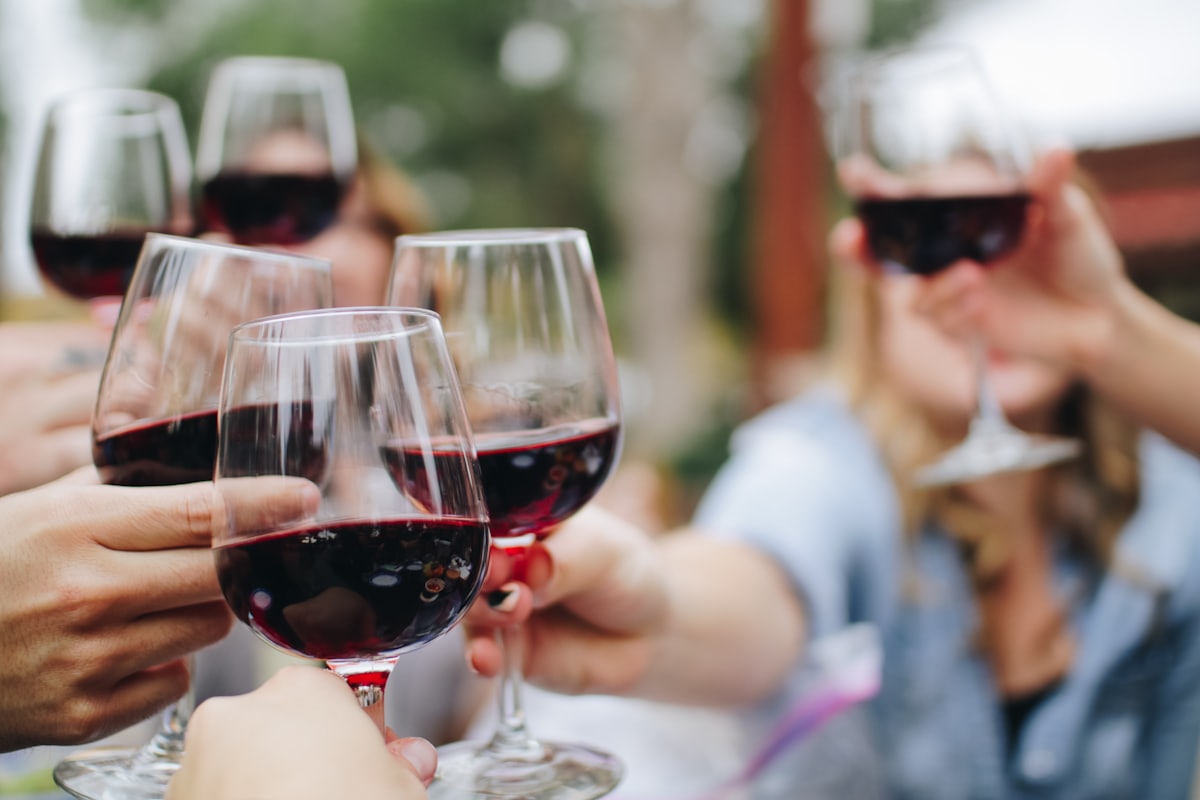
Lisa falls asleep at ten. Two glasses of wine, dishes done, lights off, and she’s gone in about ninety seconds, a skill she’d have put on a résumé if anyone had asked. And every night, somewhere between 2:20 and 3:00, she’s back, staring at a ceiling that offers nothing. That is the whole lisa nightcap story, and it took her years to connect the two halves, because the thing delivering the first half was quietly causing the second.
If your own nights rhyme with hers, fast asleep, wide awake at a suspiciously consistent hour, the fuller picture is in the alcohol and sleep guide, which walks through the mechanism and the two-week experiment. This post is just Lisa’s story, because her story is the cleanest demonstration I know of how a nightcap hides in plain sight.
Key takeaways
- Falling asleep fast after a drink is real, and it’s sedation, not restorative sleep.
- A consistent middle-of-the-night wakeup is often the drink’s timetable, not bad luck.
- The wine never made Lisa’s suspect list because it produced her best effect.
- Three dry evenings a week with a pencil log named the pattern in nine days.
- You don’t have to quit entirely to learn what your drink is doing to your night.
The talent that wasn’t a talent
Lisa is forty-six, an accountant, and she’d been drinking two glasses of wine most nights since her mid-thirties. The falling-asleep part never struck her as a symptom. It struck her as a victory. You know the feeling: the quick heaviness, the surrender, the pillow arriving faster than your thoughts. Alcohol genuinely knocks you out, and a story that pretended otherwise would be useless.
So when the wakeups started, she did what organized people do. She audited. Across the years she worked through perimenopause, work stress, the new mattress, blood sugar, and the neighbor’s motion light that blinks into her window at nothing. The wine never made the list. Why would it, when the wine was the one thing in her life that reliably produced sleep, the cause of her single best effect? A suspect with that kind of alibi doesn’t get investigated. It gets thanked.
I find this the most uncomfortable part of the story, because it’s the part I lived too. The thing that works fastest is the thing you investigate last.
The 2:40 with a commuter’s punctuality
Here’s what was actually happening. The wine sedated her, which felt like deep sleep and wasn’t. Sleep is a night shift with phases: deep sleep early, handling physical repair, REM later, handling memory and emotional filing. Sedation switches that operation off. “Sedation and sleep feel identical from the inside, they look identical from the doorway, and they are different things,” and the difference collects its fee in the small hours.
Her liver cleared the alcohol at roughly one drink per hour, steady as a metronome and completely indifferent to her plans. Three to four hours after the last glass, the sedative thinned out, and her body reacted the way it reacts to a stimulant arriving: pulse up, skin warm, brain surfacing. It isn’t bad luck. It’s a timetable. That’s why the wakeup was so consistent, and why “why did I wake up” never had a satisfying answer at 2:40. The reason had been poured at ten.
The 2:40 wasn’t a quirk of Lisa. It was the wine’s schedule, and it had never once missed.
The daughter, the podcast, and the pencil log
The intervention was small enough to miss. Her daughter, home for a summer and insufferable about a sleep podcast, talked her into three dry evenings a week, Sunday through Tuesday, with a log on the fridge. Nothing fancier than wakeups and wine, jotted in pencil. No supplements, no new mattress, no app, just the one variable moved and a piece of paper watching.
The pattern appeared in nine days. On wine nights she was up somewhere between 2:20 and 3:00 like a commuter catching the same train. On the dry nights she either slept through or surfaced once around four and rolled back under without ever fully waking. Same woman, same bed, same workload. That’s the detail worth sitting with: her nights hadn’t been random for years. They’d been scheduled, by the glass.
If you want to run the same test on your own nights, the two-week no-alcohol sleep experiment is the fuller version, and the nightcap myth explains why the first half of the night always feels like success. Lisa’s three-evening version is the legitimate entry point if two full weeks sounds like more than you can honestly promise.
What nine days of data actually bought her
The log didn’t scold her, and that matters, because this isn’t a story about someone being caught. It’s a story about someone getting information. Nine days of pencil marks turned a decade of mysterious wakeups into a mechanism with an arrival time. Once you’ve seen your own version of that table, wine night, 2:40, wine night, 2:40, dry night, slept through, you can’t unsee it, and you don’t have to take anyone’s word for anything, including mine.
It also bought her options. She could keep the arrangement and know the price. She could move the wine earlier, to dinner instead of ten. She could keep the ceremony and swap the chemistry, which is what the author of the book ended up doing, a mug in the same chair at the same hour, and there’s a whole post on the drink that stands in if the ritual is the part you’d miss. The log is what makes those decisions yours instead of accidents.
The honest limits
Lisa’s story is the clean case, and clean cases flatter the method. Some people run the log for two honest weeks and find their wakeups don’t care about the wine at all. That’s a genuinely useful result. 3 a.m. has more than one employer, and if your dry nights wake you anyway, the suspect list reopens, which is the situation I cover in why do i wake up at 3am every night. The book puts it plainly: an experiment that clears a suspect is still a good experiment.
One more limit, said without drama. For some people the evening drink is the mechanism holding a hard day together, and a log is not the tool for that. A doctor is, and there’s no shame anywhere in that sentence. Lisa’s version was a habit, not a lifeline, and it’s worth knowing honestly which one yours is before you start counting anything.
Frequently asked questions
Why did Lisa fall asleep so fast after her wine?
Because alcohol genuinely shortens sleep onset. The ninety-second disappearance was real, and it was sedation: the night’s phased operation switched off, with the deep work jammed into the first half and the bill deferred to the second. Fast is not the same as good, which is exactly what makes the nightcap hard to argue with at ten.
Why did Lisa wake at 2:40 every night?
The clearance curve. Her liver processed the wine at about one drink per hour, so three to four hours after the last glass the sedative faded and her body responded with arousal: faster pulse, warmer skin, a flat-out wakeup. The consistency that felt eerie was the mechanism showing its schedule.
How long did it take for Lisa’s pattern to show up?
Nine days, on three dry evenings a week, with a fridge log in pencil. Wine nights put her up between 2:20 and 3:00. Dry nights she slept through or surfaced once near four and went back under. You don’t need a lab or an app to run this; the pairing of a drink column and a wakeups column is the entire instrument.
Why had Lisa never suspected the wine?
Because it was the cause of her best effect. The wine reliably produced her fastest, deepest-feeling sleep onset, so it got thanked instead of investigated while perimenopause, stress, the mattress, and the neighbor’s light took the blame. The suspects that work are the suspects that never get audited.
Did Lisa have to quit drinking entirely?
No. Her entry was three dry evenings a week, Sunday through Tuesday, and the outcome was information, not a purity badge. Fewer, earlier, with food is a legitimate stair-step that stands on its own, and plenty of reasonable adults read the mechanism, nod, and adjust the pour instead of deleting it.
Alcohol doesn’t give you sleep, it lends it and charges interest at 3 a.m. Lisa’s story, logs and all, is one chapter of Sleep, Finally, and the fridge-pencil version costs you nothing to try.
This guide is educational, not medical advice. If drinking feels like a mechanism you need rather than a habit you enjoy, a doctor is the right door, without any shame attached.