Caffeine & Sleep
Matcha vs Coffee: Gentler Energy or Same Problem
By Nora Vale · April 15, 2025 · 7 min read
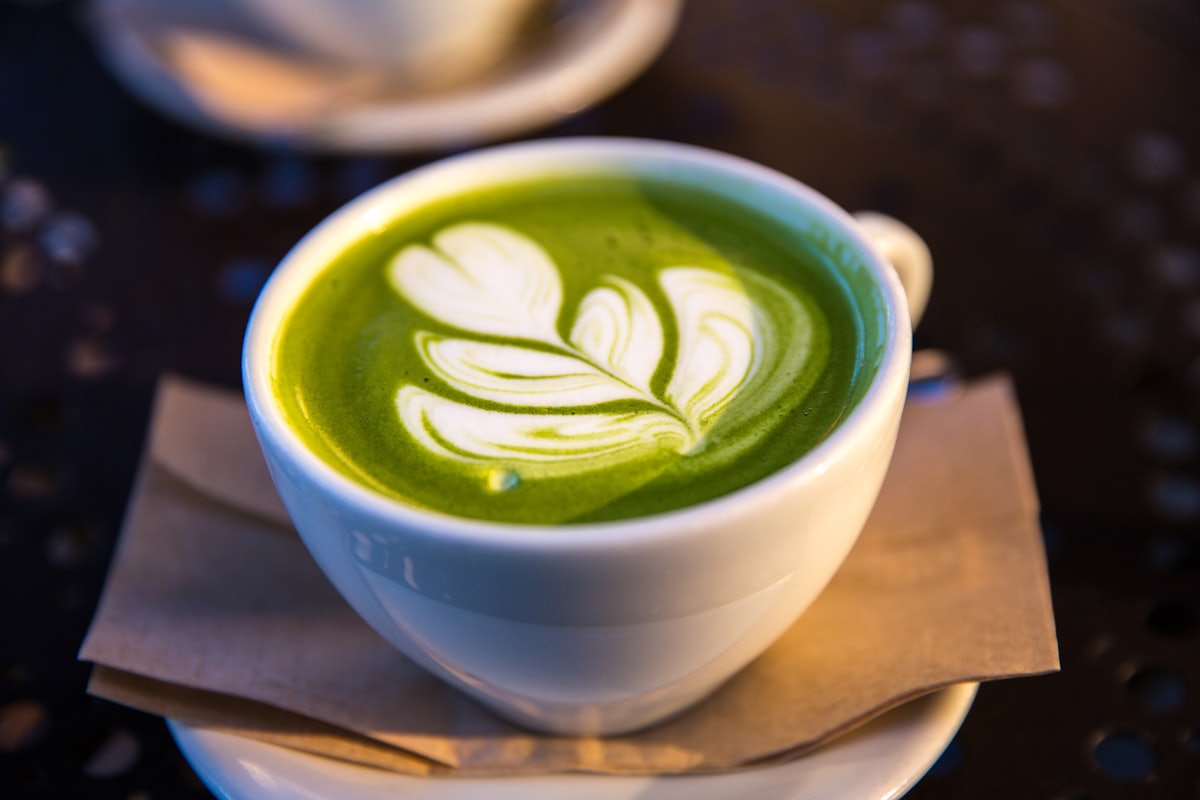
The first time I drank matcha, someone told me it was coffee for people who’ve made peace with their mornings, and I believed the packaging for about a year, including the part where a 4 p.m. bowl was somehow exempt from the rules that governed espresso. The sleep log disagreed, politely, with data. So here’s the honest matcha vs coffee breakdown, written by someone who drinks both and no longer lets either one of them past the afternoon.
The half-life machinery that makes the afternoon matter is in my guide to caffeine and sleep. This post is about whether the green stuff gets a pass. It doesn’t, and the reasons are more interesting than the marketing.
Key takeaways
- Matcha typically carries less caffeine than coffee, roughly 60 to 80 milligrams a serving against coffee’s 100 to 200, but the gap shrinks with generous powder.
- The smoother feel is real, thanks to L-theanine, but smoother is a description of the ramp, not the total load.
- The half-life is identical, so a late matcha obeys the same eight-hour cutoff as any espresso.
- As a taper tool, matcha is a reasonable step down; as an afternoon fixture, it’s still caffeine wearing a calmer outfit.
- The cutoff doesn’t count sources. It counts milligrams.
The caffeine math, honestly
A typical serving of matcha, a gram or two of powder whisked into water, runs roughly 60 to 80 milligrams of caffeine. A cup of coffee runs 100 to 200 depending on size and roast, and a large from most counters lands near 200. So on paper, the matcha serving is gentler, somewhere around a cup of tea’s upper range rather than a coffee’s.
The catch is that matcha’s number is a floor, not a ceiling. Cafés that serve it strong use two, three, sometimes four grams, and every extra gram adds its caffeine silently, because nobody pictures green tea as a delivery vehicle. The 80-milligram bowl and the 160-milligram bowl look identical in the cup, and the menu never prints the difference. Coffee at least has the decency to advertise its strength in ounces.
Then there’s the whole-day view, which matters more than any single cup. The same total spread across different hours produces completely different nights, so a matcha at 8 a.m. and a coffee at 8 a.m. are near-equivalent citizens, and a matcha at 4 p.m. has exactly the same problem a coffee at 4 p.m. has. The half-life runs five to six hours per half for a typical adult, whatever color the cup was.
Why it feels different, and what that’s worth
The smoothness claim has a real mechanism. Matcha contains L-theanine, an amino acid associated with calmer alertness, and the combination appears to soften the spike-and-crash shape that coffee gives many people. The experience of matcha is a ramp with guardrails. The experience of coffee, for some drinkers, is a launch and a landing.
That’s worth something, and I don’t want to undersell it. For people who find coffee jittery, matcha can deliver usable alertness with less of the edge, and that’s a legitimate daily preference. What it isn’t is a sleep exemption, because the molecule doing the alertness is the same one, and your liver doesn’t process it differently because the delivery was elegant. Caffeine hides the receipt either way. Matcha just wraps it in nicer paper.
The honest test is the one everything in this cluster gets: not how you fall asleep, but how the night holds. Falling asleep fast isn’t the test. Staying down in deep, unbroken sleep is the test, and a 4 p.m. matcha can pass the first and fail the second exactly like its darker cousin, which is how the whole category stays off suspicion for years.
Where matcha actually earns its place
As a taper tool, matcha is genuinely useful. If you’re walking your afternoon coffee down the ladder, a 70-milligram bowl is a step in the right direction, the same way half a cup is, and the ritual is intact, which is half the battle since the ritual counts too. Smaller dose, same warm pause, gentler landing.
As a morning drink, it’s a fine citizen, the same as coffee before noon. My own rule has never been anti-coffee, it’s been anti-afternoon, and matcha lives inside that rule comfortably. If your cutoff is 2:30 and your matcha is at 10, nobody in this conversation has any complaints.
Where it fails is the afternoon-fixture role, the “healthier 3 p.m. pick-me-up” position it keeps getting cast in. A 4 p.m. matcha still holds half its caffeine at 9 or 10, still lightens the deep sleep your brain was going to use to clear the day’s backlog, and still goes on tonight’s tab. Gentler caffeine is still caffeine, and the cutoff doesn’t count sources. It counts milligrams.
The honest limits
First, the numbers here are ranges, not guarantees, because both drinks vary hugely with preparation and serving, and your own half-life varies with your liver. Two weeks of a log, last dose and night quality, will settle what the averages can’t, and the log is free.
Second, L-theanine research is thinner than the marketing implies. The calm-alertness story has real support but it isn’t a prescription, and people sensitive to caffeine can feel jittery on matcha too, especially the strong café versions. Your nervous system is the experiment that matters.
Third, the medical note: pregnancy roughly doubles caffeine’s half-life, and anxiety disorders and heart conditions all change the calculation, so those conversations belong with a doctor. Matcha’s health halo doesn’t move any of that.
Frequently asked questions
Does matcha have less caffeine than coffee?
Usually, yes, roughly 60 to 80 milligrams a serving against coffee’s 100 to 200, though café servings with extra powder can close or reverse the gap, and the menu almost never tells you which one you’re drinking.
Why does matcha feel smoother than coffee?
L-theanine in matcha softens caffeine’s spike for many drinkers, producing calmer alertness and a gentler ramp. It changes the feel of the dose, not the dose itself, and the sleep math is unchanged.
Does matcha affect sleep like coffee does?
Yes, when the timing is late, because the half-life is identical. A 4 p.m. matcha holds half its caffeine at bedtime-ish hours and lightens deep sleep the same way an espresso would.
Is matcha a good afternoon swap for coffee?
As a taper step, yes, since the dose is smaller and the ritual survives. As a permanent afternoon drink, it’s still post-cutoff caffeine, and decaf or caffeine-free options do the afternoon job without the tab.
Which is better for sleep, matcha or coffee?
Neither, at night, because both obey the same eight-hour rule and the cutoff counts milligrams rather than sources. During the day, choose whichever feels better to you. After the line, the answer for both is nothing caffeinated.
The tea family continues in green tea vs black tea, which hurts sleep less and teas before bed, the ones that help and hurt, while the half-life math both drinks obey is in caffeine half-life explained. The full chapter is in Sleep, Finally.
This guide is educational, not medical advice. If sleep problems persist most nights for three months or more, a doctor is the right door.
Drink the matcha at 10 and love it, that’s my actual position. Just stop letting the whisk and the ceramic bowl convince you that 4 p.m. is a different country. The receipt still comes due, and it still comes due tonight.