Exercise, Naps & Sleep
Morning Exercise Plus Light: A Double Win for Your Clock
By Nora Vale · May 6, 2025 · 8 min read

The year my sleep was worst was also my most sedentary one, and the fix, when it finally arrived, was almost insulting: forty minutes of walking, most mornings, twenty when life got in the way. Within two weeks my nights had edges again. It took me longer to notice the part I hadn’t planned. I walked outside, in the first hour after waking, which meant the habit was quietly doing two jobs, and neither one knew about the other.
That accidental pairing has a name now, at least in my notes: the double win. Movement and light both act on your nights, and they act through different doors. This post covers what each one does, why stacking them at the same hour works better than either alone, and how to build the version you’ll actually repeat. It sits at the overlap of two chapters, so you’ll meet both the exercise and sleep guide and the morning light guide along the way.
Key takeaways
- Movement builds sleep pressure. Light sets the body clock. Different dials, different mechanisms.
- Doing both in the first hour after waking anchors pressure and clock to the same schedule.
- A brisk walk outdoors is the cheapest version of the stack, and gray days count.
- Consistency beats intensity. The habit you repeat is the one that pays.
Two dials, one morning
The first dial is sleep pressure. It’s the drowsy cargo that builds in your brain every hour you’re awake, faster when your body is actually doing things, and it drains while you sleep. Movement raises the fill rate; sitting all day throttles it. “A body that spent nothing by evening has nothing to pay sleep with.” The evidence here is unusually consistent: people who move at all sleep better than people who don’t, and the jump from nothing to something is the biggest jump available. Johns Hopkins Medicine notes that even thirty minutes of moderate aerobic exercise measurably improves that same night’s sleep.
The second dial is the clock. Deep in your brain sits a cluster of about twenty thousand cells that keeps your body’s time, and it isn’t a perfect 24-hour machine. Left alone in time-isolation rooms, volunteers’ clocks drifted, which is what the Harvard teams running those studies kept finding. The clock needs resetting every morning, and daylight through your eyes is the strongest signal it accepts. Sleep researchers call signals of this kind time-givers. Morning light pulls the clock’s schedule earlier. Evening light pushes it later.
Notice that neither dial knows about the other. You could build sleep pressure in a windowless gym, or reset your clock on a bench without moving, and each would help. The stacking is what makes the morning version special.
Why the pairing works
Run both dials at the same hour and they start agreeing with each other. The movement says: this is when the day’s spending begins. The light says: this is when the day begins. Your sleep pressure now compounds on a schedule, and your clock has a fixed reference point for when tonight’s melatonin rise should start, roughly two hours before your usual bedtime and only in dim light.
The consistency part is doing quiet work here too. Light at roughly the same time each morning gives the clock a pattern it can rely on, which is why the habit bolts so easily onto a fixed wake time. A walk that happens whenever it happens still helps. A walk that happens at 7:15 every day helps more, because the clock rewards the repetition, not the effort.
And the earliness matters more than most people guess. “The same ten minutes at noon is a lovely walk. It just isn’t the same signal.” Noon still counts, and I’ll defend the lunchtime walk later, but the first waking hour is where the light does its heavy lifting for that evening’s sleep onset.
The cheapest version of the stack
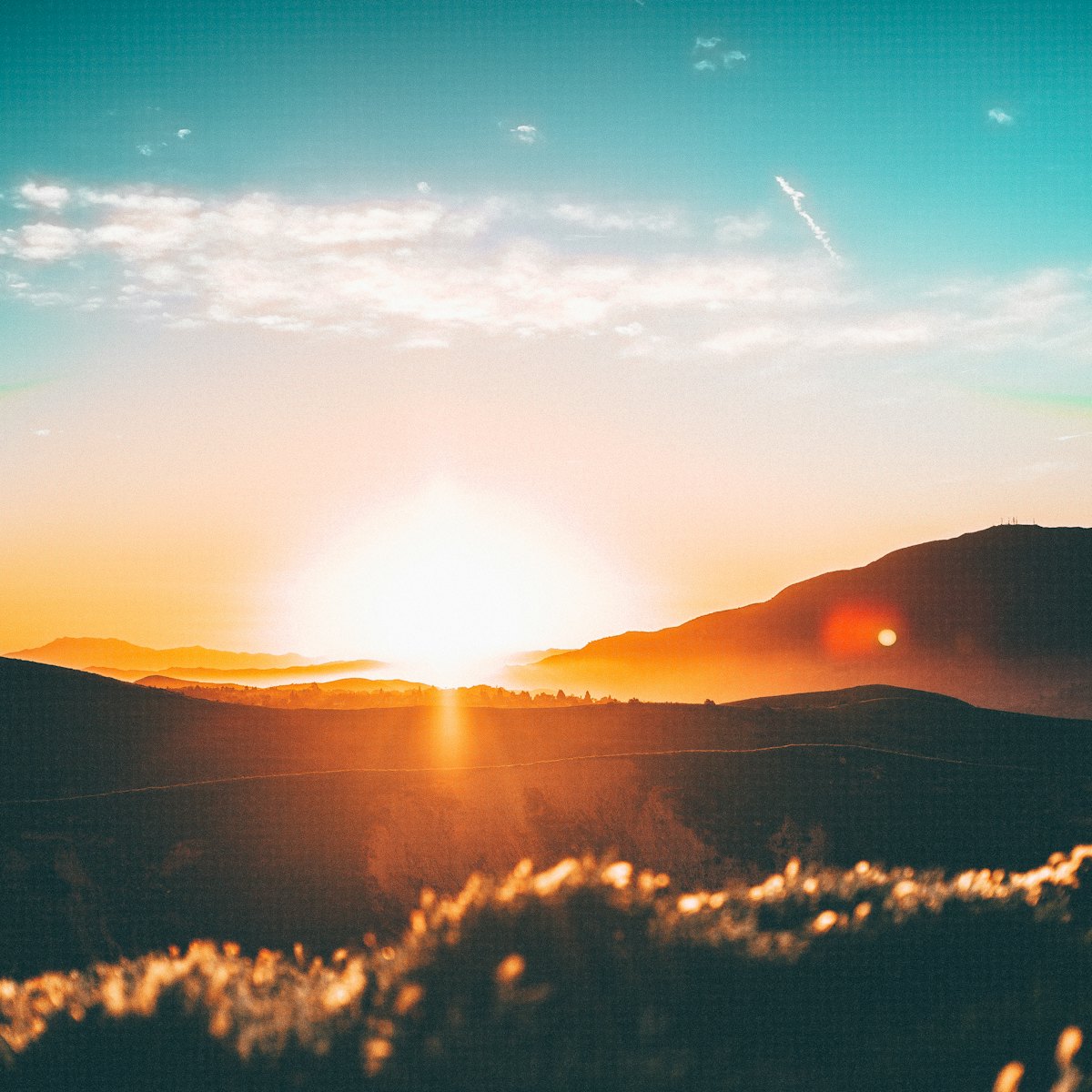
Here’s the entire recipe, and it fits on a sticky note: get outside within an hour of waking and stay out for twenty to forty minutes, walking at whatever pace your body votes for. That’s it. No gym, no tracker, no special clothes. “Coffee on the porch counts. Tea on the front steps counts.” The walk doesn’t need to be exercise in any inspiring sense, and your sleep doesn’t check your outfit.
The bar for “counts” is genuinely low on both dials at once. Taking stairs counts. Hauling groceries from the far end of the parking lot counts. On the light side, the grayest January sky over the ugliest parking lot is still ten to a hundred times brighter than your kitchen with every bulb burning, so the gray day is not an excuse, just a reason to stretch the dose toward thirty or forty minutes.
My own version is exactly this, minus ambition: coffee out the front door within ten minutes of waking, no phone, walking to the corner and back on gray days. It’s the least impressive habit in my week and the one I’d defend hardest.
Grace did it by accident, with a dog
Grace adopted an anxious terrier mix with the bladder of an hourglass. The dog wanted out at 7:15, every day, sleet included, so Grace stood at the end of her driveway every morning because a fifteen-pound animal insisted. She didn’t change her bedtime, her coffee, or her screens. Nothing else moved.
Two or three weeks in, she noticed she was falling asleep fast, lights-out-by-10:40 fast. A leashed terrier feels nothing like medicine, so it took her another month to connect the change to the dog. Then she tested it without meaning to: a rainy February week with shortened walks brought some of the old restlessness back, and the routine settling back in settled her nights too.
That’s the double win in one story. Grace was doing moderate movement in outdoor light at the same early hour daily, and both dials got serviced by a dog with opinions. If you want the same effect without adopting a animal, staple the walk to something that already happens at the same time every morning. “Motivation is a terrible scheduler. Anchors work.”
When the morning is impossible
Some jobs eat the first hour, and the fix is repair, not surrender. Light at 10 a.m. still beats a fully indoor day, and a lunchtime walk breaks up what the clock experiences as one long undifferentiated beige. Bill works in a windowless basement office and couldn’t restructure his mornings at all, so he repaired after: twenty minutes outside with a sandwich, four or five days a week, gray days included. The noon walk isn’t the same signal as the first-hour dose, and pretending otherwise would be dishonest. It’s a patch that keeps the week from falling apart.
One more honest boundary, because this post would otherwise smell like a fitness sermon. Morning exercise plus light will not knock you out at bedtime on night one. What light actually does is shift the timing of your clock, and timing is the kind of change that shows up over days. Grace’s change took two or three weeks to become obvious. Give the habit a fair two weeks before you judge it, and if you keep a sleep log, the trend shows up there before your memory believes it.
And if your evenings are the only window you own, that’s survivable too. The old rule about never exercising after six has shown weak support when researchers actually test it. Finish hard efforts an hour or two before bed and you’re fine; a workout at night is not sabotage. The morning slot is simply where the light bonus lives.
Frequently asked questions
Does exercising in the morning light improve sleep more than either alone?
They work on different dials, movement on pressure and light on the clock, and the stack anchors both at the same hour. That’s why the pairing tends to outperform either habit floating alone.
How long should a morning walk be to count?
Twenty to forty minutes covers both jobs on a gray day; ten minutes of real sun covers the light job by itself. Gray mornings want the longer dose.
Do I need to work out hard for it to count?
No. People who move at all sleep better than people who don’t, and the jump from nothing to something is the biggest jump available.
What if I can’t get outside before work?
Take the next best slot. Light at ten still beats a fully indoor day, and a lunchtime walk is repair, not replacement. Every rung below the first hour still counts.
Should I drink coffee during the morning walk?
Bring it; coffee on the porch counts as a light dose. Just keep the day’s last caffeine well before evening, because the walk doesn’t cancel an afternoon cup’s half-life.
Tomorrow, with the coffee
Pick the smallest version that survives your worst Tuesday. For most people that’s coffee out the door, ten to twenty minutes on foot, phone left inside, repeated at roughly the same hour. Give it two weeks before the verdict. If it isn’t working, you’ll know from the log, and you’ll have lost nothing. The full day-and-night system, worksheets included, is in Sleep, Finally. The sky is free either way.
This guide is educational, not medical advice. If you have a heart condition, an eye condition, or joint problems that affect exercise, clear a new routine with your doctor first.