Morning Light & Sleep
Morning Light and Melatonin: The Timing Chain
By Nora Vale · April 25, 2026 · 7 min read
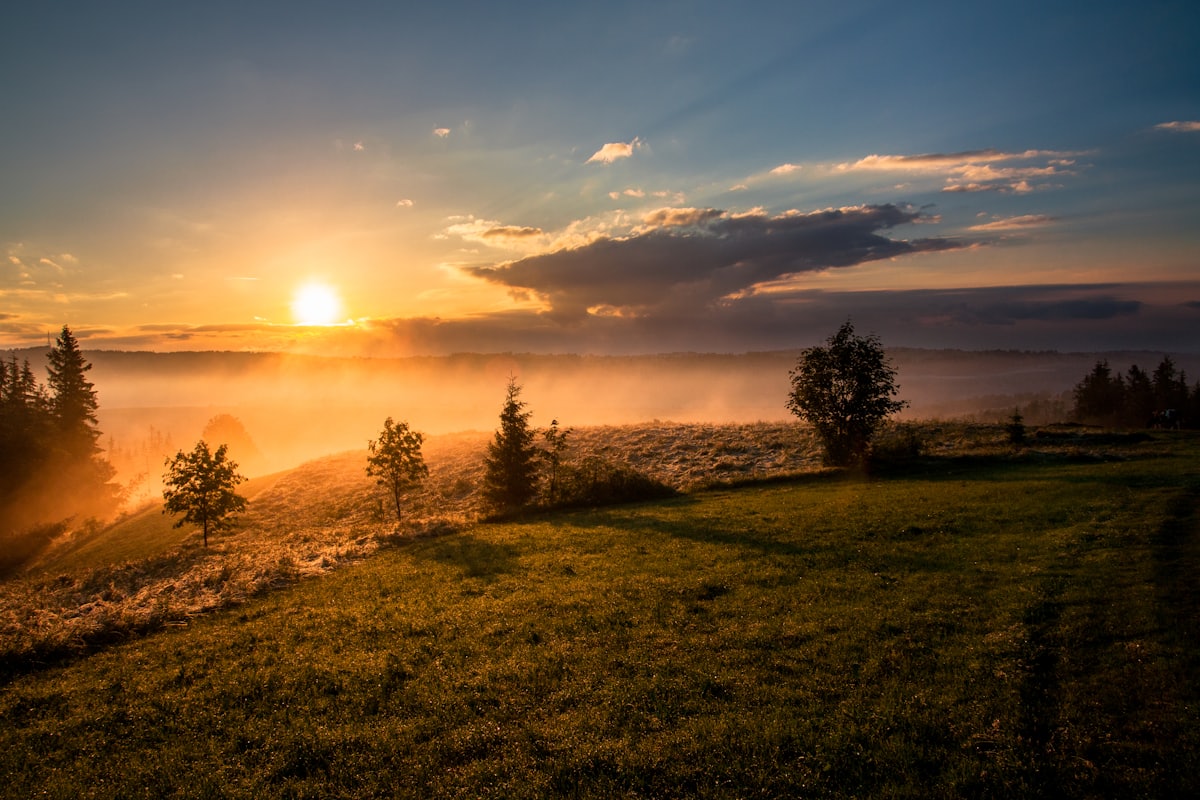
The pill bottle in my bathroom cabinet says melatonin on it, five milligrams, bought during a year when I thought sleep was a chemistry problem. It sat there unopened for two years before I understood the joke, which is that my body had been manufacturing the same hormone, in exactly the right dose, on a schedule it was trying to keep, and my job had merely been to stop standing in the way. The morning light and melatonin relationship is a timing chain, not a supplement question: light in the morning sets the clock, the clock schedules tonight’s melatonin rise, and the rise unlocks the door to sleep. The full chain is in the morning light and sleep guide, and this post follows it link by link.
Key takeaways
- Melatonin is a darkness signal, not a sedative: it unlocks the door to sleep, it doesn’t shove you through it.
- The rise starts about two hours before your usual bedtime, but only in dim light.
- Morning light in your first waking hour anchors the clock that schedules tonight’s rise; noon light is lovely but it’s a different signal.
- Evening brightness holds melatonin back, and even 100 lux can measurably delay it.
- The chain works on a scale of weeks. Give it days, not nights.
What melatonin is, and what it isn’t
Start with the gland, because it’s smaller than the industry built around it. Tucked near the middle of your brain sits the pineal gland, a thing about the size of a grain of rice, and it spends daylight hours doing close to nothing. “When the light reaching your eyes gets low and stays low, the gland starts releasing melatonin into your blood, and that single chemical message tells every organ you own that night is officially happening.”
The distinction that matters more than it sounds: “Melatonin isn’t a sedative. It’s a darkness signal.” A sedative forces the state. A signal opens conditions. “Melatonin doesn’t shove you into sleep. It unlocks the door, dims the hallway, and lets sleep walk in on its own.” That’s why the supplement version always felt like a hall of mirrors to me: the pill raises the darkness signal without the darkness, and the body gets a chemical message about night at ten p.m. in a brightly lit kitchen, from a clock that knows better.
In dim conditions the rise starts about two hours before your usual bedtime, give or take, which for most adults lands between nine and eleven. Sleep researchers call that moment the dim light melatonin onset, and it’s one of the cleanest markers of your clock’s timing. From there melatonin climbs all evening, peaks in the middle of the night, and fades to nearly nothing by morning, a tidy mirror of the sun.
The morning link of the chain
Here’s the part the sleep aisle never mentions: tonight’s melatonin rise is scheduled by decisions you make with your eyes in the morning. The body clock, a cluster of some twenty thousand cells behind your eyes, drifts late on its own and needs a daily reset, and the strongest reset signal it accepts is morning daylight. “Morning light pulls the clock’s schedule earlier. Evening light pushes it later.” The first hour after waking does the heavy lifting for that evening’s rise.
Which is why the placement matters as much as the dose. “The same ten minutes at noon is a lovely walk. It just isn’t the same signal.” Coffee on the porch counts, tea on the front steps counts, standing in the yard while a crow judges you counts. It doesn’t need to be exercise, sunny, or productive. It needs to be early and outdoors, because glass and distance cut the dose, and a gray sky still delivers ten to a hundred times what your kitchen can.
The consistency matters as much as the earliness. Light at roughly the same time each morning gives the clock a pattern it can rely on, which is why the habit bolts so naturally onto a fixed wake time, the anchor the whole system hangs from. My own version is ten minutes on the porch with the first coffee, no phone, most days. It remains the least impressive habit I own and, by my ledger, the one that moved the needle most.
The evening link: where the chain usually breaks
The mirror image is where most modern evenings go wrong. Light arriving at your eyes during the melatonin rise tells the gland to hold the hormone back, and the receptors are most sensitive to daylight-carrying wavelengths. The dose is the story: Harvard researchers found even ordinary room-level brightness in the evening, around 100 lux, measurably delayed the rise, and one widely cited Harvard experiment had people read on light-emitting tablets before bed, with melatonin arriving about ninety minutes late and next-morning grogginess riding along as a service charge.
So the evening half of the chain costs nothing and looks like this: dim the house after dinner, lamps instead of ceiling fixtures, the dimmest workable bulbs, one small pool of light per room. The 2022 consensus recommendations suggest keeping evening light under 10 lux in the final three hours before bed, which is stricter than any real household containing children or teenagers, so treat it as a direction, not a test. Every step toward dim is a step your melatonin can actually use, and the full protocol lives in light exposure and melatonin.
The two halves hold each other up. Morning light at a fixed time makes the evening rise arrive on schedule, and a dim evening lets the rise happen when it arrives. Break either link and the other can’t compensate, which is why the person who walks at dawn and then burns bright light at eleven is running the chain with one hand tied.
The honest limits of the chain
The timing chain is real, and it is not fast. “Morning light won’t knock you out at bedtime. Not on night one.” The clock shifts on a scale of weeks, and most people see the first changes after two to three weeks of the habit, which is exactly the stretch where everyone quits. Give it days, not nights, and judge it on a fortnight’s trend rather than tomorrow’s bedtime.
It also has honest individual variance. Some clocks run naturally late, some people’s melatonin onset sits at hours their life can’t honor, and shift workers’ physics differ enough that the clean morning version of this habit needs adaptation rather than repetition; morning light for shift workers — what is realistic covers that without pretending. And persistent sleep problems that survive a well-run chain for months deserve the doctor conversation in the sleep red flags guide, because no light schedule out-argues an untreated condition.
Start tomorrow. First coffee outdoors, ten minutes, no phone, and the lamps up after dinner. The book behind this site, Quiet Core Reset, spends a full chapter on this chain, including the parts the supplement aisle would rather you didn’t read.
Frequently asked questions
What does melatonin actually do?
Melatonin isn’t a sedative. It’s a darkness signal: when light reaching your eyes gets low and stays low, the pineal gland starts releasing it, telling every organ that night is officially happening. It unlocks the door to sleep rather than shoving you through it, and the rise starts about two hours before your usual bedtime in dim conditions.
How does morning light affect melatonin timing?
Morning light pulls your body clock earlier and anchors its schedule, which sets when tonight’s melatonin rise begins. Light in your first waking hour does the heavy lifting for that evening’s rise; the same ten minutes at noon is a lovely walk, but it isn’t the same signal.
Does evening light delay melatonin?
Yes, measurably. Harvard researchers found even ordinary room-level brightness in the evening, around 100 lux, delayed the melatonin rise, and a widely cited Harvard experiment had tablet readers’ melatonin arrive about ninety minutes late. That’s why dimming the house after dinner is the mirror of the morning walk.
When does the melatonin rise naturally start?
In dim light, about two hours before your usual bedtime, give or take an hour, which lands most adults somewhere between 9 and 11 p.m. Sleep researchers call that moment the dim light melatonin onset, and it’s one of the cleanest markers of your clock’s timing.
How long until morning light changes my sleep?
It works on a scale of weeks, not nights. The clock shifts slowly, and most people notice the first changes after two to three weeks of consistent morning light at a consistent time. Miss a morning, nothing breaks; the pattern over weeks is what the clock reads.
This guide is educational, not medical advice. If you take melatonin or other supplements, or sleep problems persist despite consistent light habits, discuss timing and causes with a doctor.