Alcohol & Sleep
New Parents and Nightcaps: Why the Trade-Off Fails
By Nora Vale · December 29, 2025 · 7 min read
Nobody needs a lecture about sleep while raising a newborn, and this isn’t one. But the nightcap makes a specific promise to new parents, fast sleep in the small window you get, and the promise has a catch buried in the second half of the night. New parents and nightcaps meet at the worst possible exchange rate, and it’s worth seeing the arithmetic before you trade. The chapter behind this piece sits inside my alcohol and sleep guide.
Key takeaways
- The nightcap’s fast sleep is sedation, and the rebound wakes you between 2 and 3.
- Fragmented nights are already the job. The drink fragments them further, invisibly.
- “Full hours, empty rest” is the signature of sedation, and parents can’t afford empty hours.
- Keep the ceremony, fire the chemistry: the mug, the shower, the same chair, the same hour.
- If you drink, fewer, earlier, with food, and dry before the on-call shift.
The trade you think you’re making
The pitch the nightcap makes is simple, and on the surface it fits a parent’s life perfectly. You get one window tonight, maybe ninety minutes before the next feed, and the drink shortens the time it takes to fall asleep. That part is true, and a chapter that pretended otherwise would be useless. “If you’ve ever fallen asleep faster after a couple of drinks, you weren’t imagining it. You were sedated.” On a night with a baby monitor in it, ninety fast seconds feels like a bargain.
The bargain has a second clause nobody reads out. Sedation and sleep are different things, the way being put under for surgery is different from napping. A sedated brain isn’t performing the night shift of repair and filing. It’s been locked out of the building, and the work either goes undone or gets shoved into the small hours, until the sedative thins enough for the doors to open again. “Full hours, empty rest.” You slept ninety minutes and arrived at the next feed stored rather than rested, which is the one outcome a parent with a 2 a.m. shift cannot use.
Why the rebound lands on the worst hours
Here’s the schedule. The liver clears alcohol at roughly one drink per hour, and as the sedative falls, the body reacts to its leaving much the way it would react to a stimulant arriving: arousal, warmer skin, a faster pulse, a brain that surfaces and decides to stay up. For a standard evening pour, that handoff lands between 2 and 3 in the morning. “It isn’t bad luck. It’s a timetable.” The nightcap doesn’t just shorten your window. It aims its side effects at the exact hours the baby’s night runs.
New parents are already the most fragmented sleepers in the house, and fragmentation you caused is somehow worse than fragmentation the baby caused, because it’s deniable. The feed or the diaper is visible and forgivable. The shallow, choppy second half after two glasses looks like just another rough night, and nobody connects it to the glass standing three rooms away, “innocent as a museum piece.” The evidence never testifies. It happened while you were out.
What the drink was actually for, and its honest replacements
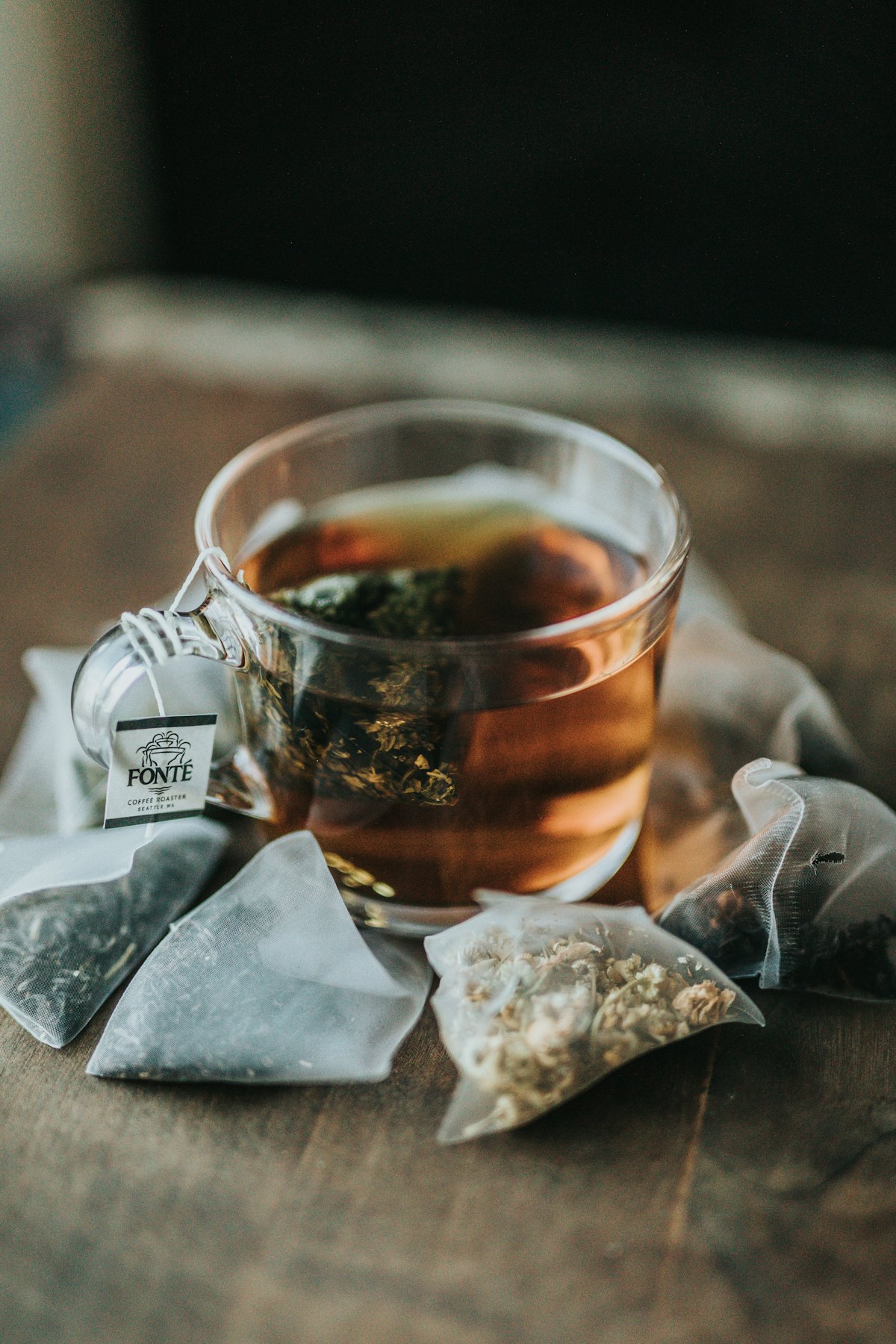
The evening drink was never really about alcohol. It’s a border, the ceremonial last act that tells your brain the day has been put away and it can stand down, and no day needs putting away more than a day with a newborn. The ritual instinct is genuinely wise. Only the chemistry was undermining it, so the fix is keeping the ceremony and firing the chemistry: the mug in the same chair at the same hour, the shower, the stretch on the floor, ten pages of a paper book. The point was never the liquid. The point was the hour it marked. The fuller construction of that border is in what to do the hour before sleep.
And no, the tea itself isn’t sedating anybody, the evidence for sleepy herbs is thin, but the ritual is real, and the ritual was the part the nightcap was providing. If a glass of wine at the end of the baby’s first settled evening is the thing that kept you sane this week, the scale has rungs rather than a purity badge: fewer, earlier, with food, and dry before the on-call shift. A glass with dinner beats the same glass at 10:15 by a wide margin, because the liver clears roughly one drink per hour and the rebound follows its schedule.
The two-week version, if you want proof
The test is two weeks without evening alcohol, everything else unchanged, with a log that puts the drink column next to the wake column. With a newborn the nights are chaos by design, which is exactly why the log helps: it separates the baby’s wakings from the ones with your fingerprints on them. Expect the second half of the night to improve first, easier returns to sleep after feeds, mornings that open without a post-mortem.
If two honest weeks move nothing, alcohol wasn’t your thief, and a cleared suspect is still a good experiment. And one paragraph said once, with respect: if the evening drink is the mechanism that makes the sleep-deprived days survivable, say it plainly, without shame, and take the honest next step, a doctor. “Shame has never helped anyone drink less,” and doctors know better switches. The book behind this chapter, with the full evening protocol, is Sleep, Finally. Keep the chair and the hour. Trade the chemistry for a mug, and let the rebound find someone else’s night.
Frequently asked questions
Why is a nightcap worse for new parents than for other people?
Because the rebound wake-up lands between 2 and 3 a.m., which is exactly when the baby’s night runs, and a sedated first half plus a fragmented second half is the worst trade for parents already short on sleep. The drink doesn’t shorten your window. It aims its side effects at the hours you need.
Doesn’t the drink help me fall back asleep after the feed?
It sedates, which is different from restoring. Full hours, empty rest. The sleep it buys is the kind that doesn’t survive the next waking, and the debt lands on the least rested person in the house, which is the arithmetic that makes the trade fail.
What can replace the nightcap ritual?
Keep the ceremony and fire the chemistry: the mug in the same chair at the same hour, the shower, ten pages of a paper book. The point was never the liquid. The point was the hour it marked, and the border is what the drink was actually providing.
If I do drink, what’s the least damaging version?
Fewer, earlier, with food, and dry before the on-call shift. A glass with dinner beats the same glass at 10:15 by a wide margin, because the liver clears roughly one drink per hour and the rebound follows its schedule. Every rung down buys back part of the night.
This guide is educational, not medical advice. If you are breastfeeding, taking medication, or drinking to cope with postpartum exhaustion or low mood, that’s a conversation for a doctor rather than a blog post.