Hormones & Sleep
Night Sweats or Hot Flashes: Which Is It
By Nora Vale · November 15, 2025 · 7 min read

The pillow-flip was my signature move for two years. Heat wakes me at 2:20, I flip the pillow to the cool side, cool side lasts ninety seconds, flip again, and somewhere around the fourth flip I’m fully awake, damp, and doing the math on how many hours remain before the alarm. If you’re trying to figure out night sweats vs hot flashes and why the distinction matters for sleep, here’s the short version: the flash is the wave, the night sweat is the bill the wave leaves behind, and the bill is what actually costs you the night. The wider territory of hormones and sleep is in the hormones and sleep guide; this post is just the heat.
Key takeaways
- A hot flash is the heat event, minutes long. Night sweats are that event during sleep, plus the soaked aftermath.
- The heat rarely does the sleep damage alone. “The heat starts it. The worry finishes it.”
- Your thermostat got moved, not broken. Effort is the one thing this window doesn’t need.
- The cooling playbook, cool room, layered bedding, fan, wicking fabric, buys fast returns to sleep, not immunity.
- A fourteen-day trigger log beats memory, which rounds off Tuesdays, and gives you real evidence for a doctor.
Same machinery, different invoice
The two terms describe one event wearing different costumes. A hot flash is a sudden wave of heat, usually across the chest, neck, and face, sometimes with sweating and a racing heart, that rises fast, peaks within a couple of minutes, and fades. Night sweats are the same machinery running while you’re asleep, which changes the experience completely: you don’t watch the wave arrive, you wake up inside its wreckage, sheets damp, hair wet at the hairline, pillow warm on both sides because you’ve already flipped it once without knowing.
That’s why the distinction matters for sleep and barely matters for anything else. A daytime flash is an inconvenience; it arrives, embarrasses you in a meeting, and leaves, and your day absorbs it. A nighttime version arrives inside sleep, and the wake-up it causes is the whole problem, because you’re not just cooling down, you’re awake at 2:30 with nothing to do but notice how awake you are.
I spent a season blaming my workload, since the workload was right there and blameable. “I spent a season blaming my workload. The workload hadn’t changed. My forties had.” The heat was the visible event. What it was doing to my nights was invisible until I stopped treating the 2 a.m. wake-ups and the daytime flashes as two separate problems, which is exactly the confusion the terminology encourages.
The heat starts it, the worry finishes it
Here’s the part nobody told me, and it’s the reason a two-minute temperature event can cost an hour of sleep. The flash itself is brief. But waking soaked at 2:40 with a pounding heart hands the night to your mind, and the mind has opinions. How many hours left. How wrecked tomorrow will be. Whether this is normal or a symptom. Each round of that is arousal, and arousal is what keeps you up long after your skin temperature has returned to normal.
“The heat starts it. The worry finishes it.” The sequence matters, because it tells you where the two different fixes go. Cooling gear addresses the heat. Nothing about a fan addresses the arithmetic, which is why people buy excellent bedding and still lie awake, then conclude the bedding failed. It didn’t. It did its job in the first two minutes, and the next fifty-eight belonged to the mind.
So the honest playbook has two halves. The cooling half is physical and boring, and I’ll give it to you in a moment. The mind half is the same toolkit from every other sleepless night: don’t check the clock, don’t do tomorrow’s math, and treat the 3 a.m. conclusions as drafts rather than decisions. If your mind reliably takes over after a wake-up of any kind, the 3 a.m. wake-up guide covers that half properly.
The cooling playbook
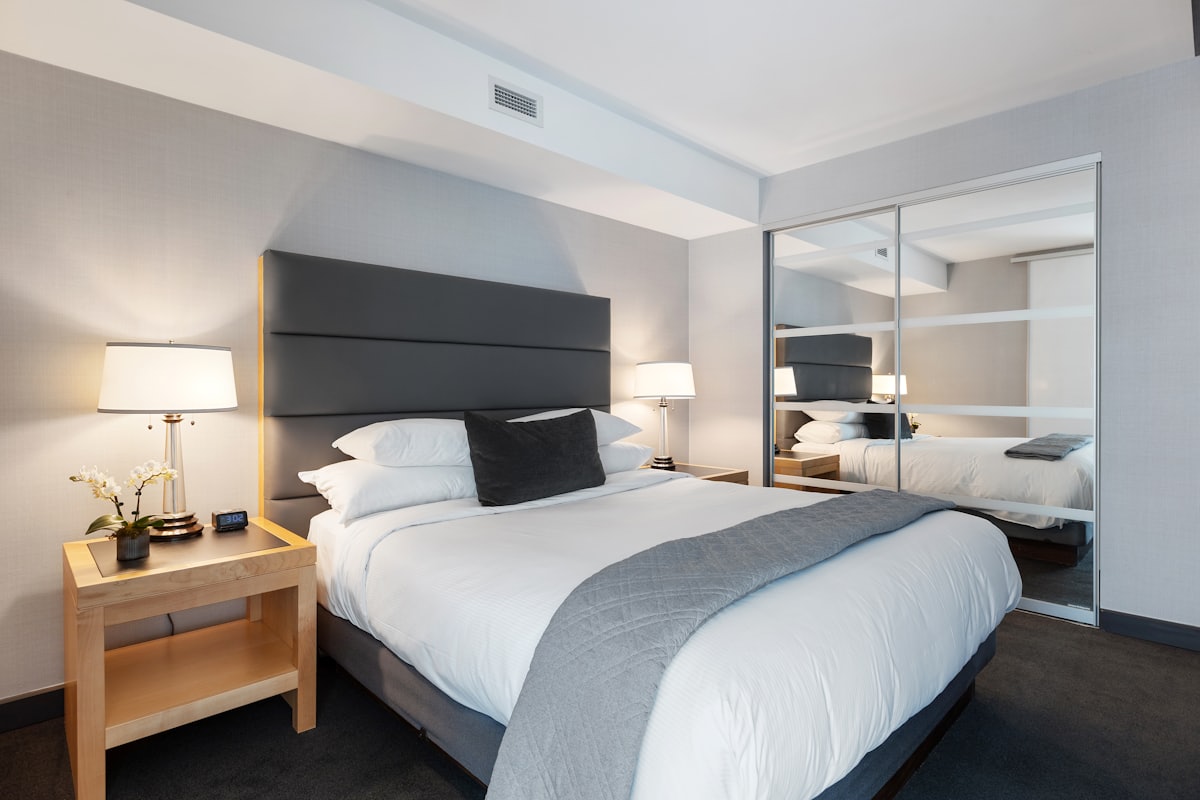
The gear, laid out where your half-asleep hands can find it, does most of the physical work. A bedroom at the cool end of the 65-68°F range is equipment, not luxury, and the partner can wear socks. Layers instead of one heavy duvet, so you can shed in stages rather than throwing everything off and freezing twenty minutes later. A fan within arm’s reach is a fire extinguisher for flushes, and moisture-wicking fabric, synthetic or merino rather than cotton, sounds like marketing copy and works anyway, which I resented.
Two smaller items earn their place. A cool pack in a towel, at the bedside, for wrists and neck at the moment of a wave. And a warm shower an hour or two before bed, which sounds backwards until you know the mechanism: warm water pulls heat to the skin, you step out, your core temperature drops as it escapes, and a falling core temperature happens to be one of the body’s oldest sleep signals. You’re not preventing the waves. You’re engineering a fast, boring return to sleep after each one, and boring returns are the whole game.
What the playbook can’t do is promise the waves stop. Some women’s do quiet down with these measures, and some waves arrive regardless of the thermostat, and telling you otherwise would be selling something. What the gear reliably buys is a shorter wake-up per event, and if your events cluster after wine or spicy dinners, the fourteen-day log will tell you that too, since “Memory is a terrible statistician. It rounds off Tuesdays.”
When it’s more than the thermostat
Two things deserve a straight line to a doctor rather than a bedding upgrade. The first is frequency and impact: if soaked nights arrive most weeks despite honest effort with the cooling playbook, that’s not a willpower problem, it’s data, and there are real treatment conversations worth having with a clinician who listens. “Notebooks record. Labs read. I can’t.” A log that honest is exactly what makes those appointments useful, because it turns “I sleep badly” into fourteen dated lines.
The second is character. Sweats that are drenching rather than wave-like, one-sided, or arriving with other symptoms, unexplained weight change, fevers, a heart that races without any heat at all, are not perimenopause by default and shouldn’t be filed that way, least of all by you. Hormones are the common explanation in this decade of life, and common is not the same as exclusive. The same night sweat that means nothing in one woman means something in another, and the only person who can tell the difference is one who can examine you.
One last honesty: if you cool the room, log the triggers, and the sleep is still thin, it may be that the heat was only one thief and a quieter one, falling progesterone, is doing its work in the next room. That’s not you failing the checklist. That’s two lopove in one house, and it’s exactly the finding that belongs in front of a doctor.
Frequently asked questions
What is the difference between night sweats and hot flashes?
A hot flash is the sudden wave of heat, daytime or night, that arrives, peaks in minutes, and passes. Night sweats are that same wave arriving during sleep, plus everything that follows: soaked sheets, a flipped pillow, and the long wake-up while your body cools. The heat event is short. The sleep damage lives in the aftermath.
Why does a flash that lasts two minutes wake me for an hour?
Because the heat is only the opening act. “The heat starts it. The worry finishes it.” While your body cools, your mind is wide awake doing arithmetic about the alarm, and a five-minute temperature event becomes a sixty-minute wake-up with the mind’s help.
Can I tell from one night whether it’s hormonal?
No, and nobody honest will try. Memory is a terrible statistician. A fourteen-day trigger log, one line each morning, is the cheapest way to find your actual pattern, including non-hormonal contributors like alcohol, spicy food, and a room that’s simply too warm.
What actually helps at the moment of a night flash?
Have the cooling playbook laid out before bed: a room at the cool end of 65-68°F, layered bedding you can shed in stages, a fan within reach, and moisture-wicking fabric rather than cotton. The goal is a fast, boring return to sleep, not preventing every wave.
When should I stop self-managing and see a doctor?
When the nights are bad most weeks despite honest effort, or when the sweating is drenching, one-sided, or comes with other symptoms. Self-help has a border, and hormone questions belong to a clinician who can actually read them. You deserve a doctor who listens.
The fan lives on my nightstand now, pointed at nobody until 2 a.m., and the pillow-flip has mostly retired. The waves still come some weeks. They cost twenty minutes instead of an hour, because the sheets dry a person and the mind has agreed to skip the arithmetic, and both halves of that arrangement came out of Sleep, Finally.
This guide is educational, not medical advice. If night sweats are frequent, drenching, or accompanied by other symptoms, see a doctor before deciding they’re hormonal.