Hormones & Sleep
Poor Sleep Is Not a Normal Part of Aging
By Nora Vale · June 16, 2026 · 6 min read

There’s an agreement most families have signed without a meeting. It says that somewhere in your sixties, sleep just gets worse, everyone knows this, and asking questions about it is fussing. The person in the agreement usually signs too, sometimes gratefully, because a diagnosis of age requires nothing from anybody. If you’ve signed it, or watched someone you love sign it, I want to walk through the sleep and aging myth properly, because the book’s version is both more honest and more hopeful: some of sleep’s changes with age are real, and some of what we file under age is a burglary nobody reported.
The hormones and sleep guide puts it in two sentences that deserve to travel together: “Age explains lighter sleep. It doesn’t explain the television.” And: “Age sets the terms. It doesn’t write the whole contract.”
Key takeaways
- Deep sleep does decline with age; the need for sleep barely does. Seven to eight hours is still the target past 65.
- Lighter sleep explains easier waking. It doesn’t explain a drifted bedtime, a warm room, or a long nap.
- Some of what gets filed under age is testable and adjustable, and testing it costs nothing.
- Unrefreshing sleep plus loud snoring with pauses deserves a doctor, at any age.
- Good sleep at seventy matters more, not less, because a fragile system has no surplus to waste.
What actually changes, honestly
Start with the real part, because the myth survives by sitting next to truth. The deep, heavy portion of sleep, the slow-wave sleep that does much of sleep’s physical restoration work, does decline across adulthood. That’s measurable, it’s real, and it’s why sleep gets lighter: a lighter sleeper wakes more easily from noise, light, temperature, and their own bladder. The book doesn’t pretend otherwise, and neither should anyone.
What barely declines at all is the need. “The National Sleep Foundation still calls for seven to eight hours a night for adults over 65, essentially the same target as everyone else.” That gap between what gets lighter and what’s still needed is where the trouble lives. A 66-year-old who sleeps six shallow hours isn’t finished needing sleep; she’s been shortchanged and told the shortage is her age.
The book’s honest summary of the research is worth quoting in full: “good sleep remains possible at every age but grows more fragile, like balance or handwriting. You can still work on it.” Fragility is the honest terrain. It changes the maintenance schedule, not the possibility.
The part the myth is hiding
Here’s where I get critical of the agreement, because the book is. “You’re 66, you fall asleep fine in front of the nine o’clock news, you wake at four for no reason you can name, and everyone including you has agreed to call it age and stop asking questions. You don’t have to sign that agreement. Some of what gets filed under age is lighter sleep doing what lighter sleep does, and some of it is a bedtime that drifted, a room that got warmer, a nap that got longer, all of it testable and most of it adjustable.”
The bedtime drift is the quiet one. Lighter sleep plus retirement makes going to bed at 8:30 feel reasonable, but an early bedtime on a body that isn’t ready is a recipe for a 3 a.m. wake-up, and the wake-up gets blamed on age rather than on the arithmetic. The warm room is next: sensitivity to heat rises with age, and a bedroom that was fine at 55 wakes you at 70. The long afternoon nap completes the loop: more daytime sleep, less nighttime pressure, another 4 a.m. wake, more proof of age. The book’s own line on the loop is sharp: “Age explains lighter sleep. It doesn’t explain the television.”
None of these fixes are exotic. The bedroom work is the same at every age, and bedroom setup for better sleep, best temperature for sleep, and why 65 to 68 degrees is the sleep sweet spot cover it. The nap question has its own honest answer at should older adults nap during the day. The fundamentals, fixed wake time, morning light, caffeine cutoff, wind-down, do the same job at 70 as at 40, and the book argues they matter more: “a fragile system has no surplus to waste on a 9 p.m. espresso or a bedroom bright enough to read by.”
The testable-and-adjustable checklist
The book’s move, and the one worth copying, is to stop arguing about whether it’s age and start testing what’s testable. In practice that means running an honest audit of the things the myth is hiding behind:
- Has the bedtime drifted earlier while the wake time stayed late, or vice versa? The fixed wake time is the anchor; how to wake up at the same time every day covers building it.
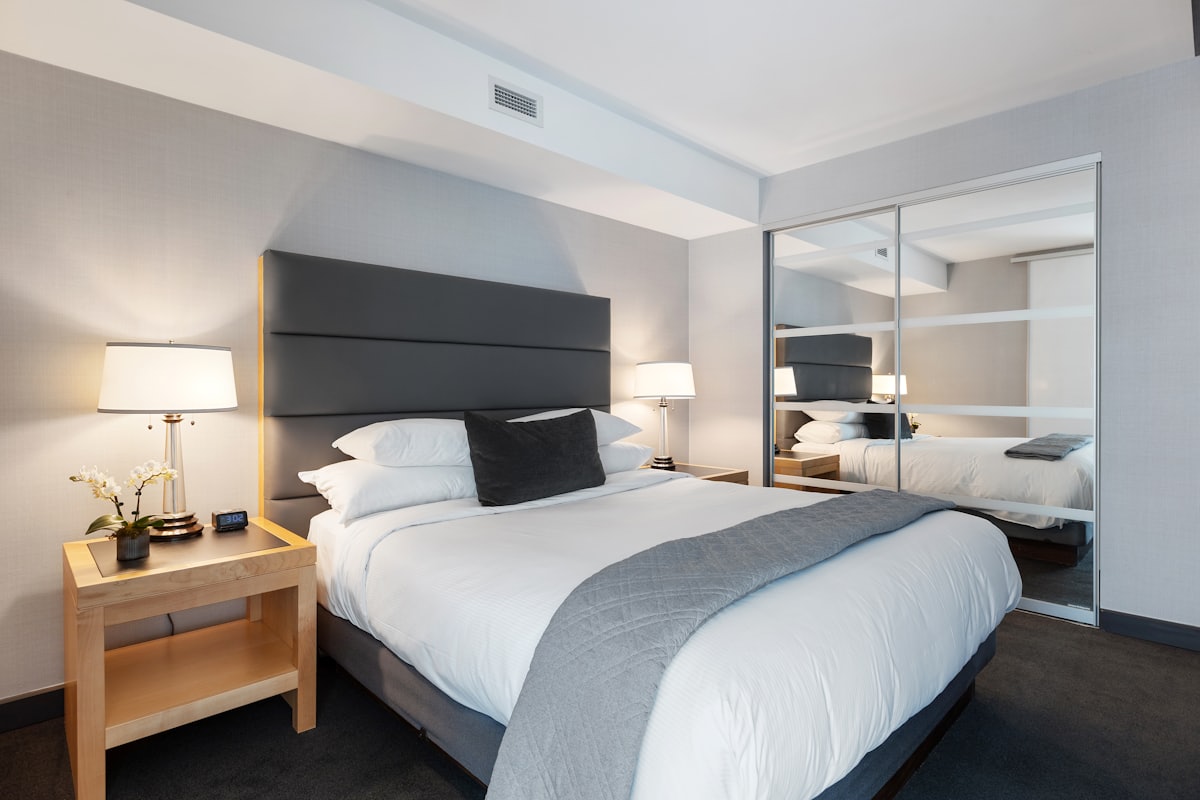
- Is the bedroom actually dark and actually cool, or just “dark enough” by a standard that slipped?
- Has the afternoon nap grown past twenty or thirty minutes, or moved later into the day?
- Is caffeine happening later than it used to, or more of it, because mornings feel harder?
- Is there a wind-down at all, or does the evening end with a television and a nod?
That’s a two-week log, not a lab. The book’s method, one honest line a morning about last night, finds patterns memory rounds off, covered at light and the sleep log: what to track for two weeks. If two weeks of records show nothing but genuinely lighter sleep, that’s a real answer too, and it points toward the acceptance part of the deal rather than the adjustable part.
What lighter sleep doesn’t excuse
The myth has a darker cousin, and it’s worth naming: the assumption that bad sleep in old age can’t be a medical problem. It can. The book’s hormones chapter draws the line where self-help should stop and a doctor should start, and aging has its own version: loud chronic snoring with witnessed pauses, waking unrefreshed night after night, morning headaches. That trio is sleep apnea territory at every age, and in older adults apnea is common and badly underdiagnosed. “Old is not a diagnosis” is the chapter’s section title, and it earns the spot: apnea, thyroid problems, medication side effects, and depression all wear aging’s clothes in the bedroom.
There’s also the resignation problem, which deserves its own honesty. If sleep problems in an older relative are being managed by nobody because “it’s just age,” the testing above is worth doing before that agreement hardens. And if the first clinician shrugs, the book’s answer from the menopause section applies here word for word: “that’s just your age” isn’t a diagnosis, it’s a shrug with a stethoscope, and finding another doctor is allowed. Sleep apnea signs in older adults and why night wakings increase with age cover the medical territory specifically.
The hopeful version of the deal
I want to end on what the book actually offers, because it isn’t false comfort and it isn’t resignation either. “Hormones change the rules of the game. They don’t cancel it.” Aging works the same way. The fundamentals, the fixed wake, the morning light, the cool dark room, the caffeine cutoff, the worry written down at six instead of rehearsed at midnight, are the same boring moves that work at every stage, and at older ages they’re not optional polish. They’re the difference between fragile and failing.
If you’re reading this for yourself, the two-week log is the move. If you’re reading it for a parent, the kindest version isn’t a lecture about sleep hygiene. It’s a cooler room, a question about the bedtime drift, and an offer to bring the log to the next appointment if the waking doesn’t improve. Sleep in your 60s: what changes and what does not and sleep in your 50s: what changes run the decade-by-decade version.
Honest limits
Some of what age does to sleep is real and not fully fixable, and pretending otherwise would be its own myth. Lighter sleep stays lighter. You can reduce the fragments, the noise, the light, the heat, but a seventy-year-old’s sleep will never look like a thirty-year-old’s on a hypnogram, and chasing that with gadgets and supplements is the story the book tells you not to buy. The honest goal is better, not younger: fewer avoidable wake-ups, a sleep window that produces what the body needs, and a medical check where one is due.
The other limit: a blog can’t distinguish lighter sleep from apnea, thyroid problems, or medication effects. That distinction belongs to blood work and a clinician, and if sleep has come apart for months despite honest effort, the notebook has done its job the day it earns you an appointment.
Frequently asked questions
Is poor sleep just a normal part of aging?
That’s the sleep and aging myth, and it’s only half true. Deep sleep does decline with age, but the National Sleep Foundation still calls for seven to eight hours for adults over 65, essentially the same target as everyone else. Good sleep remains possible at every age; it grows more fragile, and fragile is not the same as broken.
What actually changes about sleep as we age?
The deep, heavy portion of sleep thins out, so sleep gets lighter and easier to fragment. But the need for sleep barely declines at all. Lighter sleep explains waking more easily; it doesn’t explain a drifted bedtime, a warm room, or a too-long afternoon nap, which are all adjustable.
Why do I wake at 4 a.m. for no reason?
Lighter sleep is part of it. But the book’s warning is that some of what gets filed under age is a bedtime that drifted earlier, a room that got warmer, or a nap that got longer, all of it testable and most of it adjustable. Age sets the terms. It doesn’t write the whole contract.
When should an older adult talk to a doctor about sleep?
When sleep has come apart and stayed apart for months despite honest effort, or when unrefreshing sleep comes with loud snoring, witnessed pauses, or morning headaches. Sleep apnea in older adults is common, underdiagnosed, and very treatable, and “that’s just your age” isn’t a diagnosis.
The complete picture of what changes across the decades and what still responds to work, is in Sleep Finally.
This article is educational, not medical advice. If sleep problems last months despite honest effort, or come with snoring pauses and morning headaches, that’s a doctor conversation.