Morning Light & Sleep
Pre-Dawn Light: Does Twilight Count
By Nora Vale · August 1, 2026 · 6 min read

The alarm goes off at 6:05 in December and the sky is still deciding whether to exist. For years I took one look at that darkness and went back to bed with the reasoning that light was a daytime product and I’d catch the lunchtime version. My body clock drifted later every winter, and I blamed the season as if it were weather happening to me rather than a signal I was declining to send.
So, does twilight count. The question deserves a straight answer, because winter mornings are exactly when the light routine matters most and exactly when everyone assumes it’s cancelled. The full framework is in the morning light and sleep guide, and this page handles the pre-dawn corner of it honestly, discount included.
Key takeaways
- Pre-dawn light counts: the twilight sky is still dramatically brighter than your house.
- The dose runs longer at twilight, so stack a short outdoor step with bright indoor light.
- Turn the lamps on, all of them, and eat by the brightest window; indoor light beats nothing.
- When the sun clears the rooftops, take five minutes of the real thing if the day allows.
- Consistency at the same time matters as much as intensity, so keep the schedule through winter.
The comparison that answers the question
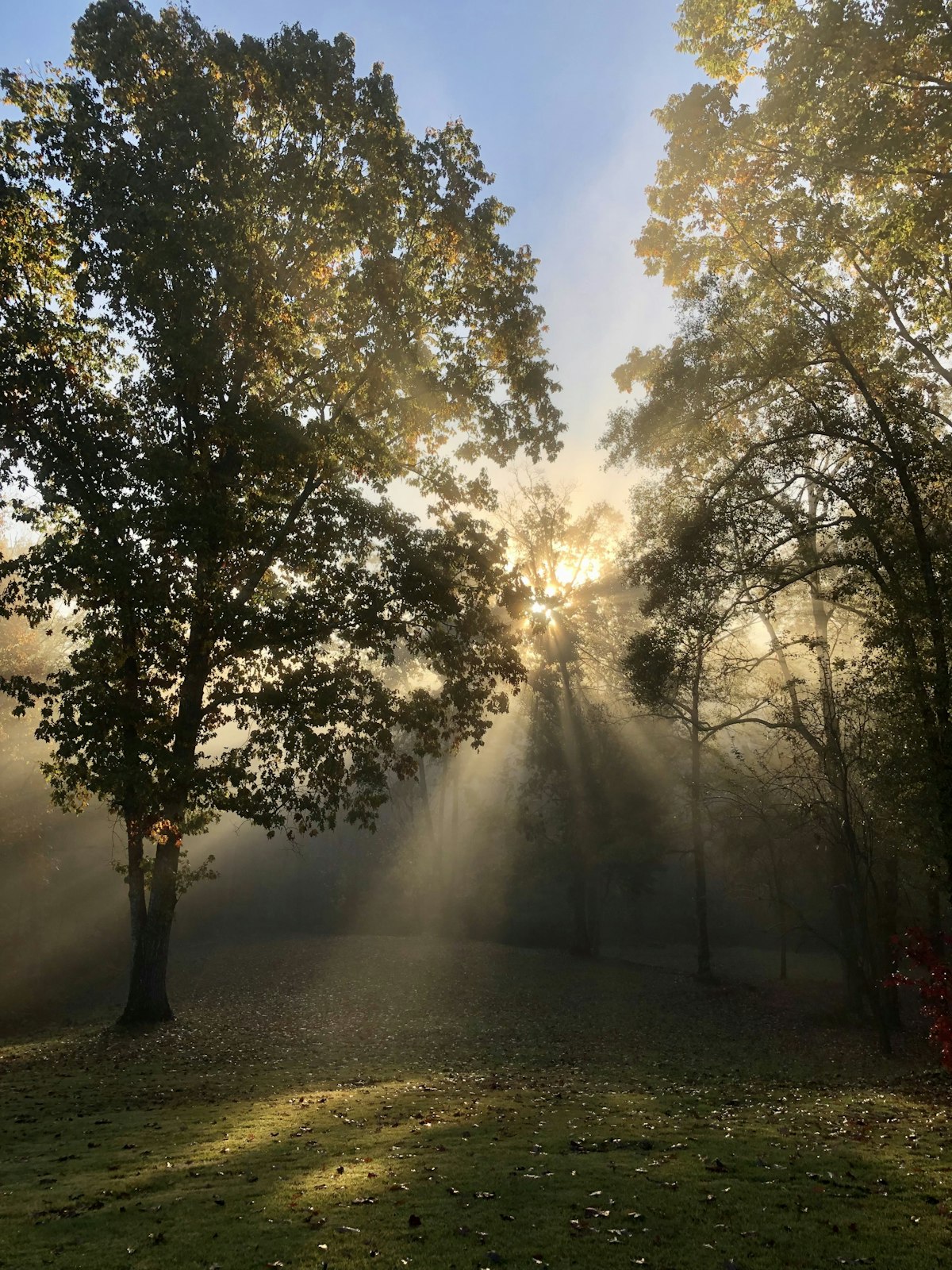
Here are the numbers that settle it. A comfortably lit living room runs about 100 to 500 lux. The pre-dawn sky, even deep in twilight and deep in winter, sits well above that, and full daylight outside runs from 1,000 lux on a gray day past 10,000. Before sunrise, the outdoor sky is still dramatically brighter than your house, so if you can get outside briefly when you wake, do it. Ten minutes of pre-dawn twilight with a mug beats ten minutes under kitchen bulbs by a wide margin.
That’s the whole answer in one comparison. Twilight isn’t the full dose, and pretending it equals noon would be dishonest, but the contest isn’t twilight versus sunshine. The contest is twilight versus your kitchen, and your kitchen loses by an order of magnitude. Your eyes say this is plenty. Your clock says the sun never came up, and it says the same thing about your living room, except the living room is even darker.
The winter-morning stack
Because twilight alone is a discounted dose, the workable version stacks three moves. First, the outdoor step: ten minutes outside when you wake, coffee or tea in hand, no phone, dressed for the weather rather than for an occasion. Second, the indoor assist: come back in and turn on the bright lamps, all of them. Then turn on the bright lamps. All of them. Eat breakfast by the brightest window you have, and when the sun finally clears the rooftops, grab five minutes of it if the day allows. Bright indoor light on waking isn’t the real thing. It beats nothing, though, and nothing is what most houses are currently serving.
Third, the timing anchor: same time every day, including the weekends when the bed argues for the snooze. Light at roughly the same time each morning gives the clock a pattern it can rely on, and earliness matters because light in your first waking hour does the heavy lifting for that evening’s melatonin rise. The same ten minutes at noon is a lovely walk. It just isn’t the same signal.
What I actually do in the dark months
Mine is unglamorous: the coffee goes outside with me in the first ten minutes after the alarm, gray sky or black sky, and I stand on the front steps like a middle-aged woman watching weather happen. In December the sky is still black for most of it, and the dose that time of year runs longer, thirty to forty minutes across the morning rather than ten. That’s the discount, paid in minutes rather than money.
The part I got wrong for years was treating a black December morning as a day off from the whole system. It’s the opposite: the days when the clock most wants a signal are the days with the least sky to send one. A gray sky still outruns every bulb in the house, and the routine itself, dim evenings included, is what keeps the whole week from sliding. The evening half of that bargain is in why dim evenings make morning light work better.
One habit note from the same winter, because pre-dawn is when the routine is easiest to skip and hardest to rebuild. I keep the coat and the mug by the door the night before, which sounds trivial and is the difference between a ten-minute dose and a decision. Decisions at 6:05 a.m. go badly. Objects by the door go well. The whole trick of stacking the dose onto coffee, the dog, or the walk to the car is that you stop voting on it each morning; the vote was held once, in daylight, by a person with better judgment than the one standing barefoot in a dark kitchen wondering whether the sky is technically up yet.
The honest limits
Three caveats, because a pre-dawn page without them would be a brochure. First, twilight is a discount, and in deep winter the dose legitimately runs longer or needs two sessions, so don’t judge the routine by ten December minutes alone. Second, the indoor assist is real but second-tier: lamps and windows help the clock, and they don’t replace the sky. Third, if you wake before dawn for shift work or you’re considering a light therapy box to fill the gap, that’s worth a conversation with a doctor, especially with any eye condition, because boxes vary and eyes vary.
And one more, which is the honest one about expectations: pre-dawn light won’t knock you out at bedtime, not on night one. Light changes timing, and timing shows up over weeks. Grace’s terrier version took two or three weeks to move her falling-asleep time, and mine took about two. If you want the measurement frame for judging whether it’s working, how long morning light covers the dose length in detail, and can you get too much morning light answers the question people ask after week two.
Frequently asked questions
Does pre-dawn light count as morning light?
Yes, with a discount. Twilight is dimmer than full daylight, so the dose runs longer, but the pre-dawn sky is still dramatically brighter than any indoor lighting. It counts toward your clock, and it beats waiting indoors for the sunrise.
How long should I stay out in pre-dawn light?
Roughly ten minutes of pre-dawn twilight beats ten minutes under kitchen bulbs by a wide margin, and when the sun clears the rooftops, another five minutes of direct light finishes the dose if the day allows.
What should I do indoors if I wake before dawn?
After a brief step outside, turn on the bright lamps, all of them, and eat breakfast by the brightest window you have. Bright indoor light isn’t the real thing. It beats nothing, though, and nothing is what most houses are serving.
Is window light enough before sunrise?
No. Glass and distance eat the wavelengths your body clock reads, so a window seat is a supplement to going outside, not a substitute. Even a gray pre-dawn sky outdoors outmuscles the brightest window.
Tomorrow’s version, whatever the sky is doing: ten minutes outside with the first coffee, then the lamps on and breakfast by the brightest window. Twilight counts, and the complete light-and-sleep method is in Sleep, Finally.
This guide is educational, not medical advice. If sleep problems persist for months or wreck your days, see a doctor.