Alcohol & Sleep
Social Drinking vs Self-Medication: Which Is Yours
By Nora Vale · September 11, 2025 · 7 min read
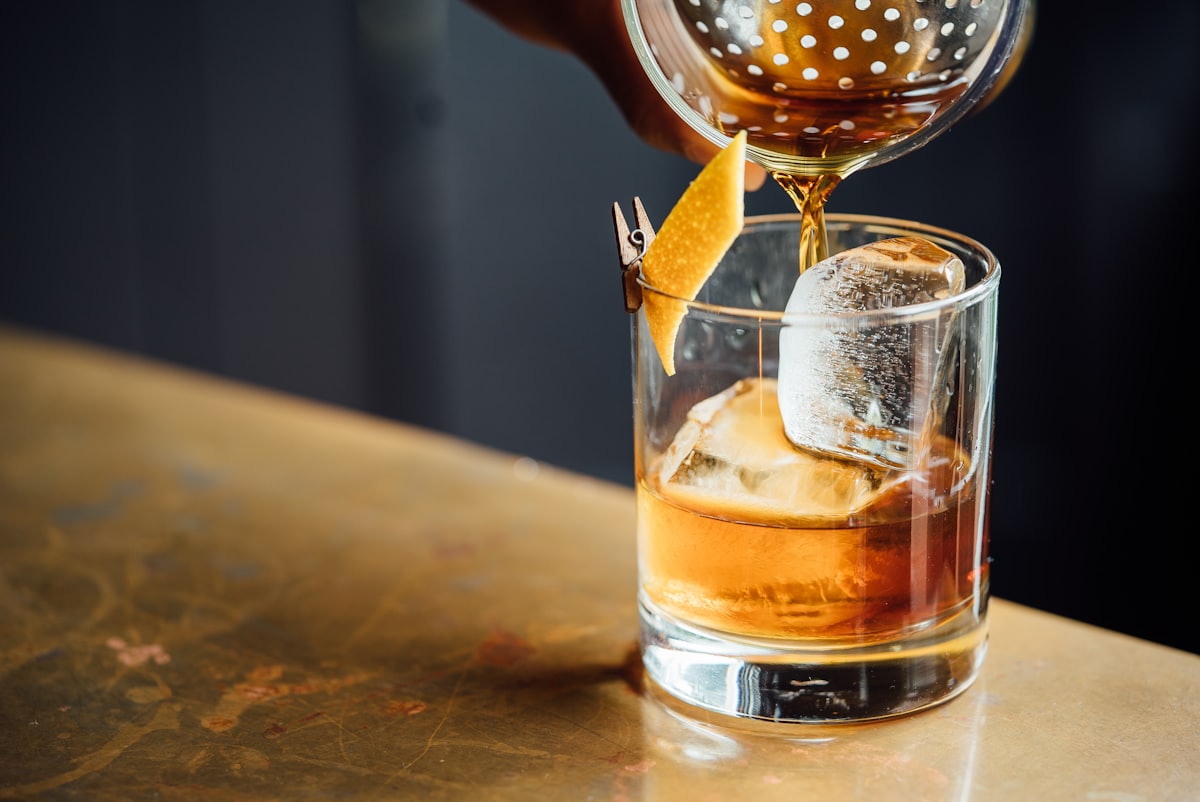
I spent a decade with two glasses of Merlot at nine and called the ninety-second disappearance into the pillow a personal talent, so believe me when I say the line between social drinking and self-medication is easier to draw on paper than in a living room. The distinction matters anyway, because the two drinking styles fail differently, and the honest fix for each one is different too. The full chapter this comes from lives in the alcohol and sleep guide, and this piece is just the sorting question.
Key takeaways
- The difference isn’t the drink, it’s the job: a border marks the end of the day, a switch manages what the day left behind.
- Alcohol genuinely shortens time to fall asleep, but sedation and sleep are different things, and the rebound lands three to four hours after the last glass.
- The two-week experiment sorts it better than introspection: no evening alcohol, everything else steady, log beside the bed.
- Fewer, earlier, with food is a legitimate stair-step; a purity badge isn’t the entry price.
- If the drink is the mechanism that makes the day survivable, that sentence belongs out loud, and it belongs with a doctor.
The drink that marks a border
Start with the version that gets defended most, and honestly deserves some of it. For most people the evening drink is not really about alcohol, it’s a border, the ceremonial last act that tells the brain the day has been put away and it can stand down. The word nightcap exists because whole cultures decided independently, centuries apart, that a final warm drink at day’s end was medicine, and the ritual instinct underneath is genuinely wise. The border-drawing ceremony that good evenings are built from was inside the nightcap all along. Only the chemistry was undermining it.
The chemistry still needs saying, though, because the border doesn’t refund the bill. Alcohol clears at roughly one drink per hour, steady as a metronome and completely indifferent to your plans, and as the sedative falls away three to four hours after the last glass, the body reacts the way it would to a stimulant arriving, with arousal, warmer skin, and a faster pulse. First half deep. Second half wrecked. The border works as ceremony and fails as chemistry, and knowing which half you’re keeping is most of the sorting.
The drink that runs a switch
Then there’s the other version, and it deserves a plain description instead of a lecture. For some people the evening drink is the mechanism that makes the day survivable, the only switch they’ve found that quiets the anxiety or softens the grief or turns down a head that has been loud since breakfast. That’s real, and any advice that shrugs at it deserves the eye-roll it gets. The switch works, which is exactly the problem: it keeps working right up until the rebound wakes you at 2:40 and the morning arrives already owing interest.
The two versions hide well, because both look like a glass of wine in a comfortable chair. The tell isn’t the glass. It’s the shape of the evening without one. The border drinker who skips feels merely bored, an hour in the same chair with nothing arriving, and boredom is what an unmedicated evening looks like before the wind-down moves in. The switch drinker who skips feels worse, because the thing the drink was managing is still there, undiminished, at full volume. Different findings, different next moves.
The experiment that sorts it better than introspection
You can’t think your way to the answer, because memory will tell you that you barely drank and barely slept badly, in the same breath, and be wrong about both. The experiment is two weeks long: no evening alcohol, everything else held as steady as you can manage, log with a column for drinks sitting right next to the column for night wakes. If two full weeks sounds like more than you can honestly promise, three dry evenings a week is a legitimate entry, and it was enough for one woman’s fridge to produce a pattern inside nine days.
Expect the second half of the night to improve first, because that’s where the alcohol was doing its damage: fewer wake-ups, later ones, easier returns to sleep. Falling asleep is a different story. The first few dry nights can run longer, because the off switch is gone and whatever wind-down habit should replace it hasn’t been built yet, and none of that is the experiment failing. It’s the experiment showing you how much of your sleep onset was sedation in a reassuring costume.
And a null result is possible. If two honest weeks move nothing you can detect, alcohol wasn’t your main thief, the notebook closes with something true in it, and your effort belongs to the light, the room, or the schedule instead. An experiment that clears a suspect is still a good experiment.
What to do with each answer
If yours is the border, the fix is cheerful and specific: keep the ceremony and fire the chemistry. The mug stands in for the glasses, taken in the same chair at the same hour, and no, the tea itself isn’t sedating anybody, the evidence for sleepy herbs is thin. The ritual was the part you actually needed, and a shower, ten pages of a paper book, or stretching on the living room floor all draw the same border. A dry weekday with a real Friday is a life, not a failure.
If yours is the stair-step, there’s a legitimate middle ground that isn’t quitting: fewer, earlier, with food. Two glasses at seven with dinner is a genuinely different night from two at ten on an empty stomach, because food slows the pour without pretending to shield the second half. The liver doesn’t read the label, but it does read the clock.
If yours is the switch, say it plainly, to yourself at least, and without shame, because shame has never helped anyone drink less. The honest next step is a doctor, for two practical reasons: sleep and mood run in both directions, so what looks like a drinking pattern and what looks like an anxiety problem can be the same problem wearing two coats, and cutting back alone can be genuinely hard, which is information worth having, not a verdict on your character. A doctor knows better switches.
Frequently asked questions
What’s the difference between social drinking and self-medication?
The job the drink does. Social drinking marks a border: the day is over, the ceremony matters, the chemistry is incidental. Self-medication runs a switch: the drink manages anxiety, grief, or a head that has been loud since breakfast. The tell isn’t the glass, it’s the shape of the evening without one, and that’s what the two-week experiment measures.
Does drinking socially still hurt sleep?
Yes, because alcohol doesn’t read intentions. The liver clears roughly one drink per hour, and the rebound lands three to four hours after the last glass: shallower sleep, more awakenings, warmer skin, a faster pulse. First half deep. Second half wrecked. Dose and timing set the size of the bill, not whether the occasion was social.
How do I tell which one mine is?
Run the two-week experiment: no evening alcohol, everything else held steady, a log with drinks and night wakes side by side. If the dry evenings feel merely bored, that’s a border looking for something to mark. If the days feel harder to survive, that’s the switch talking, and it deserves an honest sentence to yourself and probably a doctor in the plan.
Can I keep drinking and still sleep better?
Often, yes, at least meaningfully. Fewer, earlier, with food is a legitimate stair-step that stands on its own. Two glasses at seven with dinner is a genuinely different night from two at ten on an empty stomach, and the Sleep Foundation puts the practical minimum at about three hours between the last drink and bedtime. The night keeps honest score at every rung.
What if the drink is the thing that makes my day survivable?
Say that plainly, without shame, because shame has never helped anyone drink less. The honest next step is a doctor: sleep and mood run in both directions, and untangling which came first is exactly what clinicians are for. Finding it hard to cut back alone is information worth having, not a verdict on your character.
If you want the whole chapter, the handoff at 2 a.m., the loan and its rate, and the experiment design, it’s in Sleep, Finally. Sort the job the drink does. Then change the chemistry, not the ceremony.
This guide is educational, not medical advice. If drinking feels like the only thing holding the day together, a doctor is the right next stop, and asking is a skill, not a surrender.