Exercise, Naps & Sleep
What the Lunchtime Walk Fixed: A Desk Worker Story
By Nora Vale · June 27, 2025 · 7 min read
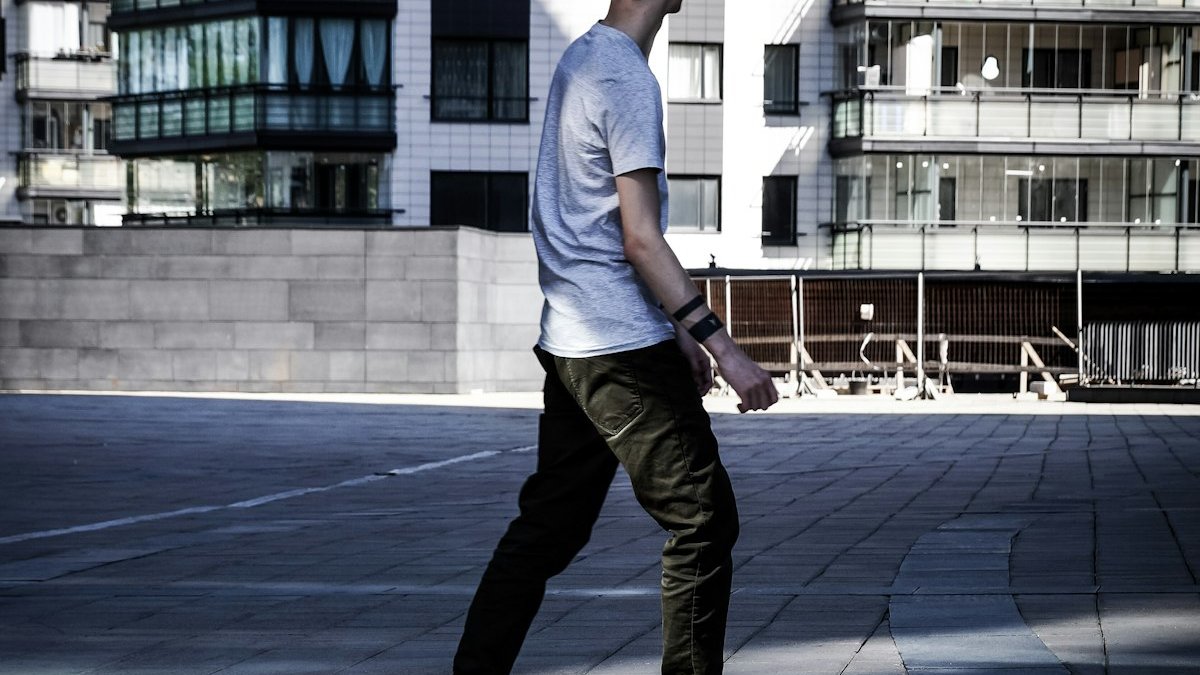
Dave is a data analyst, which is a polite way of saying his body lives folded into a chair, and his afternoons had a shape he could set a watch by: around two forty, his eyes went to sandpaper, and he’d drift to the break room for a coffee he didn’t particularly taste. A colleague finally dared him into a twenty-minute lunchtime walk, and what the walk fixed went well past the slump it was aimed at. This post is the week-by-week of his experiment, because the timeline is the most useful part. The exercise and sleep guide holds the full chapter.
Key takeaways
- The slump Dave blamed on needing more caffeine was mostly five straight hours of stillness, which is fixable and free.
- Twenty minutes outside, around the most boring loop available, with the phone left on the desk is the whole prescription.
- Week two softened the 2:40 wall into a slope, week three ended the vending machine visits, and deeper nights arrived on walking days.
- Rain days run on stairs, ten flights, counted, because a habit that shrinks rather than breaking is the only kind that survives.
- The daylight he collected was an unplanned bonus, and his body stopped buzzing at bedtime in the way a still body buzzes.
The diagnosis Dave got wrong
Dave assumed the slump meant he needed a stronger stimulant, which is the default reading and almost always the wrong one. What it mostly meant was that he’d been still for five straight hours. The 1-to-3 dip is circadian biology, part of the species, and it shows up even in people who slept nine hours. But five hours of continuous sitting turns that gentle trough into a wall, and the wall is the part you built, not the part you inherited.
The distinction matters because the two ingredients have different fixes. The circadian dip softens but never fully leaves, and the stillness disappears the moment you move. Dave’s experiment was accidentally well-designed for this: he didn’t change coffee, bedtime, or anything else, he just removed the stillness for twenty minutes and let the afternoons report back. One variable at a time. It’s slower, and it’s true.
That’s also why his lunchtime walk story is worth copying rather than admiring. The design is available to anyone with a door and twenty minutes, and the comparison between walking days and still days settles the question faster than any article, including this one.
Week by week: what actually changed
The first week he did it out of politeness, which is the most honest possible motivation and the one most real habits start on. Nothing improved. His afternoons were exactly as sandpapery, his calves complained, and the only measurable change was twenty fewer minutes of email. Most experiments die here, which is why the dare mattered more than the plan.
By the second week he noticed the two-forty wall had softened into a slope he could roll over instead of crash into. Not gone, flattened, which is the honest version of the claim, and the difference is the difference between a fix and an infomercial. By the third week the four o’clock vending machine visit had mostly stopped happening on its own, without any decision to quit the snack, because the craving had been the wall’s echo all along.
Then the part he didn’t see coming, and the reason this belongs on a sleep site. He slept harder on days he walked, same bedtime, same everything else, just twenty minutes of locomotion bolted onto the middle of the day. His shoulders and hips stopped feeling like desk equipment by evening, and his body stopped buzzing at bedtime in that way a still body buzzes. The daylight he collected was a bonus he hadn’t planned, though the light chapter would argue it was doing quiet work of its own.
The mechanics underneath his three wins
All three of Dave’s results come from the same tank. Sleep pressure builds in your brain every hour you’re awake, faster when your body is actually doing things, and it drains while you sleep. Movement raises the fill rate, and a body that spent nothing by evening has nothing to pay sleep with. His midday walk was a deposit with ideal timing: the morning’s earnings half-spent, the evening still far enough away that the pressure would be waiting at bedtime.
The slump fix is the same mechanism working locally. Twenty minutes of movement spends the worst of the stillness, and the remainder of the dip arrives as a slope, survivable without the vending machine’s help. The sleep fix is the mechanism working at full scale, and the Johns Hopkins framing puts a number on the tier he was operating in: even thirty minutes of moderate aerobic exercise measurably improves that same night’s sleep, and his brisk twenty sits just under it, counted honestly.
If you want to run the same test on your own afternoons, lunchtime walks: why midday movement helps nights is the how-to, the 1 PM dip: why you slump and what helps explains the trough, and does afternoon coffee affect sleep covers the cup that usually answers it. For the desk-shaped rest of the day, desk job: 8 ways to add movement without a gym collects the small wins.
Frequently asked questions
What did the lunchtime walk actually fix for Dave?
Three things, in order. The 2:40 wall softened into a slope by week two, the 4 p.m. vending machine visit mostly stopped by week three, and his nights got deeper on walking days with everything else held constant. His shoulders and hips also stopped feeling like desk equipment.
Why does a lunchtime walk help the afternoon slump?
The 1-to-3 dip is circadian biology, but five hours of continuous sitting turns the gentle trough into a wall. Twenty minutes of walking removes the stillness, which is the ingredient you control, and the remaining dip rolls over instead of crashing into you.
How long before results showed up?
In Dave’s case, the first week produced nothing but sore calves. The second week softened the wall, the third killed the vending machine habit, and the deeper sleep on walking days arrived alongside. It’s a boring, compounding habit, which is exactly why it works.
What counts as a lunchtime walk on a rain day?
Stairs. Dave took the stairs twice, ten flights total, and counted it, because a walk-sized habit shrinks on bad days instead of breaking. Hallway laps and a mall loop count too, and the walk doesn’t need to be scenic.
Did the walk fix his sleep, or just his afternoons?
Both, and the sleep part surprised him. Movement banks sleep pressure that tonight’s sleep spends, so a midday walk is a deposit with good timing. He slept harder on days he walked, same bedtime, same everything else.
One honest limit closes this properly. Dave’s fix worked because stillness was his actual thief, and not every tired afternoon has the same culprit, so a walk that produces nothing after three honest weeks is a verdict, not a failure. And if daytime sleepiness goes past the slump into falling asleep mid-sentence or behind the wheel, that’s a doctor conversation. For everyone else, the dare stands, phone on the desk, loop as boring as available. The full movement chapter is one chapter of the book.
This guide is educational, not medical advice. If daytime sleepiness reaches the falling-asleep-mid-sentence kind, a doctor is the right door.