Morning Light & Sleep
Why Bill's Basement Office Wrecked His Sleep
By Nora Vale · August 3, 2026 · 7 min read
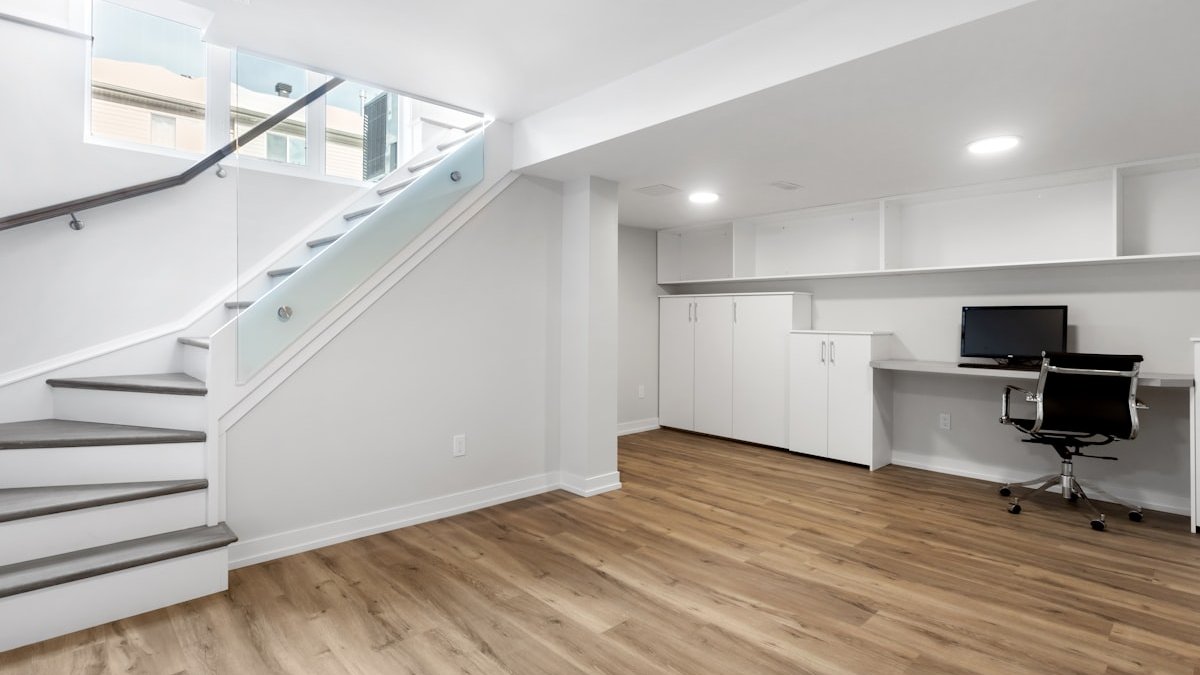
Bill worked in a windowless basement office, the kind lit entirely by fluorescent panels and the blue glow of a monitor he faced from 8 to 5. His commute was a sprint from the car to the door. By 2 p.m. he was fog. By midnight he was wide awake, which felt like a personal insult and was actually his clock running exactly as designed. If you work underground, literally or in the fluorescent sense, and your nights have gone strange, Bill’s story is probably your story, and the fix he found is cheaper than anything in the supplement aisle. The full chapter lives in the morning light guide.
Key takeaways
- A windowless day starves the body clock of its strongest reset signal, and the schedule drifts later.
- The 2 p.m. fog and the midnight wakefulness are one problem, not two.
- The fix is a lunchtime walk, twenty minutes outside, four or five days a week, gray days included.
- A noon walk is repair, not replacement. Weekend morning light is the stitching that holds the week together.
- Give it weeks. One foggy Tuesday proves nothing about a habit that pays by the month.
The underground day, and what it costs
Start with the arithmetic of an indoor life, because it explains everything Bill experienced. The body clock is a cluster of about twenty thousand cells behind your eyes that needs resetting every morning, and the strongest reset signal is outdoor daylight. Indoor living runs 100 to 500 lux. A cloudy day outdoors starts above 1,000, and full daylight is around ten thousand. The grayest January sky over the ugliest parking lot is still ten to a hundred times brighter than your kitchen with every bulb burning, which makes the office, however bright it feels to your eyes, a starvation diet for the clock.
Some weeks Bill saw more of the parking garage than the sky. His eyes reported plenty of light. His clock reported that the sun never came up, and it started drifting later, the way it does in anyone whose mornings never arrive. That drift explains the strange double symptom. The afternoon fog is the crash. The midnight wakefulness is the late-scheduled second wind arriving on time, hours after the day it belonged to. Same problem, two costumes.
“Your eyes say this is plenty. Your clock says the sun never came up.”
That line rearranged how I think about offices. The office isn’t a neutral backdrop your sleep ignores. It’s a light environment, and for a lot of working adults it’s the brightest and the least useful one they occupy all day.
The repair, not the replacement
Here’s the part worth stealing. Bill couldn’t restructure his mornings. The job is the job, the basement is the basement, and no amount of wishing changes either one. So he didn’t replace his missing morning light. He repaired after it, with a lunchtime walk, twenty minutes outside with a sandwich, four or five days a week, gray days included. I want to be precise about what that is and isn’t, because the distinction keeps honest people from quitting.
“The same ten minutes at noon is a lovely walk. It just isn’t the same signal.”
A walk at noon is not the same signal as light in the first waking hour, and pretending otherwise would be selling you a diminished product. It’s repair, not replacement. It breaks up the indoor beige, softens the afternoon crash, and gives the clock one good look at daylight before the evening lamps start muddying the signal again. That’s a real job. It just isn’t the morning’s job.
The weekends tell the rest of Bill’s story, and they’re the half most people skip. On Saturday mornings, when nothing chains him to the basement, he takes his coffee to the back steps before nine and gets the real thing, actual morning light at the actual right time. He swears those Saturdays feel different, smoother at bedtime and easier at wake-up, and the lunchtime walk is the patch that keeps the week from falling apart while the weekend light is the stitching that holds it together. Patch plus stitching. If your own mornings belong to an employer, that two-part arrangement is the honest version of the fix. The dose-by-season details are in how long to sit in morning sun, and the companion half of the habit, dimming the evening, is in morning light vs evening dimness.
What the repair can’t do
The honest limits, before you buy comfortable shoes and call it a plan. A noon walk doesn’t fully substitute for the morning signal, so if there’s any way to grab even ten minutes of real early light, the coffee-through-the-front-door version, take it, and let the lunch walk be the patch rather than the whole program. Light habits also run on a weeks clock, so the first foggy Tuesday after starting the walks proves nothing, and judging the experiment early is how people abandon something that was working. Stacking problems matter too: if the midnight wakefulness persists even with the light fixed, the walk has done its job and something else, caffeine timing, evening brightness, or plain sleep effort, holds the remaining share. And one medical border, said plainly: excessive daytime sleepiness that no light habit touches, especially with loud snoring at night, is a conversation for a doctor, not a longer walk. Bill’s fog was a clock problem. Not everyone’s is.
Frequently asked questions
Can a windowless office really wreck your sleep?
Yes, through the body clock. Indoor light runs 100 to 500 lux while a cloudy day outdoors starts above 1,000, so a person under fluorescent panels from 8 to 5 can go days without giving their clock one real look at daylight. The clock drifts later, and midnight finds you wide awake as a result.
Why was Bill awake at midnight if he was exhausted at 2pm?
Because both symptoms are the same problem. His clock never got a morning signal, so it ran late: the afternoon fog is the crash, and the midnight wakefulness is the schedule sliding later. Neither is a character flaw. The book calls it a clock running exactly as designed.
What did Bill actually do about it?
He couldn’t fix his mornings, so he repaired after them: a twenty-minute lunchtime walk outside, four or five days a week, gray days included. On Saturdays he took his coffee to the back steps before nine for the real thing, actual morning light at the actual right time.
Is a lunchtime walk as good as morning light?
No, and honesty matters here. A walk at noon is not the same signal as light in the first waking hour. It’s repair, not replacement. It breaks up the indoor beige, softens the afternoon crash, and keeps the week from falling apart until the weekend light can stitch it together.
How long until the fix shows up?
Think in weeks, not nights. Light signals shift the body clock over two to three weeks of repetition, which is why the first few days feel like nothing. Judge it by the month, keep the wake time steady, and let the gray days count as days.
Bill’s chapter, Grace’s dog, and the whole case for boring light habits are in Sleep, Finally. This week: one twenty-minute walk with your lunch, whatever the sky is doing, and Saturday coffee on the steps before nine. The basement stays. The drift doesn’t have to.
This guide is educational, not medical advice. Persistent daytime sleepiness, snoring with breathing pauses, or sleep trouble lasting most nights for three months or more belongs with a doctor, whatever the office lighting is doing.