Morning Light & Sleep
Why Coffee Can Wait Until After Morning Light
By Nora Vale · May 20, 2026 · 6 min read

The most unimpressive habit in the whole sleep book is also, by my own scorekeeping, the one that moved my needle the most: I walk to the front porch with coffee within ten minutes of waking, and I leave the phone inside. I want to be precise about what happens out there, because the coffee is not the point, and understanding why is what made the habit stick.
The ordering, light first and coffee second, comes from the chapter on morning light, and the full system is in the morning light and sleep guide. This post covers just the ordering question, because it sounds like deprivation and isn’t.
Key takeaways
- Morning light sets your body clock; coffee borrows alertness against tonight.
- Your cortisol already spikes after waking, so the built-in wake-up is running before any cup.
- Coffee on the porch counts. Tea on the front steps counts. The light is the point, not abstinence.
- Light first means the clock gets its anchor before caffeine starts borrowing.
- The evening cutoff and the morning light habit are the same arithmetic, bracketing the day.
The two wake-up tools, and why they aren’t equal
You have two ways to become alert in the morning, and they work on different systems. Light is the signal: outdoor brightness through your eyes tells the cluster of cells that runs your body clock that the day has started, which resets the whole schedule, including tonight’s melatonin timing. Coffee is a loan: “the thing it sells you isn’t energy. It’s a loan against tonight.” Caffeine blocks the drowsiness receptors, the receipt hides, and the bill comes due later, usually in the shallow half of your night.
Both tools work. The argument is about order, and the order matters because the light does something the coffee can’t: it sets the clock. “You’re not topping up vitamin D out there. You’re setting a watch.” A watch set in the first hour pays out at bedtime, when the same clock raises the darkness signal on schedule. A cup drunk in the dark kitchen pays out in about ninety minutes and leaves the clock exactly where it was.
There’s also the cortisol wrinkle, which makes the first hour less desperate than it feels. Your cortisol rises sharply in the first half hour or so after waking, which is a built-in wake-up signal doing its work before any cup arrives. Coffee poured onto that spike spends borrowed alertness while the free version is already peaking. You’re not delaying energy. You’re letting the free signal run first.
The porch version of the habit
Here is what makes this survivable for a coffee loyalist, which I am: nothing about the morning light habit asks you to give anything up. The instruction is sequencing, not abstinence, and the book’s version is friendlier than most sleep advice: “Coffee on the porch counts. Tea on the front steps counts.”
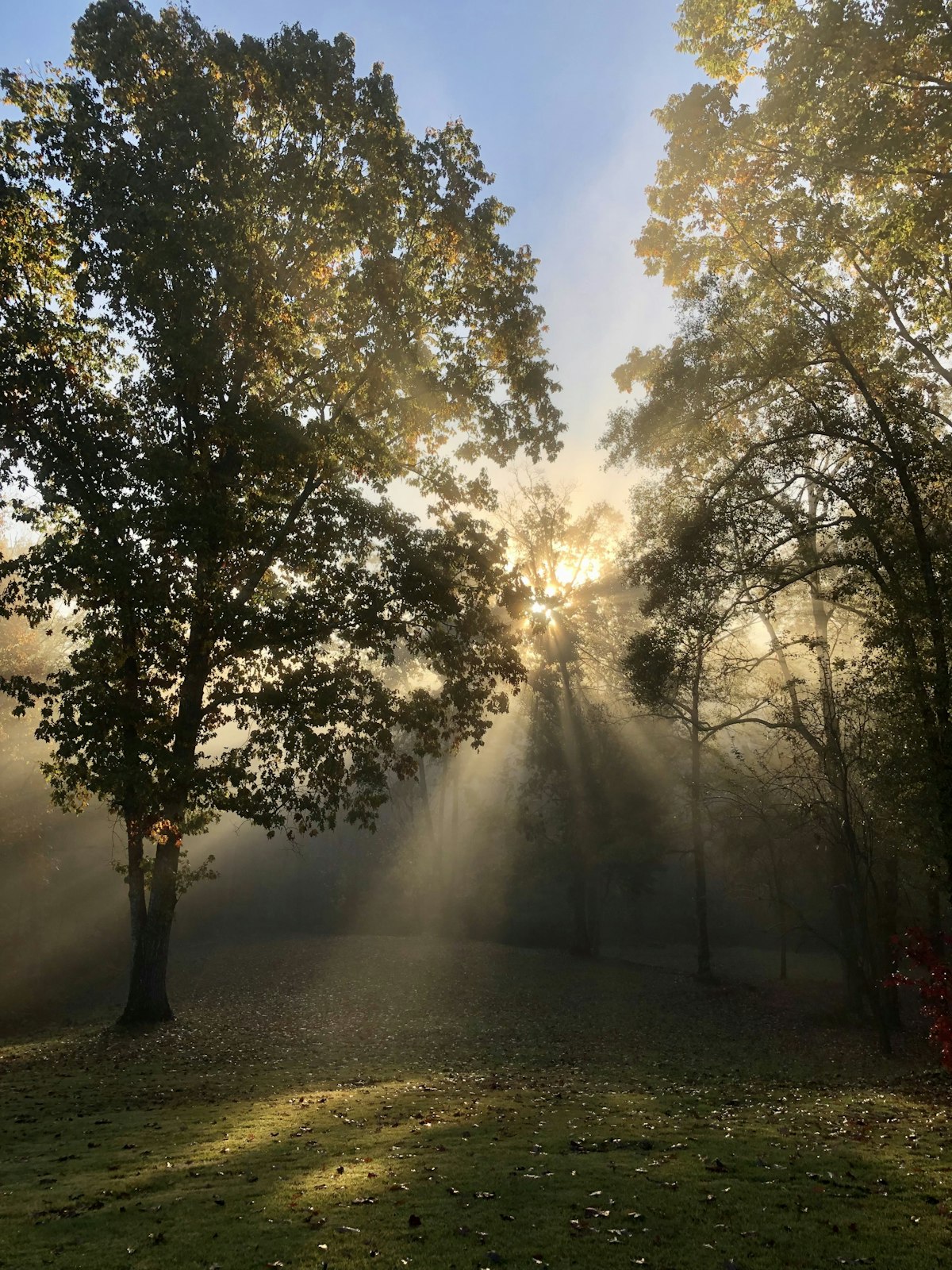
My own version, the one that survived two years of winters: out the door within ten minutes of waking, cup in hand, phone left on the counter. No walk required, no exercise, no productivity, ten minutes of standing around like a middle-aged woman watching weather happen. On gray days, which are most days where I live, I walk to the corner and back, because “The grayest January sky over the ugliest parking lot is still ten to a hundred times brighter than your kitchen with every bulb burning.”
That last number is the part to sit with. The indoor kitchen feels bright. The sky, even the disappointing January version of it, is operating on a different order of magnitude, and your clock can tell the difference even when you can’t. Your eyes report plenty of light, and the clock files the morning as barely started, which is why the kitchen version of the habit never quite lands. The full case on why indoor light doesn’t count as the dose is in why office lights don’t count.
What the ordering buys you by evening
The payoff arrives where you’d least expect it, twelve hours later. A clock anchored by morning light raises melatonin on time that night, which means the darkness signal actually unlocks the door to sleep at your bedtime instead of two hours late. “Melatonin doesn’t shove you into sleep. It unlocks the door, dims the hallway, and lets sleep walk in on its own.” The coffee-at-lunch crowd in the caffeine chapter and the light-at-dawn crowd in this one are solving the same equation from both ends.
It brackets the day, which is the cleanest way to hold the whole timing system in your head: light first, caffeine cutoff eight hours before bed last, and the hours between belong to whatever schedule your life has. The cutoff half is written up in how long before bed should I stop drinking coffee, and if you’re already doing the evening half, the morning half is where the missing gain usually lives. The whole morning system lives in the morning light guide, which also covers winter versions and shift schedules.
One honest expectation before you start, because it’s the reason most people quit: “Morning light won’t knock you out at bedtime. Not on night one.” The clock shifts on a scale of weeks, not nights, and the first week of porch-standing feels pointless by design. Give it days, not nights, and give the habit two to three weeks before you judge it.
If the mornings keep refusing to cooperate, winter darkness or a shift schedule that starts in the dark, the guide has workarounds for exactly that, including the lunchtime repair walk for mornings you can’t get back. The habit bends. The ordering, light before coffee, is the part worth keeping.
Frequently asked questions
Why should coffee wait until after morning light?
Because light and caffeine are two different wake-up tools, and the free one sets the clock. Outdoor light tells your body clock the day has started, which anchors both tonight’s sleep and tomorrow’s energy. Coffee borrows energy against tonight instead.
Doesn’t cortisol already wake me up in the morning?
Yes, and that’s the point. Cortisol rises sharply in the first half hour or so after waking. Coffee on top of a cortisol spike spends a borrowed alertness signal while the built-in one is already peaking.
How long should I wait for coffee after waking?
Long enough to get ten to thirty minutes of outdoor light. Coffee on the porch counts. Tea on the front steps counts. The gap doesn’t need to be long, it needs to put light first.
Is this the same as the caffeine cutoff rule?
They bracket the day. The morning version says let light set the clock before caffeine borrows anything; the evening version says stop caffeine eight hours before bed. Same arithmetic, both ends.
What if I can’t function before coffee?
You can carry the cup outside. The habit that survived for me was coffee on the porch within ten minutes of waking, phone left inside, and the walk to the porch is the entire ask.
Tonight’s version takes ten minutes and one thermos. Tomorrow, take the first cup outside before you do anything else with it, phone on the counter, and stand there while it’s warm. The full morning light chapter is in Sleep, Finally.
This guide is educational, not medical advice. If poor sleep persists for months or wrecks your days, see a doctor.