Hormones & Sleep
Why Is Perimenopause Ruining My Sleep?
By Nora Vale · April 29, 2026 · 7 min read
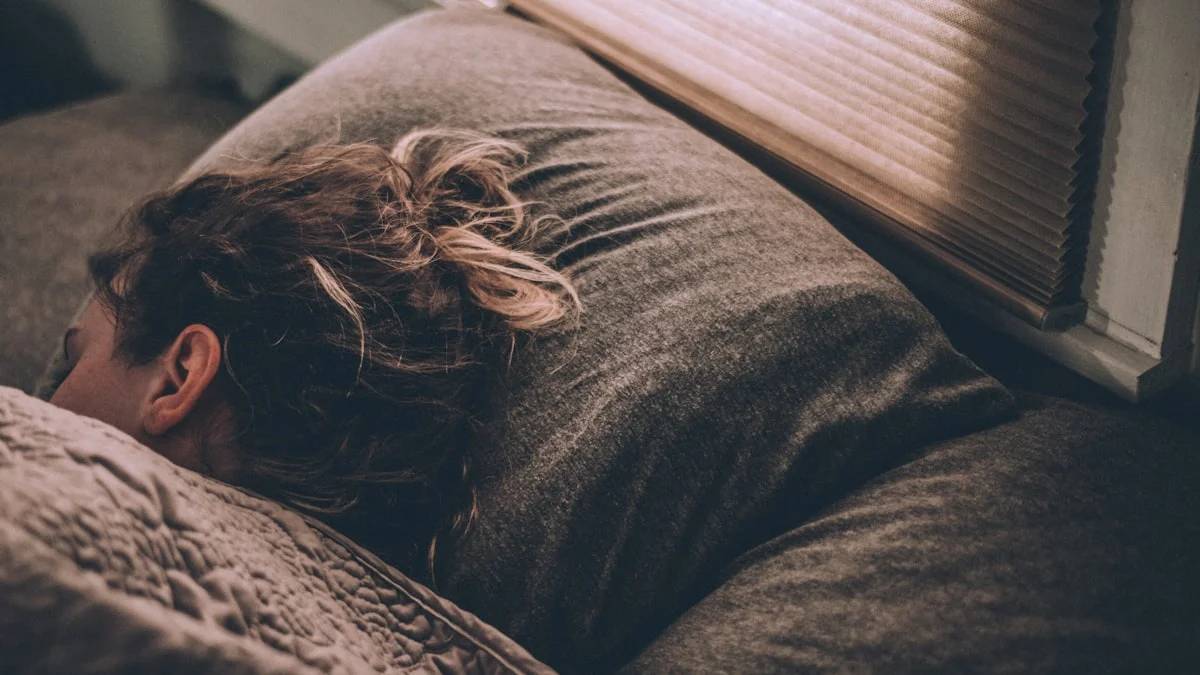
The t-shirt hit the laundry basket at 2:20 in the morning, and I stood in the dark doing arithmetic. Not about hormones. About hours. Two if I fell asleep now, one and a half by three, and the count kept running while my skin cooled, which is how a five-minute body event becomes a two-hour waking. For a long time I blamed the duvet, then the weather, then my workload. It took an embarrassingly long time to consider the third suspect, the one that had been living in my body the whole time. This post collects the menopause night sweats sleep tips that actually held up for me, and names the piece no tip can fix. The longer map of the whole transition is in the hormones and sleep guide.
Key takeaways
- Roughly 40 to 60 percent of women report sleep problems during the menopause transition, mostly tied to hot flashes and night sweats.
- The flash lasts minutes. The wake-up after it can cost an hour, because worry takes over where the heat left off.
- A two-week trigger log beats guessing, because your triggers are personal.
- Falling progesterone can thin sleep with no heat involved at all, and no tip covers that gap honestly.
- Months of broken sleep despite honest effort is a doctor conversation, not a character flaw.
Why it starts in your forties
For most women the road to menopause begins in the forties, and the Menopause Society puts average menopause at about age fifty-one in the US, so the transition can run for years and the sleep changes routinely show up long before the word perimenopause does. Periods turn erratic. So does sleep. Large cohort studies that followed thousands of women through it found that roughly 40 to 60 percent report sleep problems, most tied to hot flashes and night sweats.
The cruel part is the misattribution. You blame the job, the kids, the mattress, the pollen count, anything except a slow chemical shift, because hormones are invisible and deadlines are not. “I spent a season blaming my workload. The workload hadn’t changed. My forties had.”
Here’s the detail worth internalizing. The flash itself is rarely what wrecks the night. A flash works like an alarm you never set: your core temperature surges, your body dumps heat through skin and sweat, and the emergency pulls you to the surface. What wrecks the night is the sequence after, the pillow flip, the cover kicking, then the mind picking up where the heat left off. “The heat starts it. The worry finishes it.” After a few nights of it, the bed starts to feel like a threat, and a hormone problem has grown itself an insomnia problem on the side.
Which means part of the fix isn’t about temperature at all. A cool room shortens the recovery, a plan decided in daylight saves the 2 a.m. improvisation, and an assumption that a wake-up is an inconvenience rather than a catastrophe does the rest.
The cooling playbook
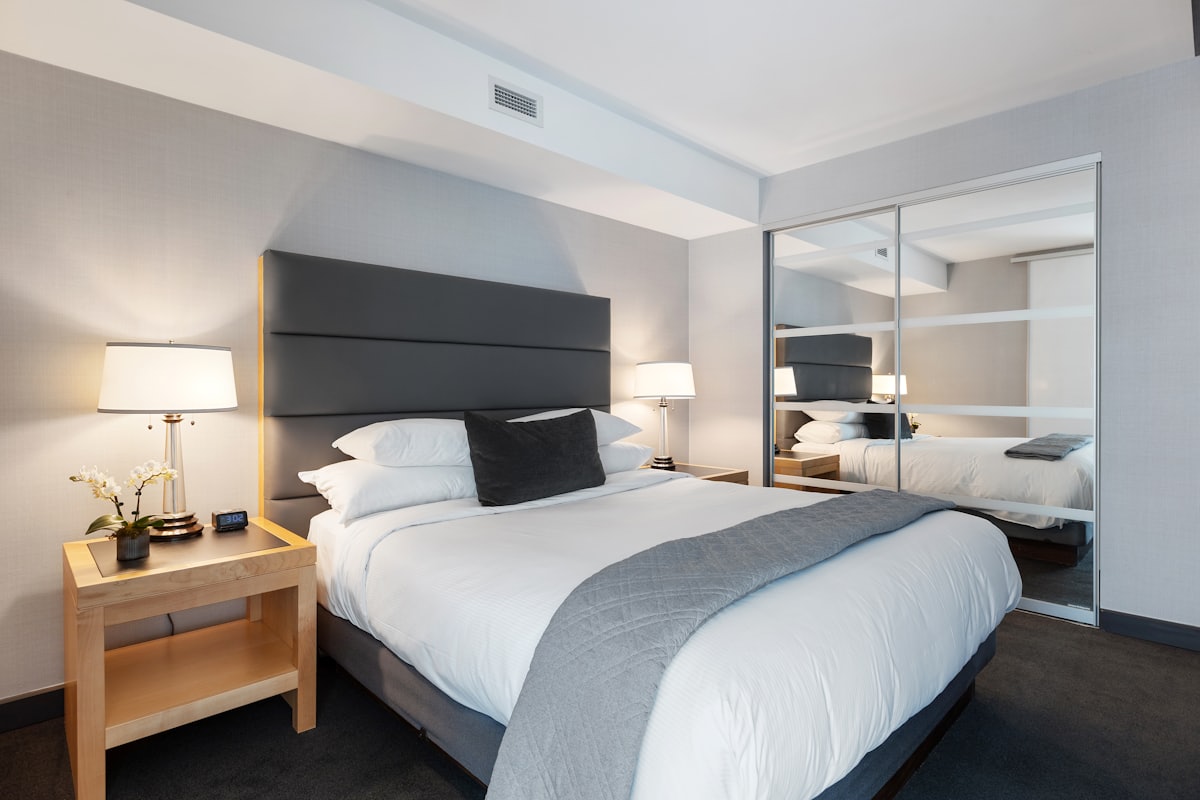
Start with the room, the cheapest lever you fully control. The standard advice is a bedroom between 65 and 68 degrees, and in this stretch of life the bottom of that range stops being a preference and becomes equipment. A body that surges at random needs a low place to surge from. A room that felt brisk at thirty-five can feel exactly right at forty-seven. Drop the thermostat a couple of degrees. Your partner can wear socks.
Then think in layers instead of one heavy cover. A flat sheet, a light blanket, a comforter you shed in stages, one foot out first because a bare foot vents heat surprisingly well and doesn’t wake you the way hurling the duvet across the room does. You want exits.
A fan earns its place twice over: moving air across your skin so sweat can do its job, and laying down steady sound that masks the small noises that would otherwise finish waking you. Some women run one all night. Others keep it within arm’s reach and switch it on the moment heat starts rising, which makes it a kind of fire extinguisher for flushes. Moisture-wicking sleepwear sounds like marketing copy, and I rolled my eyes at it too, right up until the first night I didn’t have to peel a wet t-shirt off at three in the morning. Synthetics and merino both do it. Cotton doesn’t. Keep a cold pack wrapped in a thin towel by the bed as well, because pressing something cold against your neck or wrists during a flash shortens it for many women.
One more piece, and it sounds backwards. A warm shower an hour or two before bed. Warming the skin opens the blood vessels in your hands and feet, the body dumps heat through them afterward, and that falling-temperature slope is exactly the signal sleep waits for. It’s the cheapest physiology trick on this page.
If you want the moment-of-waking version, with a two-minute recovery script, the night sweats cooling tips post runs it in full.
The log that beats guessing
The last tool costs nothing and outperforms everything above. It’s a two-week trigger log. Hot flashes have triggers, alcohol and spicy food are the two most commonly reported, but the list is maddeningly personal, which is why guessing fails.
Christine, 47, spent six months playing detective without a notebook and reached the conclusion a person reaches while working from memory: no pattern, so no pattern exists. “Memory is a terrible statistician. It rounds off Tuesdays.” Then she kept a small notebook by the kettle, one line each morning about the day before: what she drank, how spicy dinner was, whether anything hot came after eight, roughly when any flash struck. She’d been sure the culprit was red wine. Wine made the list, but the loudest pattern was food, a Tuesday-night curry, salsa-and-beer Fridays, hot sauce on everything out of habit. Wine moved earlier and shrank to one glass, curry became a Saturday lunch, and the flashes thinned enough that she stopped dreading lights-out. Fourteen days, not seven. Weekly patterns need two cycles before they’ll confess.
The quiet piece no fan can fix
Now the honest part, because you’d find it anyway. Plenty of women who never run hot still watch their sleep turn thin and brittle through the forties, waking more often, sinking less deeply, with no obvious villain anywhere in the bedroom. If that’s you, the villain may be chemical rather than thermal. Progesterone has mild sleep-promoting properties of its own, and its decline can worsen sleep independently of any hot flash, so you can cool the room perfectly and still sleep thinner than you used to. You’re not doing it wrong. You’ve subtracted one thief while another works quietly next door.
The fundamentals earn double pay here, a fixed wake time, morning light, an early caffeine cutoff, a real wind-down, because they do part of the calming job progesterone used to do for free. The progesterone and sleep explainer covers that side of the ledger, and the luteal phase sleep problems post handles the monthly version of the same thermostat story.
Here’s the flaw in every tip on this page, stated plainly. The cooling tactics work and they also don’t work completely. They can turn five drenching wake-ups into two. They can’t erase them, because no amount of fan stops a chemical event from starting. And the log finds patterns beautifully without telling you what the pattern is, since that distinction belongs to blood work and a clinician. Hormone-related sleep trouble also has well-studied medical options behind it, and whether they suit you is a conversation for a doctor, not a blog post.
If sleep has come apart for months despite honest work, that’s data for a doctor, ideally one who listens, because hormone complaints have a sorry history of being waved out of the room. “That’s just your age” is a shrug with a stethoscope, not a diagnosis, and you’re allowed to find another clinician. The menopause sleep problems natural help post covers the whole kit in one place, and the best temperature for sleep rundown helps you find your own number.
Take the same Tuesday twice. At thirty, a late dinner and two glasses of wine cost you a somewhat short night, and by Thursday you’ve forgotten it. At forty-seven, the same Tuesday produces a flash at one, a second wake at three, and a Friday that never quite arrives. “Same Tuesday, different bill.” That’s what a thinner margin means. Careful is doable. Perfect was never on the table anyway.
Frequently asked questions
Why does perimenopause ruin sleep?
Two shifts at once. Falling estrogen destabilizes temperature control, which is where hot flashes and night sweats come from, and falling progesterone takes away one of the body’s own mild sedatives. Neither announces itself, and the transition can run most of a decade.
What are the best menopause night sweats sleep tips?
The unglamorous kit: bedroom at the bottom of the 65 to 68 degree range, layered bedding with exits, a fan within reach, moisture-wicking sleepwear instead of cotton, a warm shower an hour or two before bed, and a two-week trigger log. None of it costs much. All of it stacks.
How long does it take for sleep to improve?
Cooling tactics can shorten flashes and cut wake-ups within days, and the trigger log usually confesses inside two weeks. What no tactic removes is the chemical event that starts each flash, which fades on its own schedule. Fewer and shorter is the honest target.
Can I still sleep fine if I never get hot flashes?
Yes, and the reverse matters more. Plenty of women with no heat at all still sleep thinner through their forties, because falling progesterone worsens sleep independently of any flash. If that’s your shape, the room was never the whole problem.
When should I stop with self-help and see a doctor?
When sleep has been bad for months despite honest effort, or when symptoms change fast or frighten you. Bring the log, because fourteen nights of specifics gets taken seriously while a general complaint gets a pamphlet. If the first clinician shrugs and says it’s just your age, find another.
This guide is educational, not medical advice. Hormone questions belong with a clinician who can order blood work and take a history; a blog post can’t tell you what your hormones are doing.
If you want the full system this approach came from, with the worksheets and the 30-day reset, it’s in Sleep, Finally. Peel the t-shirt off, flip the pillow, and skip the clock math tonight. The arithmetic has never once helped anyone back to sleep.