Social Jet Lag & Weekends
Why Teens Sleep Until Noon on Weekends
By Nora Vale · September 26, 2025 · 7 min read
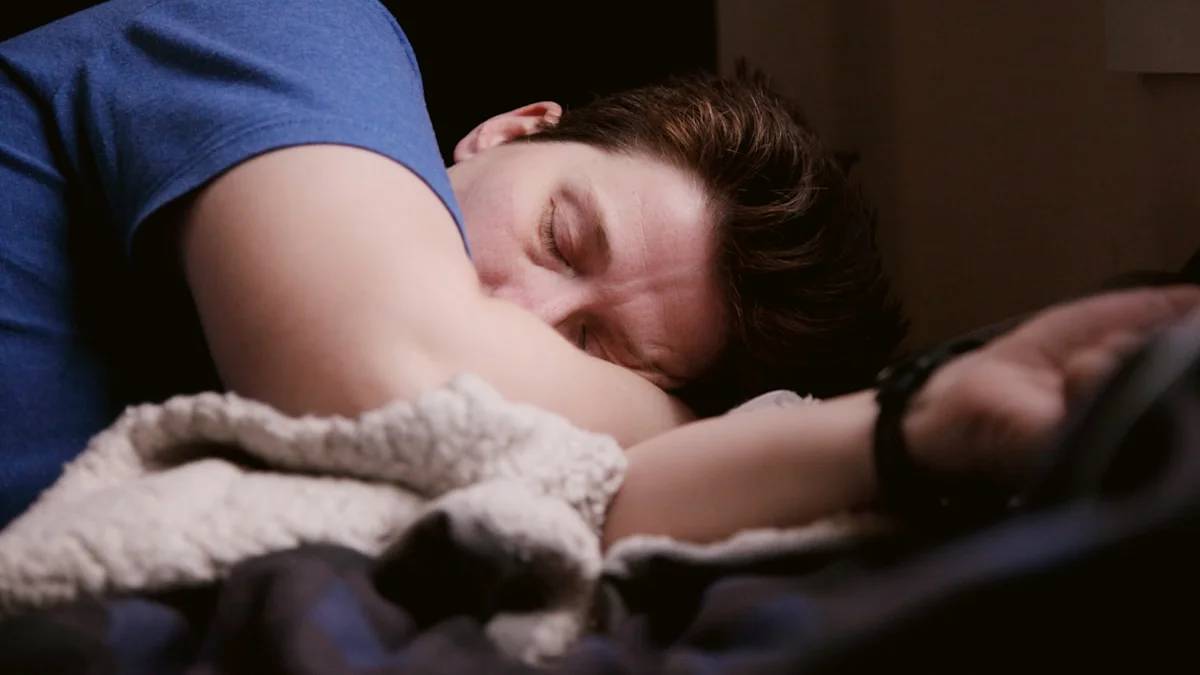
My nephew slept until 12:40 last Sunday, and my sister spent the morning asking me, a person who writes about sleep for a living, whether her son was broken. He isn’t. He’s sixteen, and his body clock has spent three years sliding two hours later while his school bell stayed exactly where it was. If you live with a teenager, or you were one recently enough to remember the pavement-taste mornings, understanding why teens sleep until noon on weekends changes the argument completely. This sits inside the wider problem called social jet lag, which I cover in the social jet lag guide; this post is just the teenage edition, because it comes with its own biology and its own unfairness.
Key takeaways
- Teen body clocks genuinely run later. This is biology, not laziness, and the research is settled.
- Weekday short nights create a debt, and the weekend collection drags the clock even further out.
- A noon sleep-in feels like medicine and works like a two-to-three-time-zone trip by Sunday night.
- The fix is a window, not a wall: weekend wake time within an hour or two, daylight soon after.
- Earlier bedtimes beat later mornings, because the first half of the night does the repair work.
The biology comes first
The teenage clock shift is real, measurable, and nobody’s fault. Through adolescence the body clock drifts roughly two hours later, which means a sixteen-year-old’s natural sleep pressure arrives around 11 p.m. or midnight, not 9:30. The same teenager still needs eight to ten hours, so the arithmetic produces a person who isn’t tired until late and should sleep until eight or nine in the morning. School, in most places, starts before that.
This isn’t a parenting controversy anymore. The American Academy of Pediatrics has recommended later secondary school start times for years, precisely because the biology of adolescent sleep doesn’t move to match the bell. When a teen lies awake at midnight, they’re not being defiant. Their melatonin genuinely hasn’t clocked in. Expecting them to feel sleepy at 9:30 is like expecting them to be hungry right after Thanksgiving dinner.
I think it’s worth saying out loud to teenagers, too, because I’ve watched the argument change when the biology lands: your body isn’t broken, and the schedule was built for a different species than the one you currently are. That sentence bought me more cooperation from my nephew than any lecture about screens ever did, and I’d tried the lectures.
Then the debt gets collected
On top of the biology sits the debt. Five short weekday nights, the teen collecting six or seven hours when their body wanted nine, create a deficit. The weekend is when the deficit gets paid, and the payment is long, late mornings, because sleep pressure has been stacking all week and the alarm is finally off. That part is legitimate. Inside an hour or two of the usual wake time, a weekend sleep-in is medicine, and I’d never argue a teen out of it.
The problem is the shape of the payment, not the fact of it. Sleeping until noon on Sunday doesn’t repay Friday and Tuesday. It moves the clock. By Sunday evening the teen’s body thinks 11 p.m. is 8 p.m., and Monday’s 6:30 alarm lands on a brain that believes it’s 3:30. “You pay for it every Monday morning, for years, without ever leaving your bed.” The exhaustion has a schedule. Most families just never read it.
And the loop closes itself: Monday wrecks the teen, Tuesday through Friday are spent short, the debt grows, and next weekend’s noon arrives with even more momentum. Each cycle slides the clock a little later. That’s the drift, and it’s the same mechanism that makes jet lag miserable, except it runs every single week and the destination never changes. If you want the fuller mechanics, I cover the weekday-weekend clock gap in its own post.
What actually helps
The lever isn’t the weekend morning. It’s the weekday night, pushed earlier where the biology allows, because the first half of the night is where the repair happens. “One 9:30 bedtime has done more for my Mondays than any sleep-in ever did.” For a teen, this means the evening wind-down starts earlier than feels natural, the phone ends up charging somewhere else, and the room gets dark. It isn’t glamorous and it doesn’t require a fight, since a parent quietly dimming the living room at 10 does more than any speech about screens.
On weekends, the goal is a window, not a wall. Wake time within an hour or two of the school-day time, with daylight soon after, keeps the clock anchored while still granting the sleeping-in a teenager is owed. Ten o’clock instead of noon preserves most of the recovery and almost all of the Monday. The daylight part matters more than it sounds, since light is the strongest signal the clock accepts, and even ten gray minutes from a porch step counts, per the morning light guide.
One more piece that helps everyone’s temper: earlier bedtimes work better than earlier alarms, because sleep pressure does the enforcing. A teen who got up at nine on Saturday will be genuinely tired at 10:30 that night, and the whole system drifts back toward center without a single argument. You’re not forcing anything. You’re letting the body’s own math do the work it already knows how to do.
The honest limits
Some of what looks like clock drift is a life with no off-ramp, and no wake-time window fixes that. A teenager running on homework until midnight, a 6 a.m. bus, three evenings of practice, and a social life squeezed into the cracks is short on sleep for structural reasons. The weekend sleep-in is the one slot their life offers, and taking it away without giving anything back is just subtracting the only recovery they have. Families manage what families control, and no family controls the school bell.
And the biology cuts both ways for a while: the same clock that runs late in adolescence eventually shifts back earlier in the twenties, which is cold comfort on a Monday but true. If a teen’s nights are broken rather than merely late, if there’s snoring with pauses, or daytime sleepiness that no schedule explains, that’s a different conversation and belongs with a doctor, not a routine tweak. The noon sleep itself isn’t the diagnosis. It’s the receipt.
Frequently asked questions
Why do teens sleep until noon on weekends?
Two reasons stacked. First, biology: adolescent body clocks genuinely run later, so a teen’s natural bedtime is later than a child’s or an adult’s, and school start times fight that clock every weekday. Second, debt: weekday short nights get collected on weekends, and the collection itself drags the clock even later, which is the drift called social jet lag.
Is sleeping until noon actually harmful for a teenager?
A big weekend sleep-in feels like repayment in the moment and works like a time-zone change by Sunday night. The teen’s clock lands two to three zones east, so Monday’s 6:30 alarm hits a body that thinks it’s 3:30, and the whole week starts in the red.
Should parents force an earlier weekend wake time?
Force is the part that breaks. What works is a window, not a wall: weekend wake time within about an hour or two of the weekday time, with light soon after. The strict version lasts about seventeen days. The loose one survives the household.
Is it true that teen biology makes early school times unfair?
Largely true, and worth saying plainly. Adolescent clocks shift later by a couple of hours through the teen years, which is why the American Academy of Pediatrics has recommended later school start times. The biology is real. The weekend drift is the part a family can still manage.
What can a teen actually do about Monday mornings?
Keep the weekend wake-up inside a two-hour window, get daylight soon after waking, and go to bed earlier after short nights rather than sleeping later. One 9:30 bedtime has done more for my Mondays than any sleep-in ever did.
My nephew’s noon has since become a ten-thirty, negotiated rather than imposed, with a porch and a coffee mug as the enforcement mechanism. His Monday face has changed, my sister stopped asking if he was broken, and the whole arrangement, window, light, earlier bedtimes, comes straight out of Sleep, Finally, which is the only book in the house he’s actually finished.
This guide is educational, not medical advice. If a teen’s sleep is broken rather than late, with snoring, witnessed pauses, or daytime sleepiness no schedule explains, talk to a pediatrician.