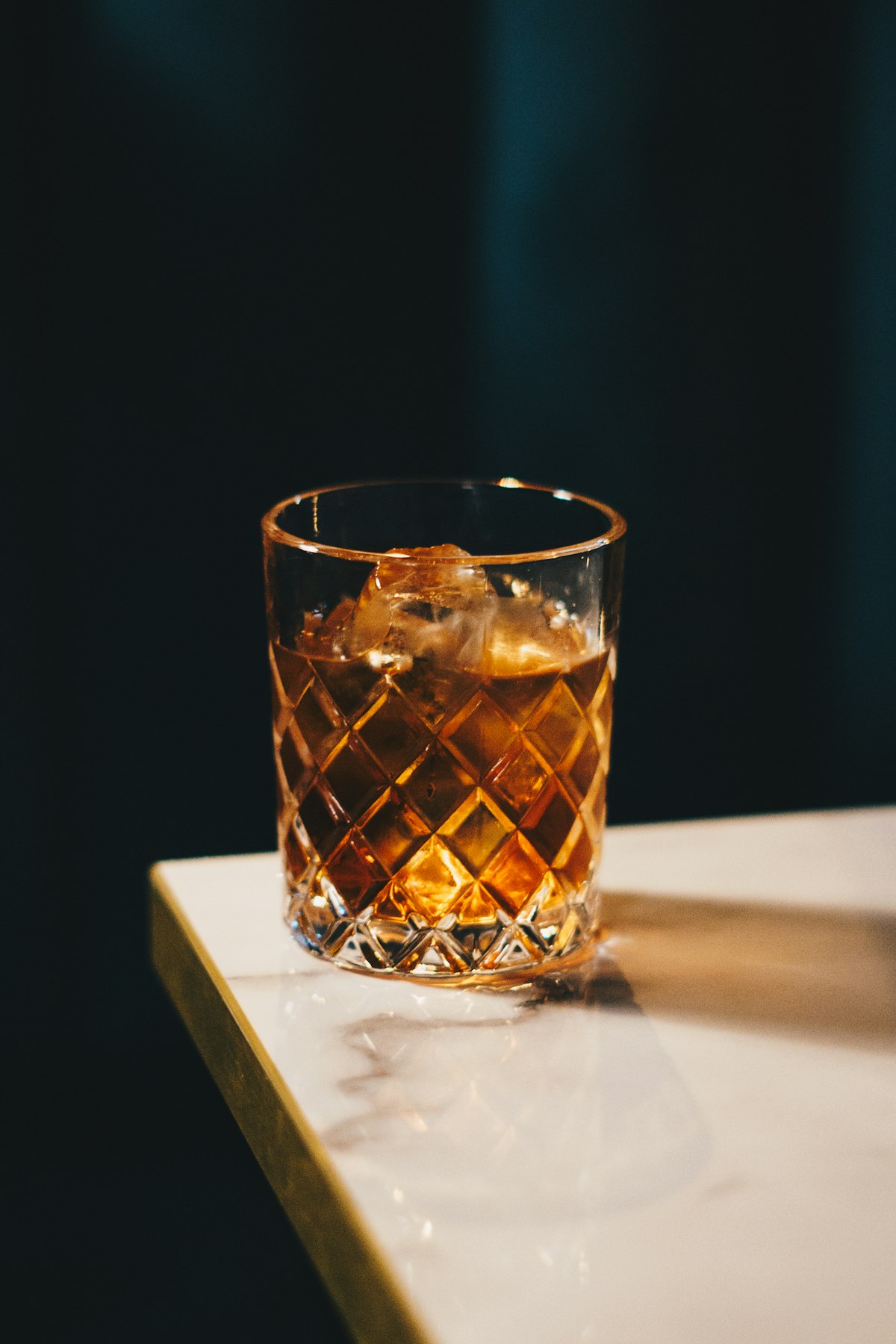
Alcohol & Sleep
Why Wine Makes Me Wake Up at Night: The 2:40 Handoff
By Nora Vale · May 12, 2026 · 8 min read
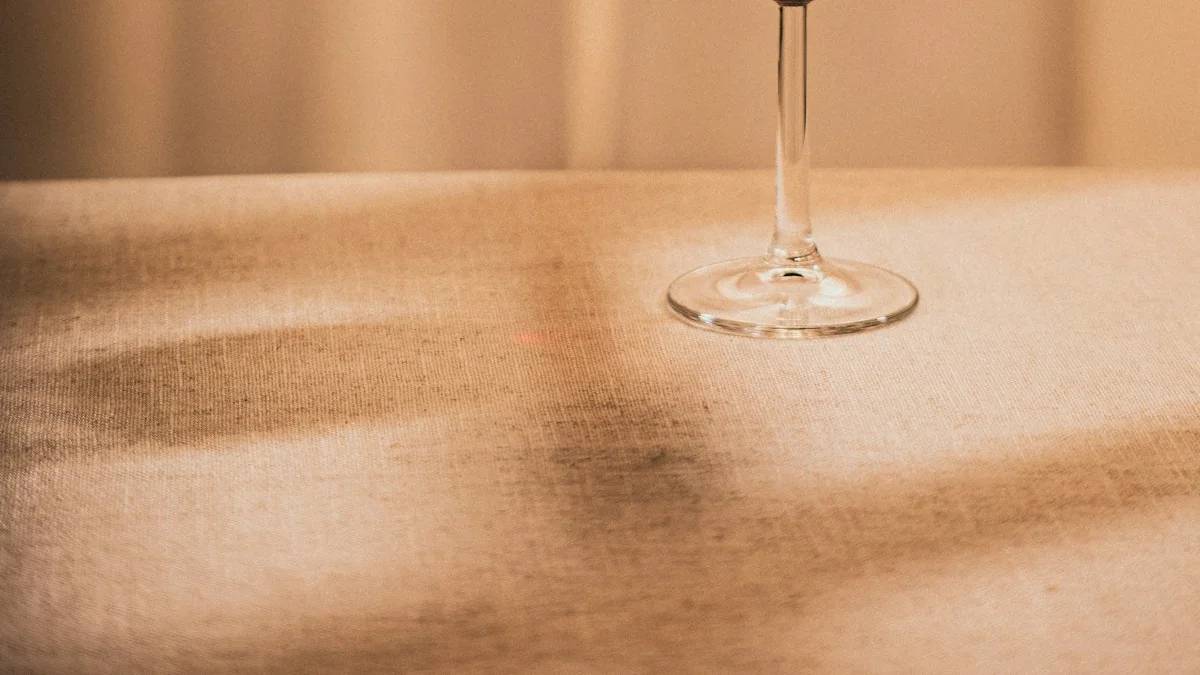
It’s 2:40. Your skin is hot, your pulse is doing something unofficial, the ceiling has your full attention, and the wine glass is three rooms away, innocent as a museum piece. You didn’t wake up for no reason. You woke up on schedule, and the schedule was poured at ten. The question of why wine makes me wake up at night has an answer with a clock attached, and the whole chapter behind it, experiments and stair-steps included, is in the alcohol and sleep guide.
Key takeaways
- Wine genuinely knocks you out. “You were sedated.” Sedation and sleep feel identical from the inside, and they are different things.
- Your liver clears alcohol at roughly one drink per hour, so the sedative is substantially gone by two.
- The wake-up at 2:40 is the handoff from sedation to rebound, and it lands between 2 and 3 a.m. for a standard evening pour. “It isn’t bad luck. It’s a timetable.”
- The first half of the night was rented: more deep sleep early, less REM, a wrecked second half.
- Three dry evenings a week with a log on the fridge settles the question in about nine days.
Why wine makes me wake up at 2:40
Here’s the mechanism, and it deserves a clock. Alcohol genuinely shortens the time it takes to fall asleep, and if you’ve ever dropped off ninety seconds after your head met the pillow, you weren’t imagining it. “You were sedated. Sedation arrives with a feeling of deep relief that the body files under sleep, and nobody checks the paperwork until the middle of the night.” The wine did exactly what you hired it to do, and it kept doing it for half the night, and then it clocked out around two and left the rest of the shift to somebody dramatically less qualified.
Then the liver clocks in. “It clears alcohol at roughly one drink per hour, steady as a metronome and completely indifferent to your plans,” which means the sedative that switched you off at 10:15 is substantially gone by two. What’s left is the rebound: sleep turns shallow and choppy, awakenings multiply, heart rate runs higher than it should, and the REM that got suppressed early in the night pushes back in as vivid, strange, often unpleasant dreams. “First half deep. Second half wrecked.” For a standard evening pour, the handoff lands between 2 and 3 in the morning, which is why the after-drinking wake time is so eerily consistent from person to person. “It isn’t bad luck. It’s a timetable.”
The cruel part is the causelessness. You experience the wake-up as an event with no history, and you go looking for the reason in your job, your marriage, the thermostat, your hormones, your age. The reason was poured at ten. I did this for years, sincerely auditing my entire life for the source of the adrenaline, and it never once occurred to me that the source was sitting in the drying rack next to the dishes, still smelling faintly of Merlot.
Why the wine never makes the suspect list
Lisa is the case I’d hand you if you’re still skeptical. Forty-six, an accountant, two glasses a night since her mid-thirties, out by 10:15 on a normal night, able to fall asleep on planes, at parties, in a straight-backed chair at her nephew’s graduation. Also awake at 2:40 most nights, with the ceiling doing its thing. Across the years she worked through perimenopause, work stress, the new mattress, blood sugar, and the neighbor’s motion light. The wine never made the list. Why would it, when the wine was the one thing in her life that reliably produced sleep. “A suspect with that kind of alibi doesn’t get investigated. It gets thanked.”
Her daughter talked her into three dry evenings a week, Sunday through Tuesday, with a log on the fridge, nothing fancier than wake-ups and wine jotted in pencil. The pattern appeared in nine days. On wine nights she was up somewhere between 2:20 and 3:00 like a commuter catching the same train, and on the dry nights she either slept through or surfaced once around 4 and rolled back under without ever fully waking. Same woman, same bed, same workload. “The 2:40 wasn’t a quirk of Lisa. It was the wine’s schedule, and it had never once missed.”
What to do with the timetable
You can test your own version of Lisa’s nine days, and it costs almost nothing. Pick three evenings a week, log drinks and wake-ups in pencil on the fridge, and change nothing else, because if you simultaneously move dinner and start a bath routine you’ll never know which lever did the work. Expect one honest wrinkle: the first dry nights can run longer to fall asleep, because the off switch is gone and the wind-down habit that should replace it hasn’t been built yet. That’s not the experiment failing. That’s the experiment showing how much of your sleep onset was sedation in a costume.
If a full dry week sounds like more than you can honestly promise, the stair-step version is legitimate and worth taking: same wine, moved earlier, with dinner. Two glasses finished at 8:30 with food gives the liver most of the night to do its clearing, and whatever rebound remains lands in the final third, where sleep is already light, instead of dead center. Two glasses at seven is a genuinely different night from two at ten on an empty stomach. And the second half of the night is only half the story, because alcohol also relaxes the tongue and throat muscles that hold your airway open, which is the subject of why alcohol makes snoring worse, and the REM side of the bill is covered in alcohol and REM sleep.
One honest limit, said plainly: this experiment belongs inside a sleep life that’s roughly standing. If your wake time wanders across the map, your caffeine runs until 4, and your bedroom glows like a departure lounge, three dry evenings will hand you a tidy null result and a false conclusion, because alcohol is one thief among several. And if the evening glass is the thing that makes the day survivable, say that without shame and take it to a doctor, because shame has never helped anyone drink less and doctors know better switches.
Frequently asked questions
Why does wine wake me up in the middle of the night?
Your liver clears alcohol at about one drink per hour, so the sedative that switched you off at ten is substantially gone by two. As it leaves, the body reacts much the way it would to a stimulant arriving, with arousal, warmer skin, a faster pulse, and a brain that surfaces and decides to stay up. The wake-up is the handoff, not a malfunction.
Why is the wake-up always around the same time?
Because the clearing runs on a schedule, not on chance. For a standard evening pour the rebound lands between 2 and 3 a.m., which is why so many people can set a watch by their after-drinking wake time. Same pour, same liver math, same train.
Does red wine affect sleep differently than white?
Not in the way that matters. The alcohol is the active ingredient, and the body processes it identically no matter what it arrived in. The one-drink-per-hour clearing schedule applies to red, white, beer, and spirits alike, so the color conversation is mostly about taste and tradition.
How do I test whether wine is causing my night wakings?
Three dry evenings a week, a log of drinks and wake-ups in pencil on the fridge, everything else unchanged. In the example above, the pattern appeared in nine days: wine nights woke between 2:20 and 3:00, dry nights slept through or surfaced once and rolled back under. If two honest weeks move nothing, wine wasn’t your thief, and that’s a useful answer too.
The book behind this chapter, fridge log and all, is Sleep, Finally. Pour the next one at dinner instead of nine, and let the log tell you what nine days says.
This guide is educational, not medical advice. If the evening drink has become the mechanism that makes the day survivable, or if snoring includes pauses and gasps, a doctor is the right door, without any shame attached.