Morning Light & Sleep
Winter Mornings and Sleep: Light Without Sunrise
By Nora Vale · August 26, 2025 · 7 min read
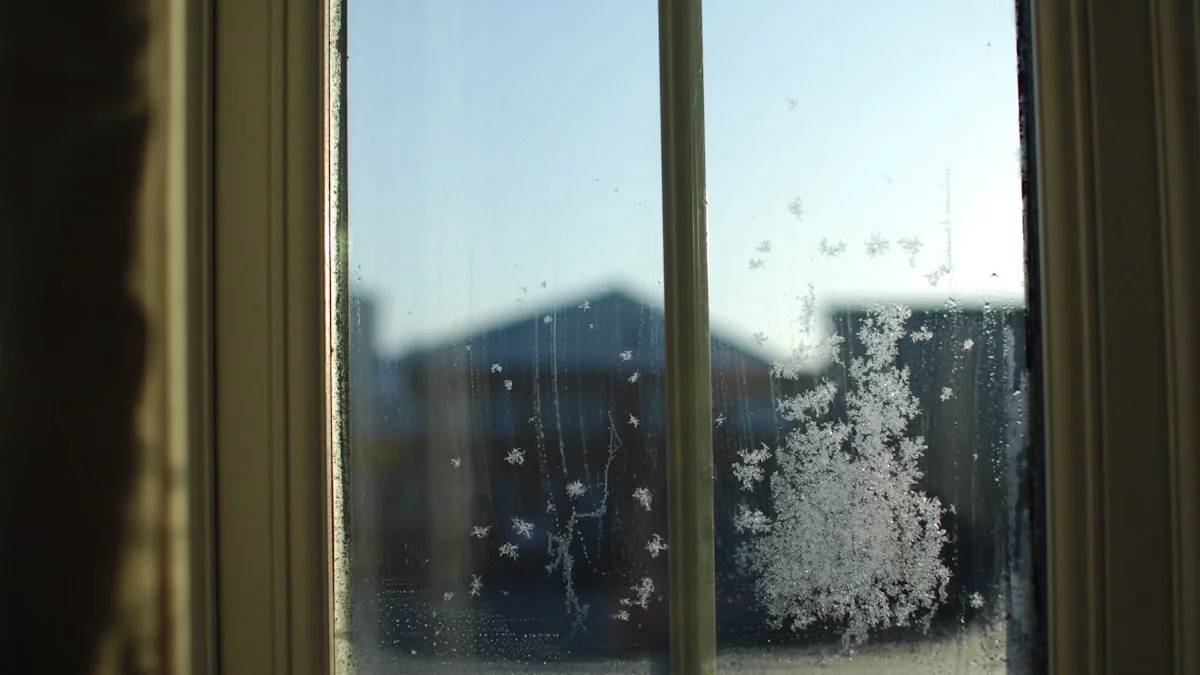
The thermostat said 66, the blackout curtains were drawn, and at 11:40 in December I was still awake, doing the math on how many hours I’d get if I fell asleep right now. Every bedroom fix was in place. What I’d missed was happening outside, ten steps past the front door: the sun wouldn’t be up for another ninety minutes, and my body clock had quietly decided the day hadn’t started either. That’s the specific way winter mornings and sleep stop cooperating, and nobody sells you a product for it because the fix involves standing in cold gray weather on purpose.
Winter asks a fair question about the whole morning-light habit: does any of this survive a season when sunrise shows up after your commute ends? The full answer, including the parts the sunshine posts leave out, lives in my guide to morning light and sleep, and the short answer is yes, with adjusted math and one honest catch.
Key takeaways
- A gray December sky still out-delivers your living room by a factor of ten or more, so outdoor morning light keeps working in winter.
- The recipe slows down rather than breaks: 30 to 40 minutes, or two shorter chunks, instead of a quick ten.
- Before sunrise, pre-dawn twilight plus every lamp you own beats waiting for the sun.
- Steady wake time is the frame that holds the schedule up until the light comes back.
- Judge the habit after two to three weeks, not two mornings.
Why gray skies keep winter mornings and sleep workable
The numbers sound made up until you check them. A comfortably lit living room runs about 100 to 500 lux. An overcast day outside starts around 1,000 and can climb past 10,000, and full sun runs 50,000 to 100,000. Sit with those numbers for a second, because they carry the whole winter argument: “The grayest January sky over the ugliest parking lot is still ten to a hundred times brighter than your kitchen with every bulb burning.”
That gap is why the habit doesn’t need a postcard sky. Your body clock reads daylight through your eyes, and daylight keeps arriving in December, just in smaller portions per minute. The dose you take on a bright July morning in ten minutes takes thirty or forty on a gray February one, or it splits in half, a chunk with the coffee and a chunk after lunch. The signal is weaker per minute. It is not absent.
My own version bends but doesn’t stop in winter. On gray days I walk to the corner and back with the coffee instead of standing still, which roughly doubles the time outside and delights every dog on the street. It is the least cinematic routine imaginable. It is also, by my own accounting, the habit that moved my sleep the most, and it kept moving it through two full winters.
What to do when you wake before the sun
Here’s the scenario that actually breaks people: alarm at 6:40, sunrise at 7:55, and the recipe as written seems to demand light that doesn’t exist yet. The realistic version came straight out of a January that refused to cooperate. Before sunrise, the outdoor sky is still dramatically brighter than your house, so if you can get outside briefly when you wake, do it. Ten minutes of pre-dawn twilight with a mug beats ten minutes under kitchen bulbs by a wide margin.
Then you come in and stage the indoors. Turn on the bright lamps, all of them. Eat breakfast by the brightest window you have. When the sun finally clears the rooftops, grab five minutes of it if the day allows. Bright indoor light on waking isn’t the real thing, but it beats nothing, and nothing is what most houses are currently serving at 7 a.m. in December.
The piece people skip is the wake time itself. Winter is exactly when a steady wake time earns its keep, because the clock gets one anchored point every day while the light signal runs thin. If you’re tempted to drift later on weekends instead, that drift has its own cost, which I wrote up separately in why sleeping in on weekends can undo your schedule. Hold the wake time, take whatever the sky is offering, and let the anchor carry the schedule until the light returns.
The two weeks nobody warns you about
This is the part I’d rather tell you than have you discover it on night four. “Morning light won’t knock you out at bedtime. Not on night one.” Light shifts the timing of your clock, and timing is the kind of change that shows up over days, not over single nights. The habit gets abandoned in winter more than any other season for exactly this reason: you stand in the cold, you feel nothing, you conclude it’s nonsense, and you go back to scrolling in a bright room at 11 p.m.
Give it a fair two weeks before you judge it. In my own case the change arrived about two weeks in, on no night I could name. I only found it by thinking backwards: some Tuesday I’d been asleep by 10:40 without noticing, and the only new variable was three weeks of gray-sky mornings. That’s standard for this habit, summer or winter, and it’s the honest flaw the winter version inherits unchanged. The cold just makes the wait less pleasant.
One more boundary, said plainly: this habit sets timing, not everything else. If your nights stay broken for months regardless of season, that’s past what daylight covers, and a doctor is the right door. Winter low mood that doesn’t lift is a separate conversation with a professional too, and light boxes, should you ever get there, belong in that conversation rather than in an impulse purchase.
The winter version of the recipe, condensed
It fits in a few lines, which is the point. Keep the wake time steady, seven days a week if you can manage it. Get outside within the first hour of waking for as long as the sky allows, thirty or forty minutes on gray days, two shorter chunks if forty straight minutes is a fantasy. No sunrise required before it starts, no sunglasses for the first ten minutes unless the glare is genuinely brutal, and no exercise or productivity of any kind attached. Coffee in hand is not cheating.
If the mornings genuinely cannot be restructured, the lunchtime walk is the repair, and it’s a real one, as Bill’s windowless basement office shows: twenty minutes outside with a sandwich, gray days included. It isn’t the same signal as early light and I won’t pretend otherwise. It’s what keeps the week from falling apart while you figure out the mornings.
For the length question in normal weather, the dose math is the same one summer uses, and how long to sit in morning sun covers it without the seasonal complications. Winter just multiplies the minutes and subtracts the warmth.
Frequently asked questions
Do I still need morning light outside in winter?
Yes, and the lux math is the reason. A gray December sky runs ten or more times brighter than your living room with every bulb burning, so the recipe keeps working, it just slows down and wants 30 to 40 minutes or two shorter chunks instead of ten.
What if I wake up before the sun in winter?
Step outside briefly anyway. Ten minutes of pre-dawn twilight with a mug beats ten minutes under kitchen bulbs by a wide margin, then you turn on the bright lamps, eat by the brightest window, and take five minutes of sun when it finally clears the rooftops.
How long does the winter version take before it works?
Two to three weeks of steady doses, the same timeline as summer. Nothing dramatic happens on night one, and if you keep even a rough sleep log, the trend shows up there before your memory believes it.
Should I buy a light box for winter?
Light boxes are legitimate tools for a genuine winter low, but that’s a conversation with a doctor, not a purchase on a hunch. The sky is free, still works in December, and should get first try before anything with a plug.
Does a cloudy morning count if I can’t stay out long?
Any dose counts on a gray day, it’s a smaller dose per minute rather than no dose. Split it if you need to, half with the coffee and half at lunch, and keep the wake time steady while the light is thin.
This guide is educational, not medical advice. If sleep problems persist most nights for months, or a winter low doesn’t lift, a doctor is the right door.
Tomorrow: coffee in hand, out the door, however gray it looks. The sky is doing more up there than your kitchen is.