Wind-Down Routines
9 Things to Stop Doing an Hour Before Bed
By Nora Vale · May 16, 2025 · 7 min read
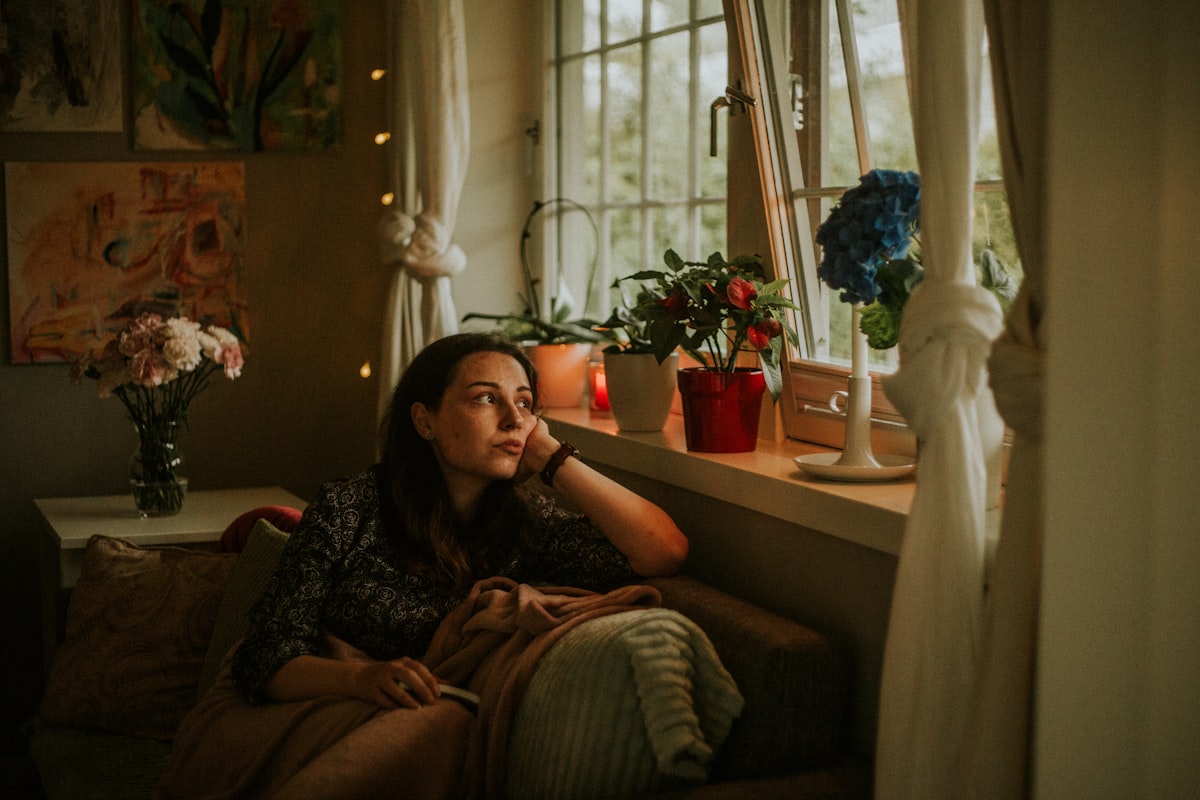
You close the laptop at 10:40 on a Tuesday and expect to be asleep by 11:15. It won’t happen, and the reason isn’t mysterious: the last hour went to email, a group chat that turned needlessly sharp, and headlines nobody needed, and now you’re asking the same wired brain to go quiet on command. The switch you’re reaching for doesn’t exist. If you’ve been auditing what not to do before bed, this is the list I wish someone had handed me a decade earlier, nine habits that each carry a little of your night out the door. The fix for all of them, the runway itself, is in the wind-down routine guide.
Key takeaways
- The last hour is the part of the day you control most completely, and nine common habits quietly ruin it.
- Bright light in the final two hours holds melatonin down and shoves the body clock later.
- Arousal is the other thief: whatever the mind was doing follows you to bed.
- The two highest-yield stops are the big overhead lights and the phone within arm’s reach.
- Stop one or two, not all nine tonight. Shrinking keeps the thread.
1. Stop using the big overhead lights
After dinner, stop using the big overheads. Lamps, shades half down, the kitchen dim, nothing in the house brighter than a bedside lamp. Every bit of brightness after dark is a small argument with the melatonin we met earlier, and the numbers are humbling: even a hundred lux in the evening can measurably hold back melatonin, Harvard researchers have found, and that’s roughly a dim hallway, not a stadium. You don’t need a cave. You’re just letting dusk exist indoors.
2. Stop scrolling
The feed in the final hour is a live wire dressed up as a wind-down. The light is half the problem; the other half is arousal, whatever strangers were arguing about following you under the covers and calling itself thinking. Nothing with a comment section gets in. The full case, evidence included, is in why scrolling keeps you awake.
3. Stop answering work email
Work email isn’t relaxation, it’s a shift. The inbox assigns you a small task with a deadline attached at the exact hour your body is asking to stand down, and the thread you opened at ten lives on your ceiling at midnight. Whatever can’t wait until morning should go to tomorrow’s list on paper, not to your thumbs in bed.
4. Stop having the argument
The group chat that turned sharp over dinner plans, the disagreement you want to settle tonight: charged content has no slot. An argument in the last hour is the purest form of arousal there is, and your brain will keep composing the reply after you put the phone down. The reply drafts better at nine in the morning anyway.
5. Stop the late caffeine
Caffeine doesn’t add energy so much as hide the receipt for energy you already spent, and the receipt arrives at eleven. If your cutoff has drifted later and later, how long before bed should I stop drinking coffee walks the math. The last hour should be caffeine-free by a wide margin, not by minutes.
6. Stop the nightcap
Wine feels like an off switch because the quick heaviness arrives first, but sedation and sleep are different things, and the second half of a drinking night pays for the first. Keeping the ceremony and firing the chemistry is the trade that holds: the mug in the dim kitchen, not the glass. More in does alcohol help you sleep.
7. Stop the hard workout at the last minute
Movement in the evening is fine; the myth that it wrecks sleep has retired. What survives scrutiny is narrower: vigorous work raises core temperature and heart rate, and both need an hour or two to descend before your body accepts the idea of bed. A lazy walk out to the recycling bin and back is the last-hour version. If you train at night, can I work out at night has the timing rules.
8. Stop running tomorrow in your head
Tomorrow’s logistics deserve a slot, and midnight isn’t it. Clothes over the chair, bag by the door, the first three tasks written on a scrap of paper at nine-thirty, so every loop you close early is a loop your sleeping brain doesn’t hold open. If the scraps grow into pages of worries, that’s the worry page, and the worry journal method belongs earlier in the evening than the wind-down.
9. Stop letting the phone sleep next to you
Even face-down, it lights up when a message lands, and a dark room with a glowing rectangle on the nightstand isn’t a dark room, it’s a dim one with a notification habit. It charges somewhere that isn’t your bedroom, on the kitchen counter or a hallway shelf, with a ten-dollar alarm clock handling the morning. The full custody arrangement is in should I charge my phone outside the bedroom.
What to do with the hour instead
Stopping nine things leaves a hole, and a hole with nothing planned for it is how the phone gets rehired. Fill it with three slots, one move each: something dull and physical for the body, something quiet for the mind, one act of staging for the room. Lamps instead of overheads, ten slow breaths at the sink, twenty pages of a paper novel. The whole template lives in what to do the hour before sleep.
One honest warning: the first stretch will feel pointless, and nothing seems to happen on night four. Conditioning takes about two weeks. Grade attendance instead of sleep, shrink the routine instead of quitting it, and around day ten something small shifts. The sequence begins pulling you, instead of you pushing it.
Frequently asked questions
What should I not do before bed?
The short list: big overhead lights, feeds, work email, arguments, a last caffeine, evening wine, hard workouts too close to bedtime, tomorrow’s logistics in your head, and a phone charging within arm’s reach. Each one either pushes light into the dusk window or carries arousal under the covers.
Why is bright light in the last hour such a problem?
Because in sleep labs, melatonin starts rising about two hours before usual bedtime, but only in dim light. Bright light in that window holds the hormone down and quietly shoves the body clock later, which is why an eleven o’clock scroll shows up as a midnight brain.
Is the last-hour caffeine really that impactful?
It’s the habit with the longest lag. Caffeine doesn’t add energy, it hides the receipt, and the receipt tends to land after lights out. If your evenings are wired and your cutoff has drifted, this is the first dial to move back.
What if I can’t quit all nine habits tonight?
Pick one or two. The two that carry the most weight are dimming the house after dinner and parking the phone outside the bedroom. A single dim corner that belongs to you for forty minutes is enough, and the rest of the house can blaze away if it wants to.
What should I do in the last hour instead?
One low-effort move per slot: something dull and physical for the body, something quiet for the mind, one act of staging for the room. The brain isn’t a lamp. It’s a jet on approach, and it needs the long glide, the slowing circles, the runway.
Nine stops, and the hour starts working for you instead of against you. The full wind-down, menu included, is in Sleep, Finally.
This guide is educational, not medical advice. If sleep trouble persists three or more nights a week for three months despite a real wind-down, a doctor and CBT-I are the right next step.