Screens & Sleep
A Half Hour to Fill: Replacing the Feed on Purpose
By Nora Vale · December 1, 2025 · 7 min read
Here’s what nobody warns you about banning the phone: you get a hole where the scrolling used to be, and a hole with nothing planned for it is how the phone gets rehired. The half hour to fill is the most under-managed real estate in the whole evening, and this piece is about hiring deliberately instead of letting the feed apply for its old job back. The docking decision that creates the hole is covered in my screens and sleep guide, along with the ten-dollar clock that makes it stick.
Key takeaways
- Removing the feed creates a vacancy, and vacancies get backfilled by Thursday unless you plan them.
- The menu: one thing for the body, one for the mind, one for the room. Same order every night.
- The test for any replacement: can it end on its own, and does it come with a feed.
- Boring is the qualification, not the flaw. Conditioning, not magic.
- The evening will rehire something for the slot. You might as well choose.
The vacancy problem, stated honestly
The phone left a job vacancy, and your evening will rehire something for the slot. That’s not a moral failure, it’s physics: the half hour between the dishes and lights-out used to belong to something, and when it goes empty the most interesting object in the house gets the job back within days. “The feed never made anyone into that second person. That’s not its business model.” The second person, the one who sleeps, needs the slot filled on purpose.
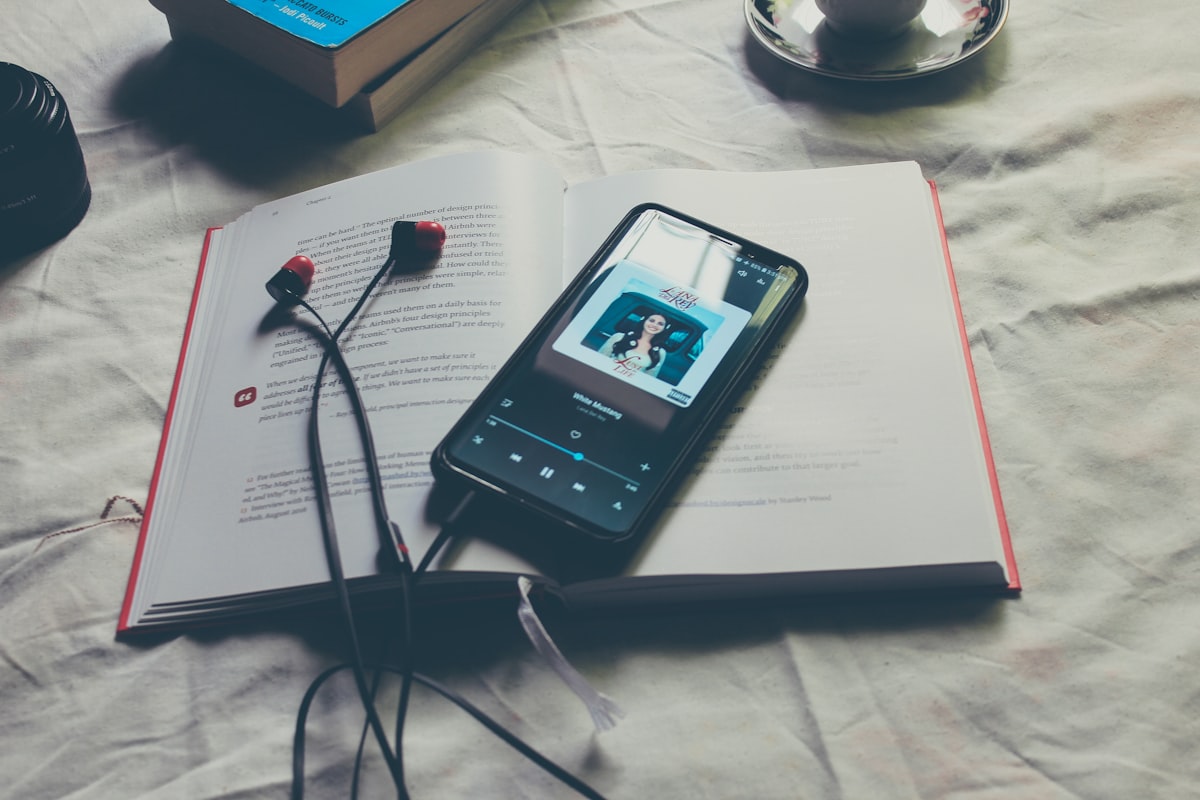
My own version, on a normal Tuesday, costs nothing and looks almost too plain to describe. Dishes done by nine, phone on the counter at nine-thirty, the lights down to lamps. Twenty minutes of stretching on the floor while the radio murmurs, then a few pages of a paperback with a cracked spine, then lights out. It sounds like nothing. It is nothing, and that’s the point. It took me an embarrassingly long time to stop apologizing for plain evenings.
The menu: body, mind, room
The structure comes from the wind-down in chapter 1, and it’s three picks instead of one so the half hour has a spine. One low-effort thing for your body: a warm shower, gentle stretching on the living room floor. One for your mind: tomorrow’s list on paper, a chapter of a novel that asks nothing of you. One for the room: lights down to lamps, tomorrow’s clothes out, the kitchen reset. Same order each night, because the repetition is the mechanism. “Conditioning, not magic.”
The pattern works because each item is a small closing ceremony, and the evening needs one. A shower works. So does stretching on the floor, or ten pages of a paper book, or any of the options on the fuller menu. “The point was never the liquid. The point was the hour it marked.” The half hour marks the hour when you stop being a person who processes things and start being a person who sleeps.
If you’re building the sequence from scratch, the ready-made version is in what to do the hour before sleep, and the full case for why the room should get boring is in should I charge my phone outside the bedroom.
The hiring test: two questions for every candidate
Not every screen deserves to be fired, and a blanket ban is how the plan dies by Wednesday. “The test for any screen habit you want to keep is two questions: can it end on its own, and does it come with a feed. If the answers are yes and no, in that order, it can probably stay.” A paper book passes both. An e-ink reader with the front light kept low behaves enough like paper to make a fair stand-in, and the page doesn’t ping. A podcast or an audiobook with a sleep timer passes, and a familiar-voiced show at low volume has carried me to sleep more nights than I can count, though the trick is the timer, so it doesn’t talk until dawn.
A phone displaying a book fails the second question, because the entire arcade is one swipe away, and at 10:40 you know exactly which one wins. The same test handles the streaming question: turn auto-play off, because it’s a setting, not weather, and a rerun can’t ambush you the way a new episode does. You already know who dug the hole.
When the vacancy fights back
Expect the first evenings to feel itchy, and expect the reasoning to arrive around day four: one small check wouldn’t hurt. It’s the withdrawal doing its work, not evidence the plan failed. The answer isn’t a better argument, it’s a fuller slot, which is why the same order every night matters more than the specific items. A bored feeling in the new half hour isn’t a problem. It’s the slot announcing itself, and it passes by the second week.
And when a night falls apart anyway, lose the half hour and start over the next evening without treating it like a moral event. The feed is patient. You just have to be more stubborn than it is, which only works if you’re not also tired, so sleep first, fight later.
One last note on why the plain version beats an ambitious one. Elaborate evening plans fail for the same reason elaborate diets do: they demand a performance every night, and some nights you have no performance in you. The three-pick menu asks almost nothing, which is exactly what a tired person can still do at nine-thirty. Stretching happens even on the bad days. Two pages happen. The list gets written. Small closes reliably, and closing is the whole job. A half hour that only works when you’re rested was never going to fix your nights.
The book behind this chapter, with the full evening protocol, is Sleep, Finally. Write your three picks on paper tonight, and give the vacancy its notice.
Frequently asked questions
Why do I go back to scrolling after docking the phone?
Because you get a hole where the scrolling used to be, and a hole with nothing planned for it is how the phone gets rehired. The vacancy is real, and it needs a deliberate hire, not willpower. Around day four the reasoning that one small check wouldn’t hurt will feel fresh. It isn’t.
What should fill the freed half hour?
One low-effort thing for your body, one for your mind, one for the room, same order each night. A shower, a stretch, tomorrow’s list on paper, a few pages of a paperback. It sounds like nothing. It is nothing, and that’s the point: the hour is what it marks, not the content.
Can the replacement be screens, like an e-reader?
Some can. The test for any candidate is two questions: can it end on its own, and does it come with a feed. An e-reader with no notifications passes, audio with a sleep timer passes. A phone displaying a book fails, because the entire arcade is one swipe away.
How long until the new half hour feels normal?
The first evenings feel itchy, which is withdrawal doing its work, not evidence the plan failed. Give it a week of the same order each night. Conditioning, not magic, and the boring version is the one that holds.
This guide is educational, not medical advice. If evenings feel unfillable because stress or low mood is doing the talking, that’s a conversation for a doctor rather than a longer reading list.