Screens & Sleep
Best Alarm Clocks to Replace Your Phone: 5 Picks
By Nora Vale · December 7, 2025 · 7 min read
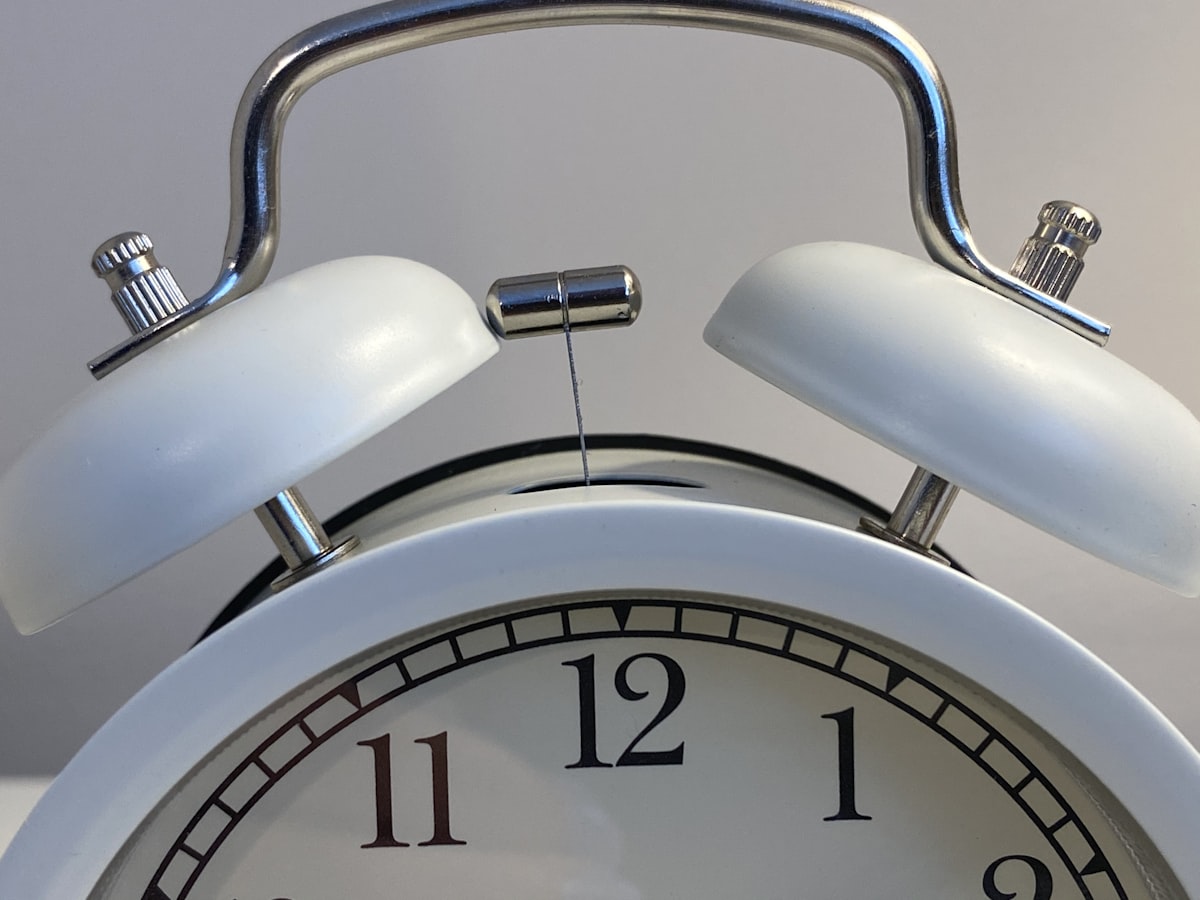
The alarm clock is the phone’s last respectable excuse, and it deserves a straight answer before any product list. A phone that’s only an alarm is a phone that never gets checked, and nobody owns one of those. The alarm lives inside the casino, one unlock away from everything, which is why the best alarm clocks to replace your phone are the ones that do one job and can’t do anything else. “The highest-yield screen rule I know, the one that changed my nights more than any glasses, app, or setting, costs about ten dollars.” The full case for the swap is in my screens and sleep guide.
Key takeaways
- The best clock is the one that does one job: wakes you up, offers nothing else.
- A dim display and a battery backup matter more than any feature list.
- Clock radios with sleep timers replace the fall-asleep-to-audio habit honestly.
- Ten dollars covers the essential move. Everything above is comfort.
- Pick the clock first, dock the phone second, and tell the house.
What to look for before any specific pick
Three traits separate a good replacement from a gadget that ends up in a drawer. First, a dim display, because a glowing clock face is its own small light thief, and the best clocks go dark or nearly dark at night. Second, a battery backup, because the one morning the power blinks should not be the morning the rule breaks. Third, an alarm sound you can live with, since a wake sound you hate teaches you to resent the whole arrangement.
Notice what’s not on the list: notifications, apps, a screen. The point of the purchase is subtraction. If a clock offers YouTube or weather or email, it’s a phone with a worse screen, and the alarm is still living inside the casino.
Pick 1: the basic digital, around ten dollars
The cheapest honest option, and the one I’d buy first. A small digital clock with a dimming display, a battery backup, and a buzzer. It does one job. It can’t do anything else. That’s not a limitation, it’s the entire value proposition, because the reason the swap works is that nothing on the nightstand asks your brain a question anymore.
This is the pick for most people, and especially for anyone who suspects they’ll miss the phone at first. The lower the stakes, the easier the week. The fuller setup around it, including where the phone docks instead, is in should I charge my phone outside the bedroom, and the anatomy of the excuse is in phone as alarm clock problem.
Pick 2: the analog clock, for people who stare at the time
An analog face has one quiet advantage in the bedroom: it shows time as position, not as a glowing number, and it’s harder to do the 3 a.m. arithmetic on a clock hand than on a lock screen. If you wake at night and immediately calculate hours left, an analog clock with softly lit hands removes the invitation. Pair it with the rules in why an analog clock beats your phone at night and the arithmetic loses most of its grip.
Pick 3: the clock radio with a sleep timer, for audio sleepers
If you fall asleep to audio, this pick keeps the habit and fires the feed. A clock radio with a sleep timer covers the wake-up and the wind-down in one device, with no feed attached. The trick is the timer, so it doesn’t talk until dawn, and a familiar-voiced show at low volume has carried me to sleep more nights than I can count. This is the pick that answers the objection “but I need sound to fall asleep” without ever putting the phone back on the nightstand.
Pick 4: the sunrise alarm, for dark-morning seasons
A wake light that brightens before the alarm is a comfort pick, not a necessity, and it earns its place in one specific situation: dark mornings, when waking to a buzzer in a black room feels like a fire drill. The light does the gentlest part of the job and the buzzer becomes a backstop. It’s the most expensive pick on this list, so treat it as an upgrade after the basic swap has held for a month, not as the entry point. If sunrise waking interests you beyond the clock, the wider question is covered in are sunrise alarm clocks worth it.
Pick 5: the travel alarm, to keep the rule on the road
The cheapest pick of all, and the one that protects the rule the day it’s most likely to break. A tiny battery travel alarm lives in your bag, which means hotel nights and guest rooms don’t reopen the phone-on-the-nightstand exception. Rules break on the road far more often than at home, and a five-dollar clock in the luggage closes most of those gaps. If travel is where your evenings fall apart, the hotel version of the whole problem is in how to make a hotel room sleep-friendly.
Making the swap, in order
Buy the clock before you move the phone, so the alarm excuse never has a night in court. Dock the phone where the reflex can’t reach: the kitchen counter, a hallway shelf, anywhere the feed needs shoes. Tell the house, because a rule nobody explained reads as a mood, and moods get negotiated with at midnight. The first few nights feel strange, like part of your hand is missing, and then the bed gets boring, and “boring is the on-ramp to sleep.”
The realistic score is six nights out of seven, with the seventh a bad-news week, and then a fresh start without treating it like a moral event. The book behind this chapter, with the full evening protocol, is Sleep, Finally. Pick your clock tonight. It’s the ten dollars that ends the argument.
Frequently asked questions
Why replace my phone with an alarm clock?
Because the alarm is the phone’s last honest excuse for sleeping next to you, and the alarm lives inside the casino, one unlock away from everything. A ten-dollar clock does one job, and the phone stops sleeping in reach, which moves the light, the feed, and the job out of pillow range in one motion.
What should I look for in a phone-replacement alarm clock?
A dim display or none, a battery backup, and a wake sound you can live with. If you fall asleep to audio, a clock radio with a sleep timer covers that too, with no feed attached. Anything with notifications or apps is a phone with a worse screen.
How much do I need to spend?
Less than you think. The highest-yield screen rule I know, the one that changed my nights more than any glasses, app, or setting, costs about ten dollars. The basic digital covers the essential move, and everything above that is comfort rather than necessity.
Will I miss my phone’s alarm?
For the first few nights, maybe. Then you stop waking up to a slot machine, and the hand that closes on nothing at 3 a.m. becomes the whole trick. Distance does what do-not-disturb never could, because the phone can’t whisper to you from the kitchen.
This guide is educational, not medical advice. If you consistently sleep through alarms or struggle with excessive daytime sleepiness, that’s a conversation for a doctor rather than a louder buzzer.