Shift Work & Jet Lag
Best Sleep Masks for Blocking Daylight
By Nora Vale · May 30, 2026 · 6 min read
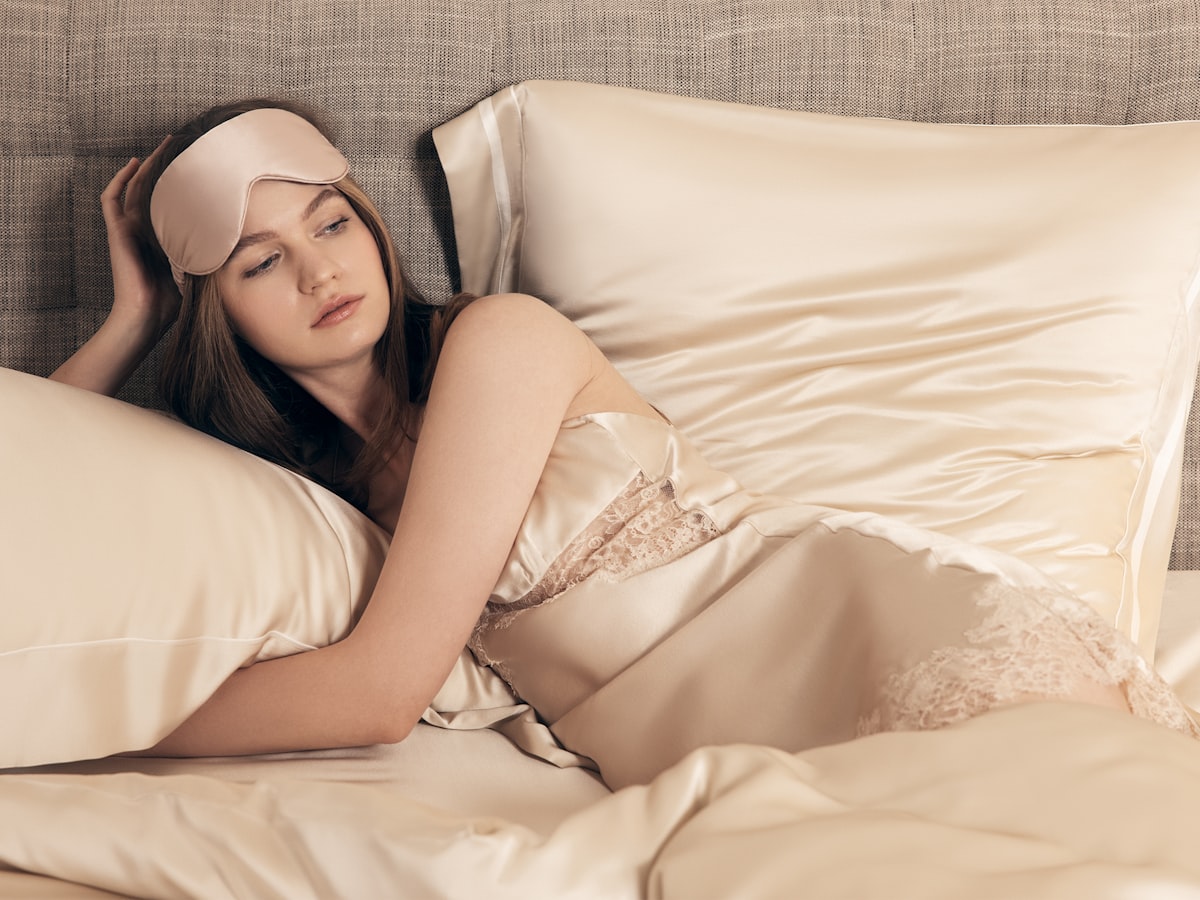
The first sleep mask I bought for day sleep, after a decade of working around night shifts and naps on airplanes, failed at the one job it had: I woke at noon with a stripe of sunlight across my face, because the mask had slid up while I slept and the cheap elastic had surrendered somewhere around 10 a.m. If you’re shopping for the best sleep masks for blocking daylight, that failure mode is the one to design against, and most product pages never mention it. Let’s go through what actually matters, honestly, including where a mask stops being the answer.
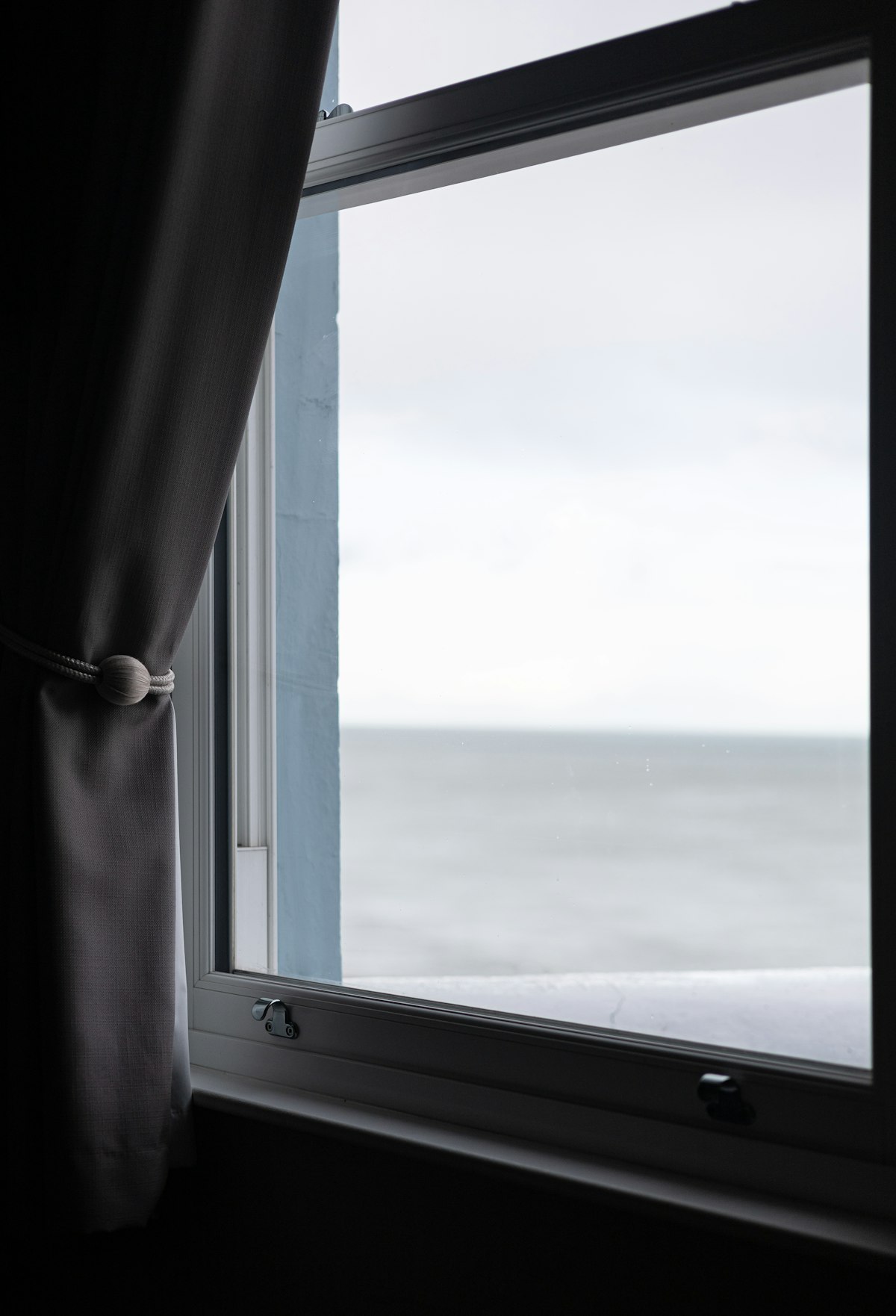
The honest context first. The shift work sleep guide is blunt about where the real work happens: “Your bedroom needs to be cave-dark at one in the afternoon, which usually means covering the glass itself.” A mask is the last layer of that defense, not the first. If your options are a $150 mask in a leaky room or a $12 roll of foil behind the curtain, the foil wins. The mask earns its place once the room is handled, or in places the room can’t be handled: hotels, cars, airplanes, other people’s houses.
Key takeaways
- A mask is the last layer of daylight defense; the room’s glass coverage comes first.
- The three traits that matter: contoured edges that seal at nose and temples, zero eyeball pressure, and a strap that survives side sleeping.
- The nose gap is where most masks fail. Test it in daylight before you commit.
- Cheap masks that meet all three traits beat expensive ones that don’t. Spend the money on sleep, not the story.
- A mask removes light at your eyes but not the circadian alerting signal climbing through the day.
What actually blocks daylight in a mask
Light reaching your eyes in a mask comes through three routes, and knowing them tells you what to check.
The first is leakage at the edges, and it’s the big one. Light doesn’t go through fabric; it goes around it. The classic flat mask fails at the nose, where the fabric bridges and a bright triangle leaks upward, and at the temples, where the strap pulls the edge off your face. Contoured masks with molded eye cups, or flat masks with a weighted or gasketed nose bridge, exist specifically to fix this. The test is simple and free: put the mask on in front of a bright window at the brightest hour you sleep, eyes open, and look for the leak triangles. Any mask that passes that test in daylight will pass it asleep.
The second is pressure, and it’s subtler. A mask that presses on your eyeballs can induce visible imagery, the phosphenes some people mistake for light leaks, and it shifts micro-sleep position all night. A contoured cup lets your eyes move during REM without touching fabric, which matters more than most reviews admit. If you’ve ever rejected masks as “claustrophobic,” you’ve probably only tried the flat, pressing kind.
The third is the strap, and it’s where my first mask died. Thin elastic stretches, slides up the back of the head, and migrates the mask. A wide, adjustable strap, or a wraparound band design, holds position through side sleeping. If you sleep on your side, also check the cup depth at the temple: a deep cup that touches the pillow transfers pressure directly to your eye.
Where masks fall short, honestly
No mask fixes the room. That bears repeating because it’s the mistake I see most often: someone buys a good mask, sleeps in a bedroom with a glowing streetlight through thin curtains, and concludes masks don’t work when they wake repeatedly anyway. Light affects sleep through more than your eyes, and the book’s whole economics of day sleep assume the room is the project: “Spend the money on sleep, not on the story.”
There’s also the wake-up problem no mask can solve: your circadian clock. Day sleep fights an internal force, the alerting signal your own body clock raises as the day runs on, and no amount of eye-level darkness changes that signal. The mask’s honest job is to stop daylight from fragmenting the sleep you do get, not to make your body believe it’s night. The clock gets moved by anchor timing and light management at the shift’s ends, covered in how to sleep after a night shift and wear sunglasses on the ride home from nights.
And there’s the comfort reality: some people simply can’t wear a mask, whether because of eyelash sensitivity, claustrophobia, or skin reaction to synthetic fabrics. If that’s you, the room becomes even more important, and are sleep masks better than blackout curtains walks through what to prioritize instead.
The short list of what to check before buying
I’m not going to pretend there’s one best mask, because the honest answer depends on how you sleep. But the checklist is the same regardless of brand, and it takes ten minutes to run through in a store or on arrival:
- Seal test at a bright window, eyes open, looking for nose and temple leaks.
- Cup depth that lets you blink freely with the mask pressed lightly against your face.
- A wide, adjustable strap, preferably with a grippy interior surface.
- Fabric that survives your skin: cotton or smooth synthetics if you react to coarse weaves.
- Washability, because a mask lives on your face for hours and collects what faces produce.
- For side sleepers, a low profile at the temple so the cup doesn’t hit the pillow first.
Weighted masks deserve a specific note. The gentle pressure helps some people relax, in the same way a weighted blanket helps some sleepers, covered at do weighted blankets calm a racing mind. But weight and light-blocking are unrelated features, and a heavy mask that leaks isn’t better than a light one that seals. Decide which problem you’re solving.
The same logic applies to the smart-mask category, the ones with built-in audio or heat. Those features can be pleasant, but they’re not daylight defense, and they add failure modes and price. For a mask whose job is blackout, the boring mask that seals is the answer. If you’re evaluating masks specifically for waking mid-sleep, best sleep masks for middle of night waking and best sleep masks for late weekend mornings run the same checklist for narrower situations.
Pairing the mask with the rest of the day-sleep system
A mask works as part of a system, not alone. The anchor block gives your body a window it can count on, covered in anchor sleep for shift workers. The room handles the glass, and blackout bedroom for day sleep and diy blackout hacks for renters cover that layer. Earplugs or a fan handle noon noise, since quiet is harder at noon than at midnight and “it’s the change in sound that drags you up out of sleep.”
In that system, the mask earns its keep in three specific places. As backup in a room that’s almost dark, catching the rim of light around even good curtains. As the primary in spaces you don’t control, hotel rooms and break-room naps, where how to make a hotel room dark and quiet builds the same system into a suitcase. And as the portable layer for travel days, where the mask plus earplugs pair is the smallest honest version of a dark room you can carry.
Honest limits
Masks are a small, cheap tool, and this post can oversell them exactly the way marketing copy does. The limits worth naming: a mask does nothing for noise, nothing for heat, nothing for the alerting signal, and it doesn’t darken the room. If your day sleep is short and fragmented, the highest-value fixes are still the anchor block and the glass coverage, and the mask comes third. If daylight leaks aren’t actually your problem, if you wake from noise or from your own clock, a better mask changes nothing, and how dark for day sleep is the diagnostic to run first.
There’s also no independent certification for light blocking in consumer masks, so any percentage claim on a product page is marketing, not measurement. Your own daylight seal test beats every number on the box.
Frequently asked questions
Do sleep masks actually block enough daylight for daytime sleep?
They help, but they have a ceiling. A good mask blacks out the eyes; it doesn’t darken the room, and light reaching the rest of your skin and environment still matters. The book’s standard is a bedroom that’s cave-dark at one in the afternoon, with the mask as backup rather than the plan.
What should I look for in a sleep mask for daylight blocking?
Three things: contoured or well-gasketed edges so no light leaks in at the nose and temples, no pressure on the eyeballs themselves, and a strap that holds position through side sleeping. A cheap mask that meets all three beats an expensive one that fails the nose gap test.
Is a sleep mask better than blackout curtains for day sleep?
They solve different problems. Curtains darken the room, the mask darkens your eyes, and the book’s own advice prioritizes covering the glass itself. The strongest setup is a darkened room first, mask second, which is why the comparison deserves its own honest look.
Will a sleep mask stop my 3 p.m. wake-ups?
Light is only one force. Your circadian alerting signal climbs through the day no matter how dark your eyes are, and noise breaks sleep from another direction. A mask removes one opponent; the anchor sleep block and a quiet, dark room handle the others.
The whole day-sleep setup, room, mask, anchor, and light timing, is one connected plan in Sleep Finally.
This article is educational, not medical advice. If persistent daytime sleepiness lasts for months despite a dark room and honest effort, bring it to a doctor.