
East vs. West Jet Lag: Why One Direction Hurts More
East vs. west travel jet lag comes down to one fact: clocks fall asleep later easily and earlier reluctantly. Light timing decides which direction forgives you.
East vs. west travel jet lag comes down to one fact: clocks fall asleep later easily and earlier reluctantly. Light timing decides which direction forgives you.

Jet lag recovery runs about one day per time zone crossed, and the shape of those days is predictable. Here's the timeline, and what shortens it honestly.
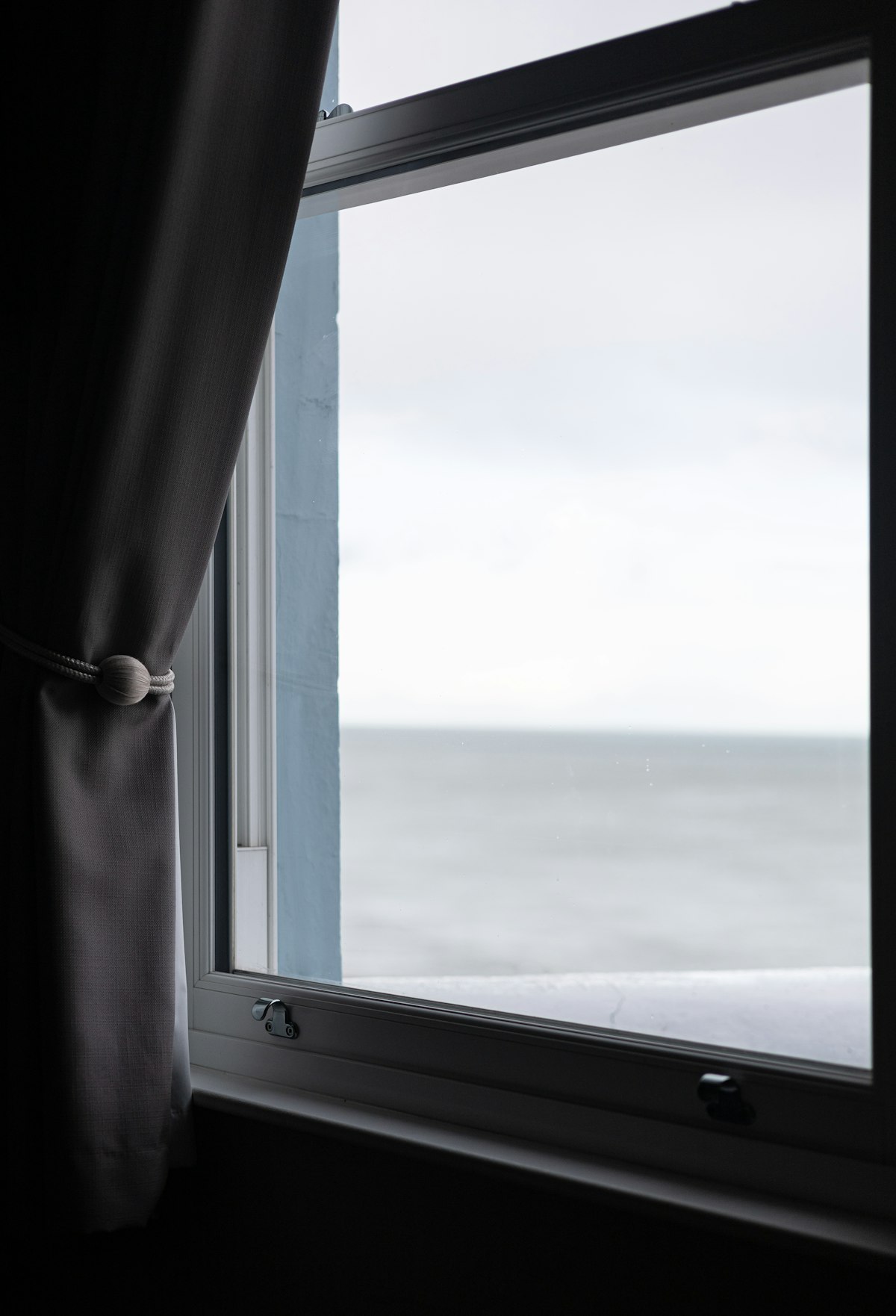
A blackout bedroom for day sleep means covering the glass itself, not adding curtains: cardboard, foil, earplugs, and a fan that lets you sleep at noon.
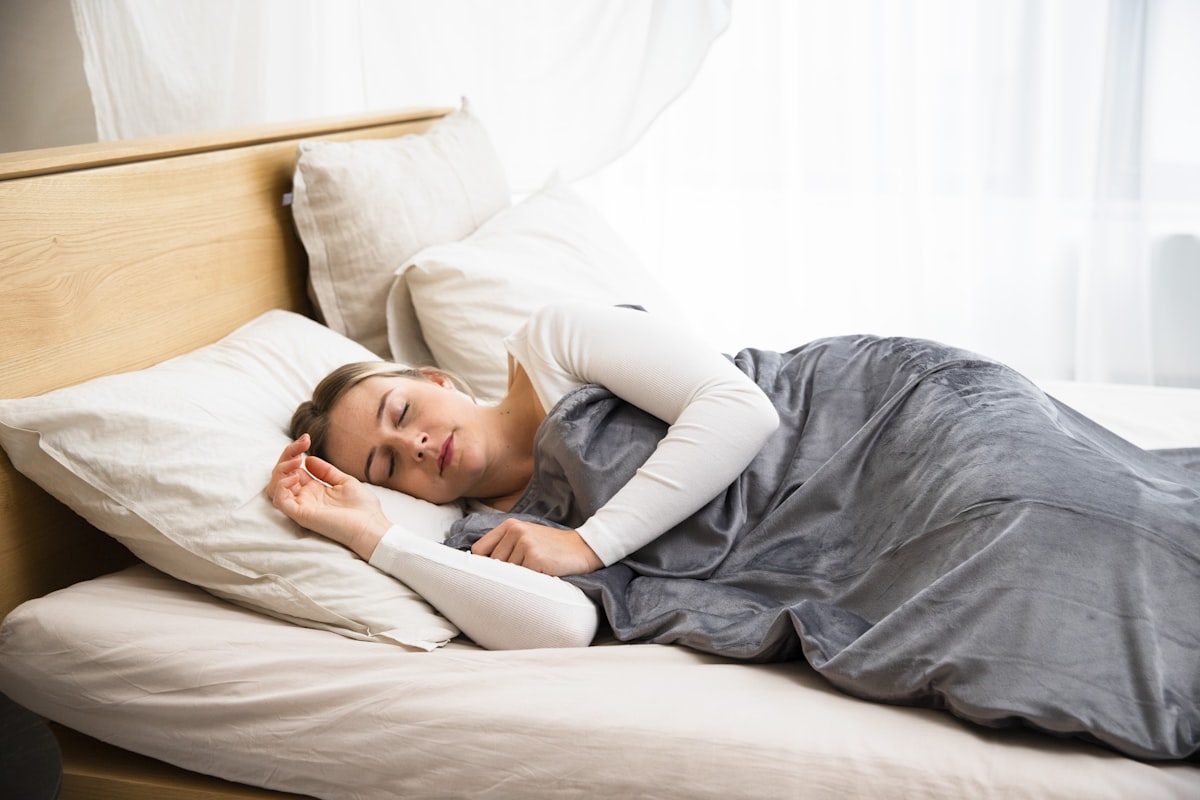
How to sleep after a night shift comes down to two moves: an anchor sleep block your body can count on, and a room dark enough to fight noon.
An anchor sleep block schedule gives shift workers one protected 3-4 hour sleep window at the same time daily, days off included. Here's how to build yours.
A light meter for light therapy promises precision, but your habits need consistency more than lux numbers. When measurement helps and when it is a distraction.
How dark for day sleep? Cave-dark at noon: eyelids leak light, gray glow shaves sleep, and covering the glass itself is the fix that actually holds.
When to eat on a night shift matters because meal timing is a clock input. The big meal belongs early in the shift, the 4 a.m. feast backfires twice.
The second night shift feels hardest because night one steals your sleep debt-free day, and night two runs on a deficit with your clock still on day time.

The best sleep masks for blocking daylight share three traits: full blackout at the edges, zero eye pressure, and a fit that survives side sleeping.