Wind-Down Routines
Blue Light Glasses at Night: Do They Work
By Nora Vale · May 4, 2025 · 7 min read
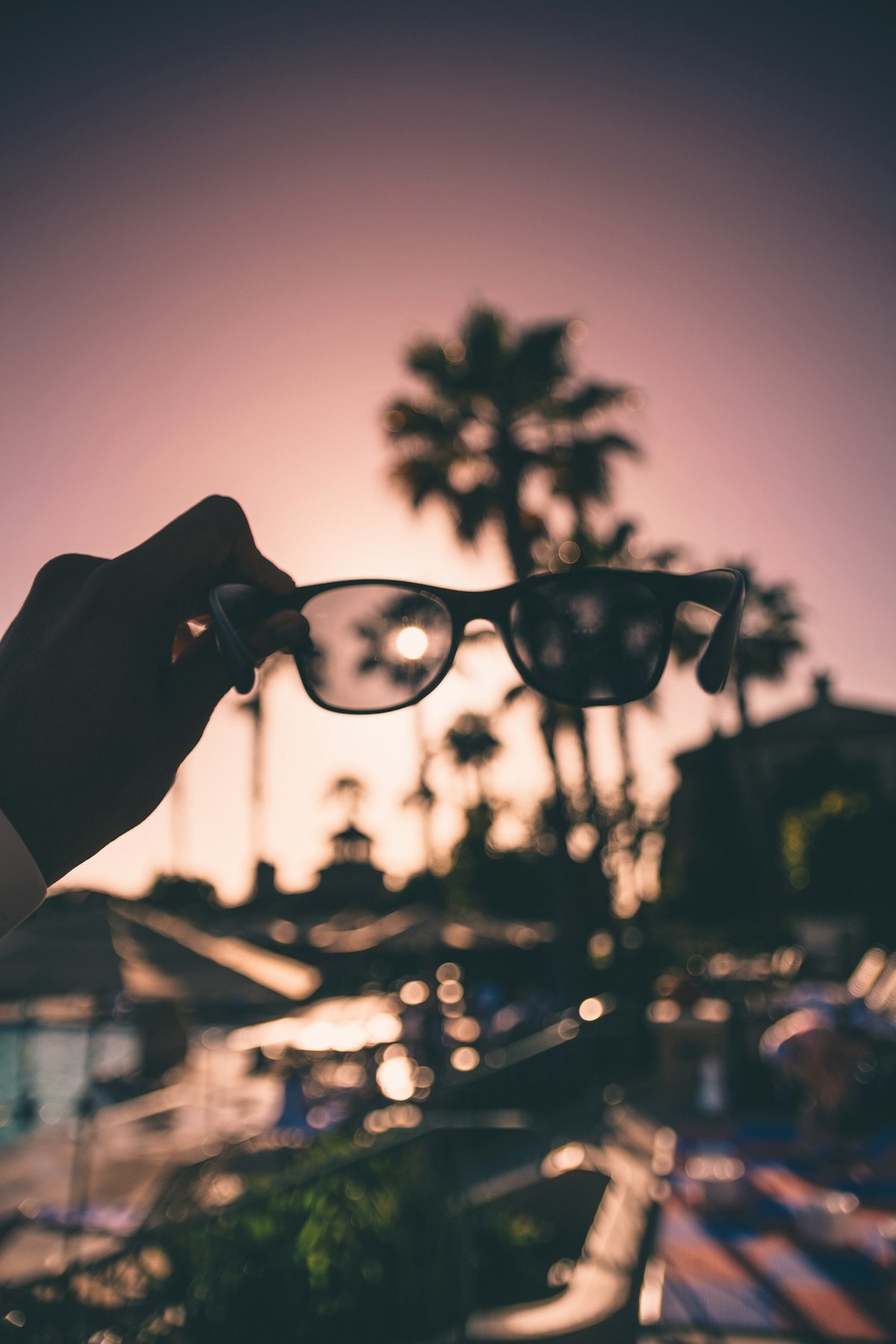
I wore a pair of amber-tinted blue light glasses every evening for a month, and my sleep log moved about as much as my electric bill. I mention that up front because you have probably seen the ads, the ones with the woman grimacing at a laptop in a dark room, and I want to save you the forty dollars and the disappointment. The glasses are not a scam exactly. They are a solution aimed at the smaller of two thieves, and in my house the smaller thief barely showed up. This post unpacks where the blue light panic came from, what the actual research says, and what to do in the last hour instead, with more detail in the wind-down routine guide.
Key takeaways
- Blue light from ordinary evening screen use has a real but modest effect on most adults.
- Screens hurt sleep through two doors: light, and content that keeps your mind switched on. The glasses only address the first.
- The famous 2015 tablet study involved hours of bright, close-range light, not a quick weather check.
- Dimming the house after dinner and docking the phone outside the bedroom beat any lens I ever bought.
- Night mode and dimmed screens are still worth doing, because they cost nothing.
What blue light glasses actually do
The mechanism they sell is real, which is what makes the pitch durable. Light arriving at the back of your eye after dark tells the ancient timing equipment in your brain that the day is still running, and melatonin, the hormone that starts opening the door to sleep, holds off until the light goes away. Amber lenses filter a chunk of that light. So yes, the glasses do the thing on the box. The question the ads skip is how much of your sleep problem was ever light.
Mine wasn’t. My worst stretch of nights happened during a month when I was reading on a dimmed e-reader and wearing the glasses like a dutiful research subject, and I still lay there rehearsing emails. The light was filtered. The worry was not. That gap between what the lens touches and what keeps you awake is where most of the blue light glasses story lives.
The two thieves, and only one gets marketed
Here is the frame that helped me stop arguing about lenses. The phone in your hand is two thieves working together. One is light, and one is a job. The light thief makes you less sleepy at exactly the hour sleepiness should arrive. The job thief is the feed, the replies, the group thread, the small tasks that arrive on someone else’s timing, and each one is a small dose of alertness, which is the opposite of what eleven at night is for.
The book I keep coming back to puts it bluntly. The author bought the glasses too, and reports the same result I got.
“I bought the glasses, and they did roughly nothing, because the honest version of this science is smaller than the headline and calmer than the caption, and the glasses were solving for the thief who barely showed up that night.”
That is the whole review, honestly. The glasses went in a drawer. The phone went to the kitchen. Only one of those moves ever helped, and you can probably guess which.
There is a second problem with blaming photons, and it is that the feed steals something the glasses can’t guard. Content matters more than brightness, because your brain doesn’t respond to screens as glowing rectangles, it responds to what’s on them. A stranger being confidently wrong about pasta water at 11:20 does more damage than the backlight ever did.
The 2015 experiment everyone half-remembers
The study behind most of the panic is real and worth knowing properly. In 2015, researchers at Brigham and Women’s Hospital in Boston had people read for hours before bed, some on light-emitting tablets and some on printed books. The tablet readers’ melatonin arrived about ninety minutes late. They took roughly ten minutes longer to fall asleep, spent less of the night in REM sleep, reported groggier mornings, and their body clocks had shifted later as well.
Notice the dose, because the dose is the story. That result came from hours of bright, close-range light held about a foot from the face, night after night. It did not come from checking tomorrow’s forecast for ninety seconds. When researchers pool the bigger media studies, the average effect of screens on sleep comes out small, and the damage that does show up traces mostly to content that keeps the mind switched on and time spent scrolling that should have been time spent asleep.
So the honest scorecard sounds like this.
“So the honest scorecard reads like this: blue light from ordinary evening screen use has a real but modest effect on most adults, dimming your screens and switching on night mode after dark are worth doing because they cost nothing.”
Real but modest. Free half measures, fine. A glasses-and-panic package, oversold.
What actually moved my log
Two moves, both duller than a lens. First, dim the house after dinner, not just the phone. The big overhead lights in your kitchen and living room deliver more evening light to your eyes than any phone does, and the instruction I borrowed is wonderfully specific.
“after dinner, stop using the big overheads. Lamps, shades half down, the kitchen dim, nothing in the house brighter than a bedside lamp”
That costs a dollar in hardware and about ten seconds of habit. It also fixes the light problem for every screen-free hour of your evening, which the glasses never touched.
Second, the phone charges outside the bedroom. Mine lives on the kitchen counter beside the fruit bowl, and it goes there when the wind-down starts, not later when I’m already negotiating with myself in bed. A ten-dollar alarm clock took over the wake-up job. The first few nights my hand reached for a phone that wasn’t there, and then the bed got boring, and boring is the on-ramp to sleep. If you want the full evening sequence these two moves fit into, the post on how to wind down before bed walks it slot by slot.
If you keep one screen habit, keep the rule about feeds rather than photons: nothing with an infinite scroll in the final hour, even dimmed, even in a warm sepia glow. A dimmed doomscroll is still a doomscroll, and why scrolling keeps you awake covers what that hour actually costs.
Where glasses still earn their keep
I won’t tell you to bin them. If your evenings genuinely involve hours of bright close-range screens, design work at 10 p.m., gaming on a large monitor two feet from your face, the dose argument flips back in the glasses’ favor, and a pair costs less than most sleep gadgets. Night-shift workers get a version of this too, though their problem runs in the opposite direction and daylight on the commute home becomes the thing to block. If wearing the glasses doubles as the signal that your evening has started, that ritual has value the optometrist never advertised. Just keep the two bigger moves in place, and read the plain-language version of the screen science in blue light and sleep, what’s true before you upgrade to the eighty-dollar pair.
What this won’t fix
The honest limit, stated plainly. Glasses, night mode, and dimmed screens all treat light, and light is the smaller thief. If your problem is a mind that won’t stop working, a four-hour scroll habit, or a bedroom full of blinking LEDs, no lens will save the night, and the money is better spent on a cheap alarm clock that lets the phone sleep somewhere else. There is also a floor here: if you have slept badly most nights for three months or more, that is a conversation for a doctor, not for eyewear. The glasses were never going to carry that weight, and it’s kinder to say so than to sell you a tint.
Frequently asked questions
Do blue light glasses help you sleep?
A little, for a specific kind of night. They trim the light half of the screen problem, and the light half is the smaller half. My own pair did roughly nothing, because the thief eating my nights was the feed, not the photons.
Why did the Brigham and Women’s study matter if the effect is modest?
Because of the dose. People read for hours on light-emitting tablets held about a foot from the face, night after night. Melatonin arrived about ninety minutes late and they took roughly ten minutes longer to fall asleep. That is hours of bright close-range light, not a last check of the weather.
Should I still use night mode and dim my screens?
Yes. Both cost nothing and they treat the light half of the problem, which is real even when it is modest. Just notice what they don’t do, which is make a feed boring.
What works better than blue light glasses?
Moving the phone out of the bedroom and dimming the house after dinner. The glasses stayed in a drawer at my place. The phone moved to the kitchen, and only one of those two moves ever helped.
Are blue light glasses bad for you?
Not bad, mostly overpriced for the job they get sold for. If wearing them reminds you to wind down, the ritual has value. Just don’t let the glasses talk you into keeping the phone in bed, because the feed is the part that does the damage.
The chapter behind this post, including the glasses that went in the drawer, is in Sleep, Finally. Dim the overheads tonight, dock the phone in the kitchen, and give the amber lenses the weekend off to see what they were actually contributing.
This guide is educational, not medical advice. If sleep problems persist most nights for three months or more, talk to a doctor, and bring the glasses if you like, just expect them to stay off the differential.