Screens & Sleep
Blue Light Glasses: Do They Actually Work
By Nora Vale · December 19, 2025 · 7 min read
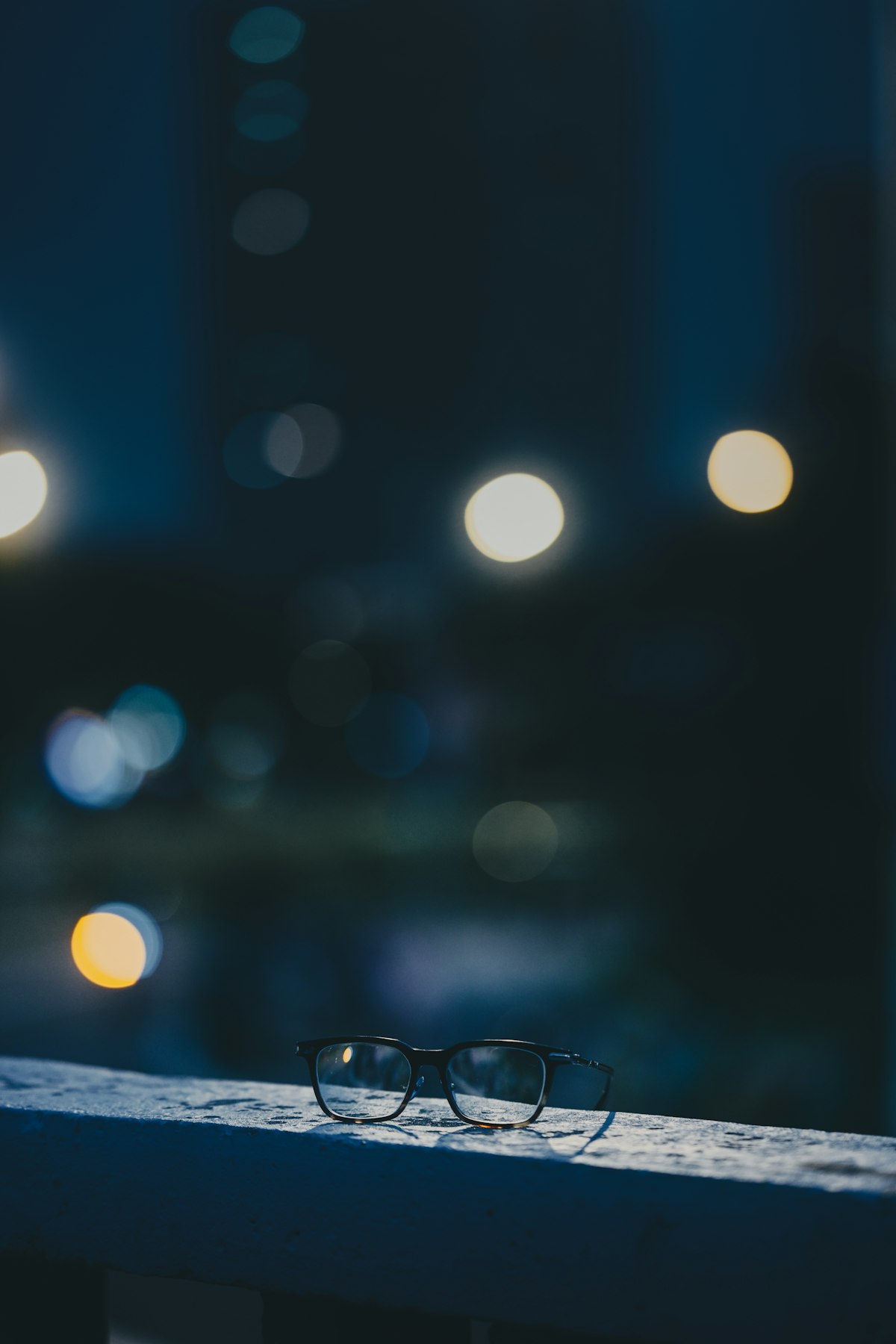
I bought the glasses. I want that on the record, because everything else in this piece is easier to hear if you know I paid for the thing I’m about to deflate. I wore them on evenings, I wanted them to work, and “they did roughly nothing.” The honest version of this science is smaller than the headline and calmer than the caption, and the glasses were solving for the thief who barely showed up that night. If you’re deciding whether blue light glasses work, here’s the scorecard from someone who owned them, and the full frame of screens at night is in my screens and sleep guide.
Key takeaways
- Blue light from ordinary evening screens has a real but modest effect on most adults.
- The famous study used hours of bright, close-range light, not a glance at the weather.
- Lux numbers deflate the panic: your own porch in July outranks every phone ever made.
- Night mode and dimming are free and cover most of the light effect.
- The glasses went in a drawer. The phone went to the kitchen. Only one move helped.
What the glasses claim, and what the study actually found
The claim rests on a real mechanism and a famous experiment, so let’s give both their due. Photons arriving at the back of your eye after dark tell the ancient timing equipment in your brain that the day is still running, so melatonin, the hormone that starts opening the door to sleep, holds off until the light goes away. In 2015, researchers at Brigham and Women’s Hospital in Boston ran the experiment this whole conversation keeps quoting: people read for hours before bed, some on light-emitting tablets and some on printed books. “The tablet readers’ melatonin arrived about ninety minutes late,” they took roughly ten minutes longer to fall asleep, and their body clocks shifted later as well.
Notice the dose, though, because the dose is the story. That result came from hours of bright, close-range light held about a foot from the face, night after night, not from a last check of tomorrow’s weather. “A phone is a small sun you hold about a foot from your face,” but the sun in most real evenings is small, brief, and dimmed. The glasses are calibrated, in effect, for the study’s worst case, which most evenings don’t reach.
The lux math that deflates the panic
Light is measured in lux, and the numbers are worth knowing before you spend money. Full daylight runs around ten thousand lux. A brightly lit office manages fewer than five hundred. A phone at arm’s length sits far below either, even at full brightness, and most of us dim it further in a dark room. “Your own porch in July outranks every phone ever made.” An hour of evening daylight, a walk after dinner or a commute home in June, delivers more light to your body clock than an entire night of scrolling does.
When researchers pool the media studies that follow children and teenagers, the big ones averaging hundreds of kids at a time, the average effect of screens on sleep comes out small. The damage that does show up traces mostly to two things: content that keeps young minds switched on, and time spent scrolling that should have been time spent asleep. Adults aren’t a different species, and neither are your evenings.
Why the glasses underperform in real bedrooms
Here’s the structural reason the glasses disappoint, and it isn’t that the science is fake. The phone in your bed is “two thieves working together”: a light thief and a job thief. The light thief is real but small at phone doses. The job thief is a slot machine that asks your brain a question with every swipe, plus notifications that tap your shoulder at times other people chose. Glasses only address the first one, and “most popular advice defends the smaller thief while the bigger one walks out the front door with your whole night.”
That’s why my pair did roughly nothing. The glasses dim the light while the feed keeps asking questions, and the questions cost more than the photons. “If the content wakes your mind up, it barely matters that the screen is dim, and if the feed eats forty-five minutes, no night-mode setting hands them back.” An amber tint doesn’t make a slot machine boring.
What I’d spend the money on instead
The honest scorecard reads like this: blue light from ordinary evening screen use has a real but modest effect on most adults, and dimming your screens and switching on night mode after dark are worth doing because they cost nothing. Take the free wins. Then spend the actual money where the effect is: “The highest-yield screen rule I know, the one that changed my nights more than any glasses, app, or setting, costs about ten dollars.” A real alarm clock, and the phone charging in the kitchen instead of the bedroom. The glasses went in a drawer years ago. The phone went to the kitchen, and only one of those two moves ever helped.
If the light story still interests you after the deflation, the deeper dive on what blue light does and doesn’t do is in blue light and sleep: what’s true, and the myth-by-myth version is in blue light myths: separating hype from evidence.
The one honest case for the glasses is the study’s own case: hours of bright, close-range screen light, night after night, like long evening reading a foot from your face. If that’s your actual pattern, the exposure is real and blocking some of it is at least aimed at the right target. For the average glance-and-scroll night, you’re paying for a solution to a problem you mostly don’t have, while the problem you do have needs a ten-dollar clock and a kitchen outlet. The book behind this chapter, with the full evening protocol, is Sleep, Finally.
Frequently asked questions
Do blue light glasses actually work for sleep?
The honest answer is less than the packaging promises. Blue light from ordinary evening screens has a real but modest effect, and my pair did roughly nothing, because they were solving for the thief who barely showed up that night. The feed, not the photons, does most of the damage in a real evening.
Why is blue light less scary than the headlines say?
Because the dose is small. A phone at arm’s length sits far below office lighting, and an hour of evening daylight delivers more light to your body clock than an entire night of scrolling. The famous ninety-minute melatonin delay came from hours of bright, close-range light, not a weather check.
What actually helps if the glasses don’t?
Dimming and night mode, because they’re free and cover the light half, then the feed cutoff, then the phone docked outside the bedroom. In my case the glasses went in a drawer and the phone went to the kitchen, and only one of those moves ever helped.
Is there any case where the glasses make sense?
For hours of bright, close-range screen light, like long evening reading a foot from your face, they’re at least aimed at a real exposure. For the average glance-and-scroll night, the money is better spent on a ten-dollar alarm clock and a charger in another room.
This guide is educational, not medical advice. If you suspect a genuine circadian rhythm disorder, or sleeplessness persists for weeks, that’s a conversation for a doctor rather than a lens purchase.