Racing Mind at Night
Do White Noise Machines Help an Overactive Mind
By Nora Vale · February 5, 2026 · 7 min read
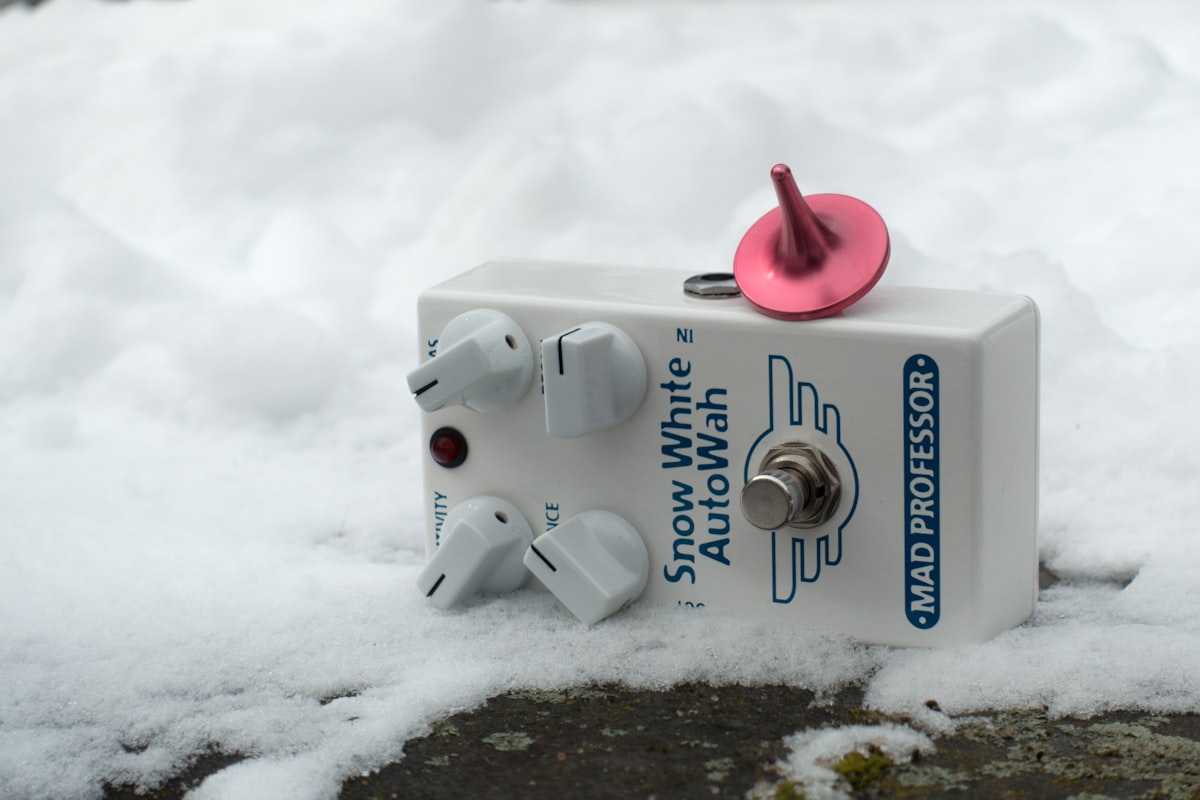
I bought my white noise machine for a noisy street and then, like everyone, quietly assigned it a second job it had never auditioned for: quieting my mind. It half-deserved the promotion. Here is the honest version of what steady sound does and does not do for an overactive mind at midnight, because the marketing will not draw that line for you. The full toolkit for the racing mind lives in my racing mind at night guide.
Key takeaways
- White noise works on interruption, not on thought: it blurs sudden sounds so they stop re-surfacing you.
- Every interruption you prevent is a door the racing mind does not get to walk through.
- The evidence for white noise improving sleep itself is thin and honestly inconclusive, with near-zero downside.
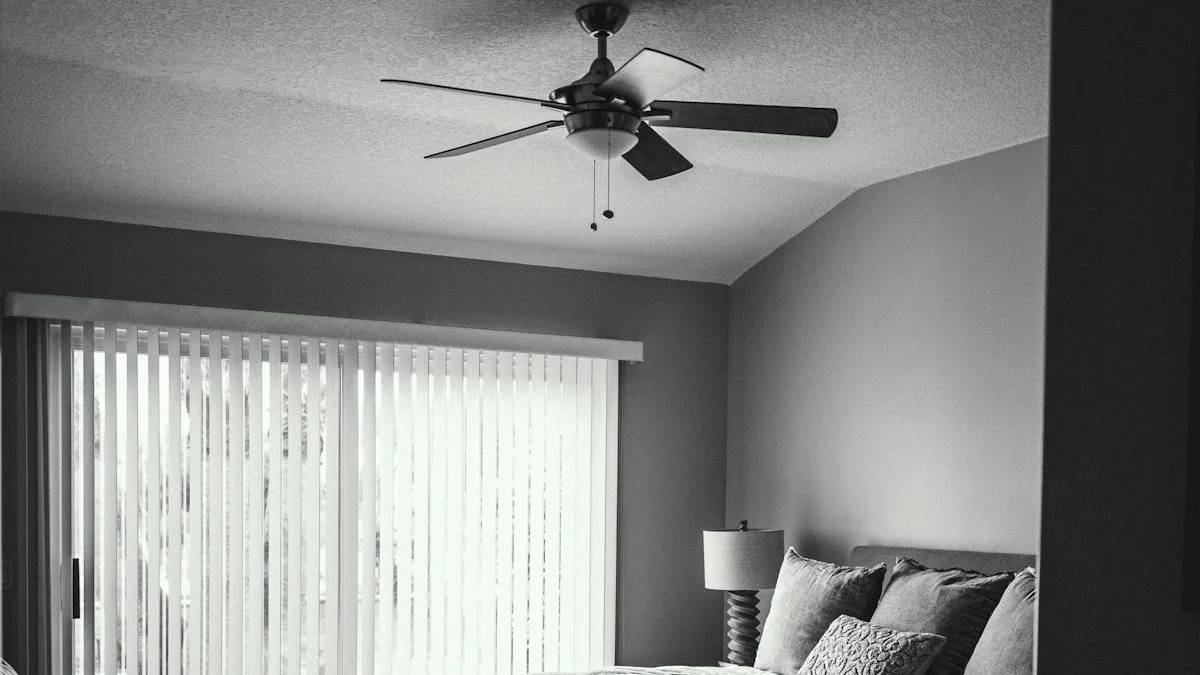
- A fan does the job for free, at conversation level or below, steady all night.
- For the mind itself, the shuffle and the worry page outperform any sound machine.
What steady sound actually does
Start with what the brain cares about, because it is not volume. “your brain doesn’t care much about steady sound; it cares about change.” Your brain adapts to constant noise within minutes, which is why you stop hearing a fan five minutes after it starts. It never adapts to sudden changes, because a change might mean something. The door slam wakes you. The hum does not.
That asymmetry is the entire sales pitch for masking, and it is a good one: “A fan or a white noise machine lays down a steady floor of sound so every sudden noise stands out less against it, the way a candle stops looking bright at noon.” The motorcycle outside becomes part of the background instead of an event. For a light sleeper in a loud place, this is one of the highest-value moves in the whole cluster.
So where does the overactive mind come in? Here. The mind that cycles at night does most of its damage after a surfacing: something small wakes you, and the waking gives the loops a stage. “The same worry that bored you at three in the afternoon arrives at eleven with a full production staff.” Every interruption you prevent is a surfacing that stays under three minutes and gets forgotten by breakfast. White noise does not quiet the mind. It starves the mind of its favorite entrance.
What the honest evidence says
The commercial-intent post owes you the receipts, so here they are without varnish. “The evidence that white noise improves sleep itself is thin, and a 2021 review in the journal Sleep Medicine Reviews called the findings inconclusive, though the downside risk is close to zero.” The machine is not medicine. It is a comfort fix for a specific problem, sound-driven interruption, and it happens to be very good at that fix.
Pink noise, a deeper cousin of the same idea, shows early hints of helping deep sleep, and I file that under promising but unproven. If a machine’s marketing promises deeper sleep, transformation, or a calmer mind by Friday, that is the story doing the selling, not the evidence.
And there is one honest limit worth naming before any purchase: if the noise is not your problem, the machine is a nightstand decoration. The mind that races in a perfectly quiet room is being raced by open loops and sleep effort, and the tools for that are on paper, not in a speaker. How to quiet your mind without meditation is the post for that problem.
The free version, tried first
Before the purchase, run the zero-dollar test, because the sound is the active ingredient and the sound is free. A box fan does the masking job as well as any gadget, and it moves air while it works, which pays a second dividend in a warm room. Set it to conversation level or below, run it steady all night, and give it a week. “Keep the volume at conversation level or below, steady all night. Loud masking becomes its own noise problem, and then you own two problems.”
If you share the bed with a snorer, the machine earns its keep in combination, not alone: foam earplugs worn properly plus the steady fan handles the on-and-off pattern that trips micro-awakenings. How to sleep with a snoring partner has the full two-tool version, and white noise for sleep covers the general case.
One practical note if you use an app instead of a machine: the phone that plays it wants to be docked far from the bed, because a phone within reach during the night is a feed, a clock, and a job wearing one case. The machine’s one honest advantage over the app is that it has no notifications.
The pairing that actually calms the mind
Here is the setup I would recommend, and it uses the machine for what it is good at while the real mind work happens elsewhere. The steady floor of sound runs all night and removes interruptions. The cognitive shuffle handles the mind if it starts cycling anyway, because the shuffle occupies the head dully, and “You can’t worry in shuffle mode. The words refuse to line up.” The worry page, two to three hours before bed at a table, closes the loops before they get a midnight stage.
“None of them try to make you sleep. Not one. They occupy you, gently and dully, so the part of you that’s been gripping the night can let go of it.” The machine fits that description perfectly, which is the nicest thing I can say about a plastic box: it does not try to put you to sleep. It just keeps the street from voting on your night.
The verdict, then: yes for interruption-driven wake-ups, modest for the mind, thin for the promises on the box. Try the fan first. Buy the machine if the fan’s airflow bothers you or the app’s phone problem does. “you can’t switch a brain off like a lamp, but you can walk it down, and the walk can be short, dull, and repeated.” The steady hum is the floor the walk happens on. The full kit is in Sleep, Finally.
Frequently asked questions
Does white noise help an overactive mind at night?
It helps indirectly. White noise does not quiet thoughts; it removes the sudden sounds that interrupt and re-surface you, and every surfacing is a fresh chance for the mind to pick up its loops. Fewer interruptions means fewer open doors for the racing mind, which is real but partial.
What does the evidence say about white noise and sleep?
The evidence that white noise improves sleep itself is thin, and a 2021 review in the journal Sleep Medicine Reviews called the findings inconclusive, though the downside risk is close to zero. Pink noise shows early hints of helping deep sleep, which I file under promising but unproven.
What volume should white noise run at?
Conversation level or below, steady all night. The goal is a floor of sound that blurs sudden noise, not a soundtrack. Loud masking becomes its own noise problem, and then you own two problems.
Do I need to buy a machine?
No. A box fan does the same job as any gadget, and apps on a phone work if the phone is docked far from the bed. Buy the machine only if the fan’s airflow or the app’s setup genuinely bothers you, because the sound is the active ingredient, not the price tag.
This guide is educational, not medical advice. If sleep trouble persists most nights for three months or more, that pattern has a name and a treatment, and a doctor is the right door.