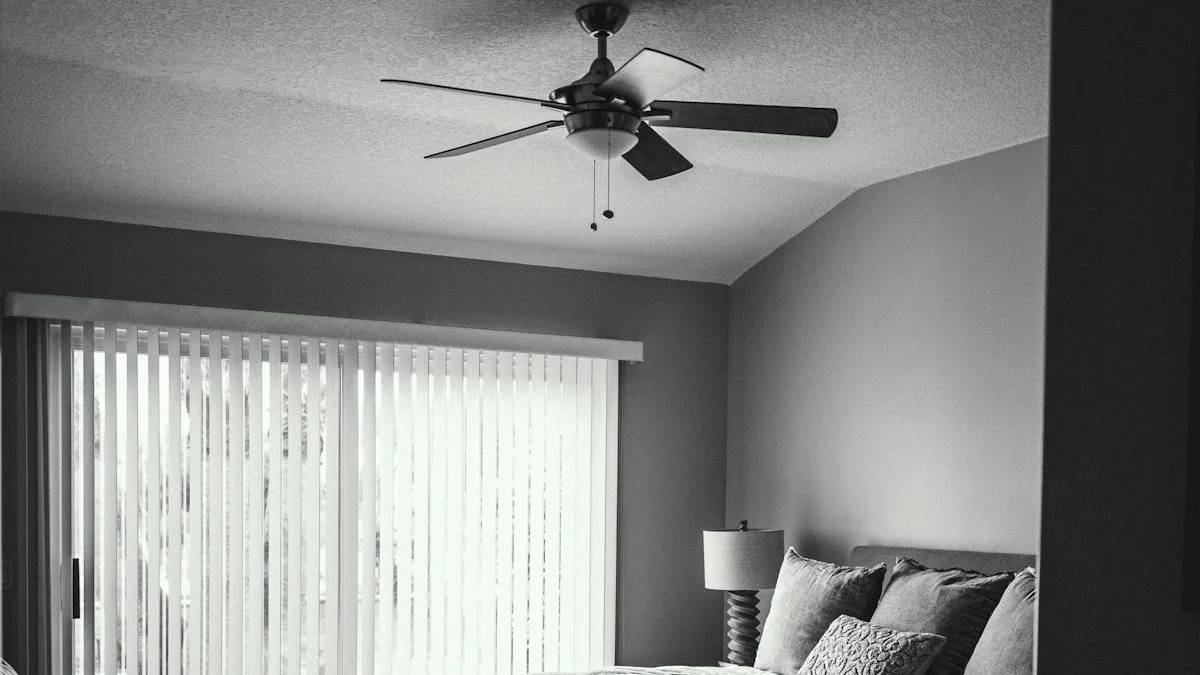
Why Your Brain Wakes Up When You Lie Down
Why your brain wakes up when you lie down: the quiet room, the inbox of open loops, and sleep effort. What is actually happening and how to give the mind a dull job.
Why your brain wakes up when you lie down: the quiet room, the inbox of open loops, and sleep effort. What is actually happening and how to give the mind a dull job.

Breathing exercises for sleep that hold up: the physiological sigh, 4-7-8, and the long exhale, plus how to practice without turning breath into one more chore.

The cognitive shuffle for sleep is a word game you lose on purpose: seed word, letter by letter, random images, until the worry cannot find a storyline.

The worry journal method is ten minutes at the kitchen table, two to three hours before bed, that keeps your 3 a.m. brain from running the night shift.

Racing thoughts when trying to sleep are a scheduling problem, not a brain problem. Why your mind picks midnight, and the boring jobs that quiet it down.

Overthinking at night isn't a broken brain, it's ordinary equipment with nothing else to do. How to quiet your mind to sleep by giving it a boring job instead.

How to fall asleep when stressed starts with dropping the effort, not adding more. The worry page, the cognitive shuffle, the long exhale, and why trying backfires.

Alarm clocks without blue light need a short checklist: dimmable red or amber digits, no standby LEDs, real buttons, and under thirty dollars. Here's the list.

An analog clock at night does one job and can't do anything else. Why the ten-dollar clock beats the phone, and how it protects both bedtime and 3 a.m.
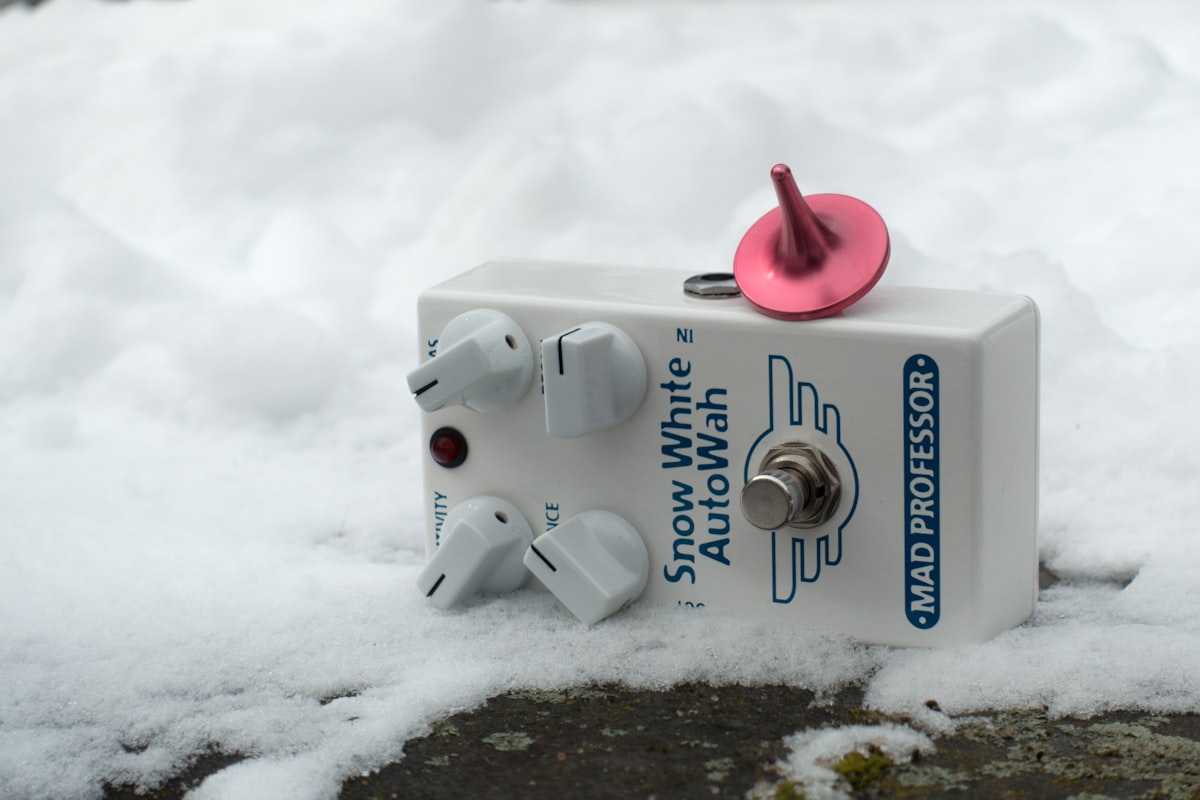
Do white noise machines help an overactive mind? What steady sound can and can't do at midnight, the honest evidence, and the fan that does the same job for free.