Stress & Cortisol
How Much Caffeine Is Safe on a High-Stress Day?
By Nora Vale · June 20, 2026 · 6 min read

Hannah’s sleep trouble starts every weekday at three fifteen, in the pickup line outside an elementary school, when a remark that would fit inside a text message with room left over sends her home with her hands too high on the wheel. By midnight she’s flat on her back with her eyes wide and her heart tapping out something urgent. The third coffee she had at three that afternoon didn’t cause that night. But it didn’t help it either, and on a caffeine high stress day, the difference between those two sentences is the whole ballgame.
Key takeaways
- Caffeine and cortisol push in the same direction; on a stressed day, the same cup lands on chemistry already running warm.
- The cutoff matters most on the worst days of the worst weeks, which are exactly the days it feels least possible to keep.
- Keep the ritual, change the contents: decaf fills the cup and the pause without touching the night.
- Hard days run the loop backwards: short night, extra coffee, longer lingering, another short night.
- Some weeks are beyond technique; on those, protect one anchor and let the rest go.
Why the same cup hits harder on a hard day
Cortisol deserves a fair introduction, because it has been slandered. It isn’t a villain; it’s a shift worker, running lowest around midnight, spiking thirty to forty-five minutes after you get up, then sliding downhill all day to arrive back at its floor around midnight. The morning spike is normal and helpful. “The problem was never the spike. The problem is what constant worry does to the rest of the curve.”
Chronic worry flattens the hill into a plateau that runs from nine in the morning to eleven at night, so eleven o’clock arrives carrying chemistry that ten hours earlier would have passed for nine a.m. Now pour a three o’clock coffee onto that. Caffeine doesn’t add energy; it hides the receipt for energy you already spent, and on an ordinary day the third coffee does ordinary things. On a hard day the baseline is already elevated, the idle has been sitting high since the first worry of the morning, and the same cup lands on chemistry that was already running warm. “It isn’t your imagination. It’s addition.”
The state has a name: tired but wired. You’ve been dragging since two, you could have slept upright at eight, and then your head touches the pillow and an engine turns over and settles into a smooth, furious idle. The mechanism is kinder than it feels. Worry blocks your perception of the sleep pressure that’s genuinely there. “The fuel gauge is what’s wrong, and the fuel gauge is worry.” The full anatomy of that loop is in the stress and sleep guide, and the chemistry itself in cortisol and sleep explained.
The loop that runs backwards on hard days
Hard days also run the loop backwards, which is why the coffee question compounds. A short night leaves extra drowsy cargo. The cargo demands coffee. The coffee lingers in your system longer than the lift lasts, and by eleven you’re tired but wired again, staring at a ceiling you funded at three that afternoon. Each pass through the loop deepens the groove.
“This is why the caffeine cutoff matters most on the worst days of the worst weeks, which are exactly the days following it feels least possible. Keep it anyway.” The book’s working guideline is no caffeine within roughly eight hours of bedtime, ten if your sleep is already thin, and that line is drawn in milligrams across all sources, not just coffee cups. What a cutoff experiment looks like, and how to run it fairly, is in how long before bed should i stop drinking coffee.
The swap is the part that makes it survivable: “Swap the three o’clock cup for the walk you were going to skip, or make it decaf and keep the ritual. The ritual is most of what you’re missing.” My own version was eleven minutes around the block at dusk, back when I was trading wine for anything at all, dull as toast and devoid of insights, and it outperformed the glass it replaced by every measure I keep. It never made me sleepy at seven. That wasn’t its job. Its job was lowering the evening’s floor to somewhere sleep could still reach.
And learn the fake downshift while you’re at it, because scrolling feels like a break but is input: “the fire in pocket format.” A shower with a half-listened podcast is a downshift. The same shower with a phone propped on the sink running a comment section is a second shift.
What the week is allowed to ask of you
Honest limits, because technique has a ceiling and I’d rather you hear it from me. Some weeks are genuinely bad: a diagnosis in the family, a job ending, a marriage ending. On those weeks, sleep hygiene is a bucket in a rainstorm. The wind-down runs, the page gets written, the walk happens, and the night is wrecked anyway, because the system has an actual fire and no technique talks a real fire out. I’ve carried the bucket. It gets you wet and it feels like failing.
The fix isn’t a better bucket. It’s lowering the bar before the week lowers it for you, down to one anchor: the wake time, the same alarm seven days running, with everything else graded pass-fail where everything passes. The caffeine cutoff rides inside that logic. On a catastrophic Tuesday, the win isn’t a perfect day; it’s the last coffee before noon and a wake time you kept.
One border, said with respect. If the wrecked nights run three or more a week for three months straight, that’s past what habits and buckets describe, and it belongs in a doctor’s office, where treatments outperform everything in this post combined. If you’re falling asleep mid-conversation despite a real seven hours, that’s its own flag too, and signs of sleep apnea is where that check starts. Making the appointment is a sleep skill like any other.
A scheduled life, one cup at a time
Here’s the sentence this whole subject walks toward: the goal isn’t a calm life, it’s a scheduled one. I spent years waiting for my life to calm down enough for sleep to return, as if calm were a season on its way. It never arrived. What arrived instead was a shape: a worry window at seven, a walk at eight, a caffeine cutoff at two, a wake time defended like a shift I couldn’t miss. “The life stayed exactly as stressful. The nights stopped joining in.”
Hannah still gets parking-lot adrenaline, because school parents are school parents forever. It arrives at three fifteen, it has an appointment at six thirty, and the three o’clock latte became a two o’clock one, then mostly decaf, because her log showed what the clock already suspected. Robert, who cares for a mother whose memory is going and whose stressor is a person he loves, keeps a notebook instead of a third cup. The problems didn’t get smaller, he says; “They got office hours.”
The worry window that pairs with the cutoff is in the worry journal method, and the full worksheets, including the seven-day log that shows what your cutoff actually changed, are in Sleep, Finally.
Frequently asked questions
Does stress change how caffeine affects you?
Yes. Caffeine and cortisol push in the same direction, and on a hard day your baseline is already elevated, so the same cup at three o’clock lands on chemistry that was already running warm. It isn’t your imagination. It’s addition.
How much caffeine is safe on a high-stress day?
The honest answer is less than on a calm day, and earlier in the day. The cutoff matters most on the worst days of the worst weeks, which are exactly the days it feels least possible to keep.
What should I do if I need the afternoon coffee to function?
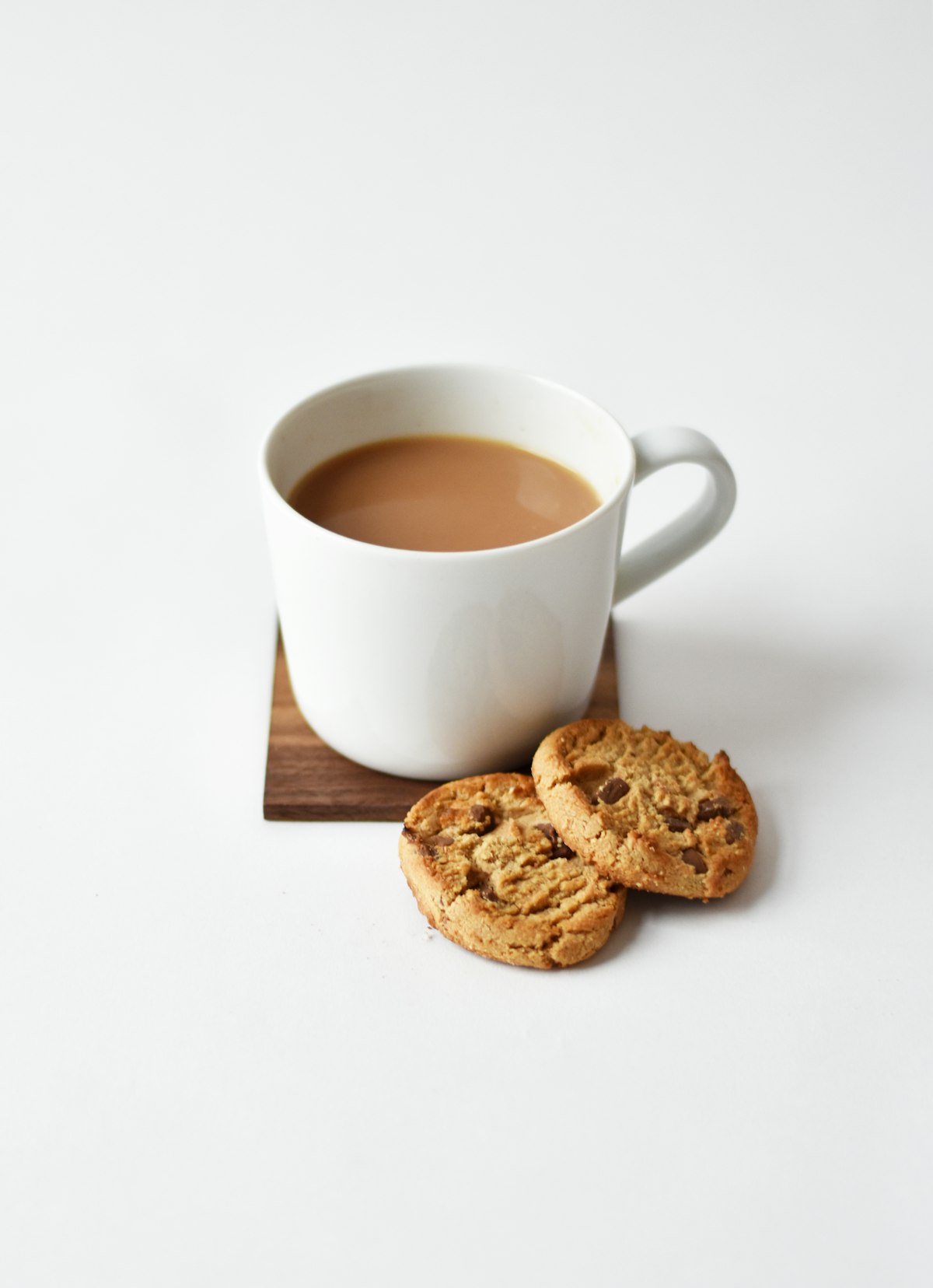
Keep the ritual, change the contents: decaf fills the cup and the ten-minute pause without touching the night. Or swap the cup for the walk you were going to skip, which lowers the evening floor instead of raising it.
Why does a stressful day make the coffee last longer?
It’s a loop: a short night leaves extra drowsy cargo, the cargo demands coffee, the coffee lingers longer than the lift lasts, and by eleven you’re tired but wired again, staring at a ceiling you funded at three that afternoon.
This guide is educational, not medical advice. If sleep problems persist for months or wreck your days, see a doctor.