Stress & Cortisol
The Cortisol Curve: How Stress Hormones Shape Sleep
By Nora Vale · August 20, 2026 · 7 min read

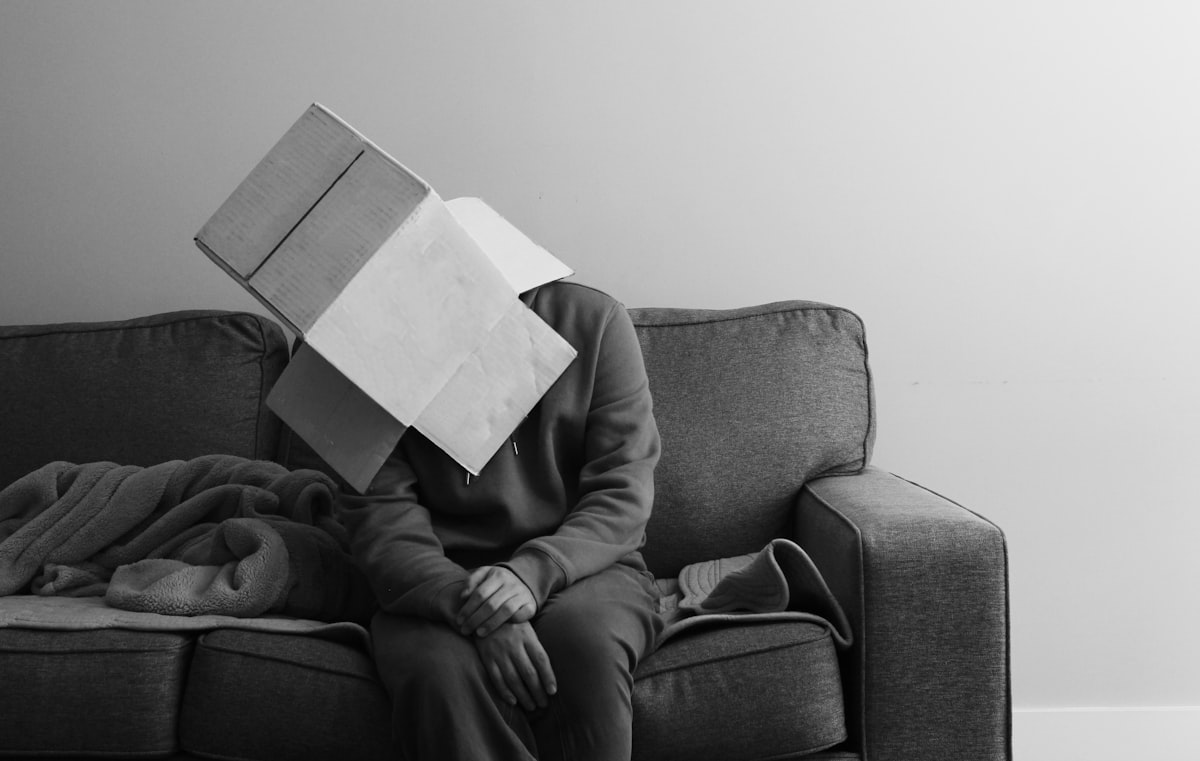
Nothing looked wrong. That’s the promise this part of the book makes, and my own Tuesdays kept it for a decade: the thieves in these chapters don’t look like sleep problems at three in the afternoon, and stress wears the best disguise of the bunch, because “stress doesn’t look like a problem. It looks like your life.” The carpool, the dishes, the ordinary Tuesday. None of it files itself under insomnia until midnight files the complaint. This post is the curve underneath that file, and the full guide is stress and sleep.
Key takeaways
- Cortisol is a shift worker with a fixed schedule: midnight low, morning spike, all-day decline.
- The morning spike is normal and helpful; the problem is what constant worry does to the rest of the curve.
- Chronic worry flattens the slope into a plateau of arousal, and the night is when you notice, the day is where it lives.
- The fix is scheduling, not calm: a worry window, downshift tasks, a caffeine cutoff, a defended wake time.
- In genuinely bad weeks, no technique talks a real fire out, and a doctor is part of the toolkit.
Meet the shift worker
Cortisol deserves an introduction, because it has been slandered. It’s a hormone made by two small glands perched on top of your kidneys, and the wellness industry has spent a decade selling it to you as a villain, “which is roughly like running a documentary series on the menace of oxygen. It isn’t a villain. It’s a shift worker.” The shift has a fixed shape, and knowing the shape changes how you read your own nights.
The shape: levels bottom out around midnight, spike thirty to forty-five minutes after you wake, which researchers call the cortisol awakening response, then decline across the day back toward the midnight floor. “The morning spike is normal and helpful, and I want that sentence to survive contact with the supplement aisle.” It mobilizes fuel, sharpens attention, and gets you vertical and civil in time for your first conversation of the day. Its timing moves with your wake time, so the spike belongs to your body clock rather than to the sun. “The problem was never the spike. The problem is what constant worry does to the rest of the curve.”
The smoke alarm that never resets
Here’s what worry does to that tidy shift. Worry blocks your perception of sleep pressure, so the fuel for sleepiness is there and the gauge is broken, which is the whole tired-but-wired experience in one sentence. Under chronic stress the declining half of the curve stops declining: the plateau that should slope toward midnight holds at a low simmer from nine in the morning to eleven at night, and researchers describe that state as hyperarousal.
The clinical phrasing is more literal than it sounds. Chronic insomnia is described as a 24-hour disorder: “People with chronic insomnia show higher resting heart rates, warmer core temperatures, and a metabolic rate idling above normal, and researchers find those markers in broad daylight, hours before anyone has tried to sleep. The night is when you notice. The day is where it lives.” That’s the smoke alarm that never resets. It also explains why your bedroom can be flawless and the night still break, because the machinery running hot was installed at your morning commute, not at your pillow. The same mechanism from the anxiety angle is in why anxiety is worse at night, and the daytime version is in how stress affects sleep.
Hannah’s worry window
Hannah’s stress wore the best disguise in the book: nothing dramatic, just a carpool roster and courts and an ordinary Tuesday that kept her jaw clenched through dinner. By midnight she was lying with her eyes open, heart thumping about something urgent that never had a name. Her worry window landed at 6:30, between the household and the evening’s obligations, and it was two columns on paper: the worry on the left, the next concrete step on the right. For the carpool comment with a sting in it, the right-hand column read “nothing tonight,” which is a legitimate entry. Within two weeks, the midnight brain had stopped litigating the case, because the meeting had become reliable. A brain that interrupts your evening is a colleague who doesn’t trust the meeting will actually happen.
Three rules keep the window honest: same time, same chair, paper instead of a phone, because the phone hosts the feed and the feed eats appointments. “Midnight never counts as a window, because a worry page written at midnight is just worry that found a pen.” And if the evening collapses and the window gets skipped, let it stay skipped rather than running it at 11:45 as penance. The schedule survives a skipped day. It doesn’t survive being moved to bedtime.
Around the window, the downshift: dull, physical, low-stakes tasks with obvious ends, between mid-afternoon and ten. The walk around the block at dusk, the dishes without a podcast, the laundry. My own eleven minutes were “dull as toast and devoid of insights,” and they beat the wine they replaced on every measure I track, because their job was never to make me sleepy at seven. Their job was lowering the evening floor far enough that sleep could reach it. The pairing of the window with caffeine timing matters too, since a bad night reliably produces a third cup that outlives its welcome: cortisol and sleep explained has the hormone side, and how to decompress after work has the evening shape.
The honest limits
Some weeks are genuinely bad, and the chapter says so before you discover it in October. “On those weeks, sleep hygiene is a bucket in a rainstorm. The wind-down runs, the page gets written, the walk happens, and the night is wrecked anyway, because the system has an actual fire and no technique talks a real fire out. I’ve carried the bucket. It gets you wet and it feels like failing.” In those weeks, shrink the ambition to one anchor, the same wake time every day, and let everything else pass without a grade.
The techniques also don’t shrink real loads, and they shouldn’t pretend to. Caregivers get patronized more than almost anyone, and some stress is the weight of loving someone, not a malfunction to be optimized away. “The goal was never a lighter load. The goal is keeping the load out of the mattress.” And there’s a line past scheduling: nights broken three or more times a week for three months belong in a doctor’s office, because chronic insomnia has a specific, effective treatment, and bodies deserve their physical suspects checked too.
The sentence the whole curve walks toward, and the one I’d engrave if I were the type: “the goal isn’t a calm life, it’s a scheduled one.” I spent years waiting for my life to calm down enough for sleep to return, as if calm were a season on its way. It never arrived. What arrived instead was a shape: a worry window at seven, a walk at eight, a cutoff at two, a wake time defended like a shift I couldn’t miss. The life stayed exactly as stressful. The nights stopped joining in.
Frequently asked questions
What is a normal cortisol curve across the day?
Cortisol is low around midnight, spikes thirty to forty-five minutes after you wake, then declines all day to the midnight floor. The morning spike is normal and helpful. The problem is what constant worry does to the rest of the curve.
How does stress hormones affect sleep if I feel tired at night?
Worry blocks your perception of sleep pressure, so the fuel is there but the gauge is broken. Chronic stress also keeps arousal elevated around the clock, which researchers describe as a 24-hour disorder: the night is when you notice, the day is where it lives.
Can I lower cortisol at night with supplements?
I’d save the money. Cortisol is a necessary hormone, not a defect, and no pill restores a worry-flattened curve. What helps is scheduling: a worry window in the early evening, downshift tasks between mid-afternoon and ten, and a defended wake time.
When is stress-related insomnia a doctor conversation?
If nights break three or more times a week for three months, or you’re falling asleep mid-sentence in the afternoon, that’s beyond self-help. Chronic insomnia responds to CBT-I, and a doctor can rule out the physical suspects too.
This article is educational, not medical advice. If sleeplessness persists or stress feels unmanageable, talk to a doctor. The full guide is stress and sleep, and the complete method is in the SleepFinally book.