Screens & Sleep
How On-Call Workers Can Protect Sleep and Still Respond
By Nora Vale · March 30, 2025 · 7 min read

The phone sat six inches from my hand for three years because the job said it had to, and I never once questioned the distance. Then I did the math on what a “quick check” at 11 p.m. actually cost, and the answer was closer to forty-five minutes than to five. If you carry a pager, a rotation, or a work phone that can ring at two in the morning, the question isn’t whether you’re allowed to be reachable. It’s whether the whole night has to be sacrificed for the two minutes a real call takes. The honest version of the answer lives in the screens and sleep guide, and it comes down to moving the light and the feed without moving the lifeline.
Key takeaways
- Being reachable and being on duty all night are two different arrangements, and only the second one wrecks sleep.
- The hallway-docking setup keeps the ringer audible while moving the feed, the light, and the temptation out of arm’s reach.
- An allow list of one or two names preserves the true emergency line and kills everything else.
- Morning light and a fixed wake time do most of the repair work after a broken on-call night.
- Months of wrecked nights, or sleep that ambushes you during the day, is a flag for a doctor, not for more discipline.
The problem isn’t the call, it’s the standby
Here’s the thing worth naming first, because on-call people blame the wrong half of the job. Actual emergency calls are rare. What happens far more often is a night spent half-listening, and a phone on the nightstand keeps that half-listening switched on whether anything rings or not. The device itself is a light source aimed at your face’s general direction, a feed engineered to be interesting, and a job description, and you get all three in one rectangle even on the quiet nights.
I think of the arrangement this way. “That’s not a light problem. That’s a night shift with worse hours.” An inbox in bed, a rotation app, a group chat that never sleeps, they put you on a shift your employer never scheduled and never pays for. The fix isn’t to quit being reachable. It’s to stop working the whole unscheduled shift.
The hallway setup, in detail
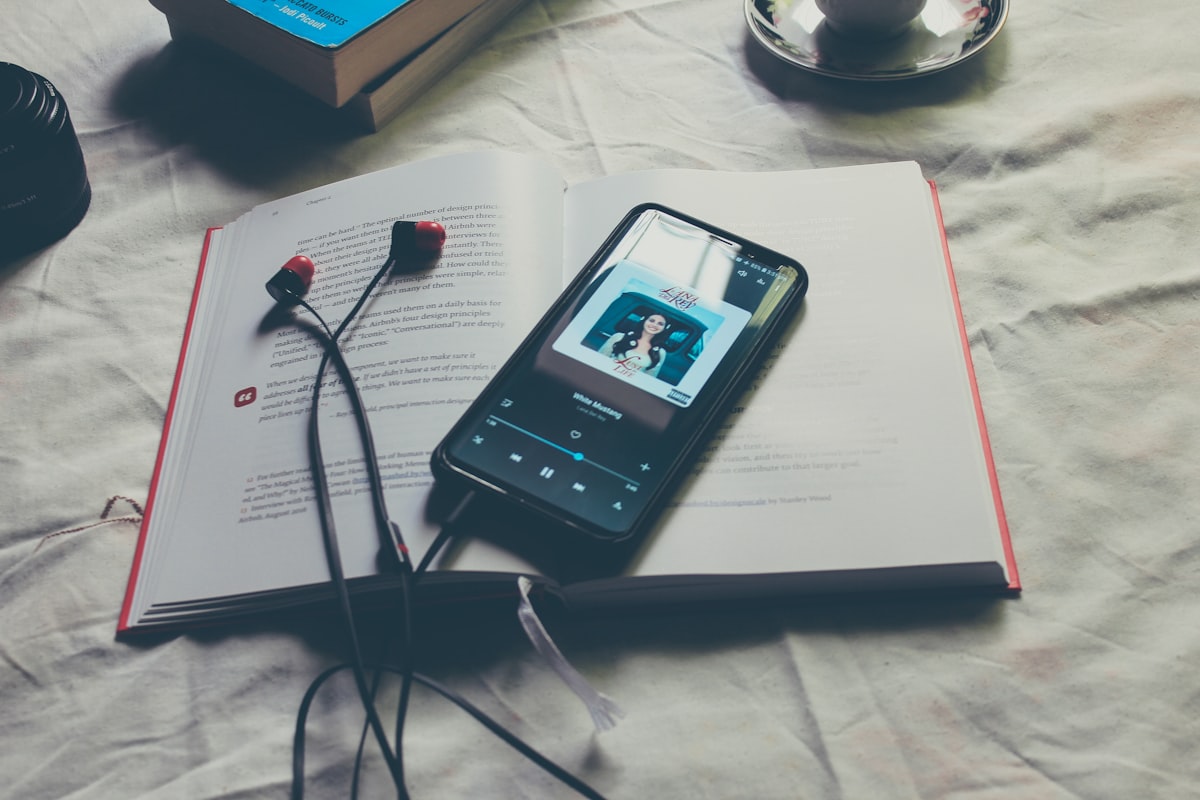
The core move costs nothing and takes about ten minutes. An ordinary cheap alarm clock takes over the waking-up job, and the personal phone goes on its charger somewhere that isn’t the nightstand. Mine lives on the kitchen counter, which sounds extreme and turned out to be the least dramatic part of the whole change. “Dock the phone and you’ve moved the light source out of pillow range and retired the job for the night, all in one motion, and unlike most things sold for sleep this one never needs a firmware update.”
For on-call duty you adapt one detail. The work phone, or the personal phone if it carries the line, sleeps in the hallway with the ringer up, not on silent, not vibrate-only. You want it close enough that a genuine emergency reaches you in seconds and far enough that checking the weather turns into a walk. That walk is the feature. It gives the half-asleep version of you a speed bump, and most of the impulses that would have cost you forty minutes die somewhere around the hallway rug.
The two-name allow list
Every phone I’ve owned can be told to let specific people ring through while everything else goes quiet until morning. Pick the names honestly. If the on-call rotation routes through one number, that number gets through and nobody else does. If you’re the household emergency contact for an aging parent, that parent gets through. Everyone else waits, and the world doesn’t end, which is a thing you learn by trying it for a week.
The book’s version puts a sentence to this that I think about more than I expected to. “I’m gone after ten” is a sentence adults are allowed to send. Telling the group chat, the sister, or the coworker when you go dark does half the work by itself, because a rule nobody explained reads as a mood, and a rule everyone knows just reads as a rule.
Train the household and the senders
A hallway phone works better when the people around you know why it’s there. My spouse assumed the first two nights that I was angry at him, because the phone that used to come to bed had vanished, and nobody had said anything. One sentence fixed it. The same applies to colleagues: a short message telling the team what counts as a wake-you-up issue and what goes in the morning queue changes behavior on both ends faster than any app setting.
Kids and partners copy what you do, not what you announce, so the chargers all go to the same hallway or counter at the same hour. Nobody has to like it. Mine grumbled for about four days and then stopped noticing, which is the standard timeline for almost every household sleep change I’ve ever seen.
Protect the rest of the night around the ring
Some on-call nights break anyway, and the goal shifts from preventing the break to surviving it cheaply. Three habits carry most of the weight. First, no clock math: checking the time after a 1 a.m. page converts a fifteen-minute return to sleep into an hour of arithmetic. Second, keep the wake time fixed regardless of the night, because a rotating alarm is how one rough rotation becomes a two-week mess. Third, get daylight early the next morning, even ten minutes of it, since it’s the strongest signal your body clock accepts.
If the page came at three and you’re wide awake at four, the twenty-minute rule applies like any other night waking. Estimate roughly twenty minutes of lying there. Still awake, get up, do something genuinely dull in dim light somewhere else, and come back when sleepiness is real instead of hoped for. The full method lives in the stimulus control post, and the getting out of bed question gets its own honest treatment there too.
The honest limits
Now the part that keeps this advice from being a poster. Some on-call arrangements really are terrible. If your rotation expects you to handle calls that require a screen, a laptop, and twenty minutes of actual work at 3 a.m., the hallway trick helps at the margins and doesn’t fix the job, and the sustainable version of this conversation involves your manager, not your nightstand. Also, if the phone genuinely is your only lifeline, to a sick parent, a deployed partner, a kid away at college, the bare rule will lose to reality, and it should. The replaced version fits more lives than the strict one, and I keep one exception myself for a friend who works nights. “A rule you keep beats a rule you admire.”
And the line still applies. If wrecked nights run three or more a week for three months, or if you start losing fights with sleep at the wheel, that’s chapter-fourteen territory and it belongs with a doctor, not with one more round of gadget tweaks.
Frequently asked questions
Does being on-call ruin sleep even when the phone never rings?
It can, mostly through vigilance. A device on the nightstand keeps a sliver of your attention on duty all night, and the wake-ups it causes you often forget by morning. Moving the phone across the room or into the hallway keeps the line open while dropping the pillow-level vigilance.
How do I hear an emergency call if my phone is in the hallway?
Ringer at full volume, no vibrate-only, door open or ajar. The setup keeps the phone close enough for a genuine emergency and far enough that casual scrolling needs shoes. If your building is large, a smart speaker or a second ringer device bridges the distance.
Should I respond to non-urgent messages while on-call overnight?
No. The distinction between urgent and everything else is the whole system. Anything that can wait until morning goes in the morning queue, because a 2 a.m. reply teaches the sender, and your own brain, that you’re fully on duty around the clock.
What’s the best way to recover the day after a rough on-call night?
Hold your normal wake time, get morning light, and take a short twenty-minute nap before three in the afternoon if you need one. Skipping the full lie-in feels unfair, but a three-hour sleep-in resets your clock like a short flight west and taxes the following night.
When does on-call sleep trouble deserve a doctor?
If you’re waking exhausted most nights for months, if a partner hears pauses in your snoring, or if you fall asleep involuntarily during the day despite a real chance to sleep, that pattern belongs in a clinic, not in another round of willpower.
The feed and the inbox will both still be there at seven in the morning. The thing that doesn’t wait is your sleep window, and the hallway phone is how you keep the pager without donating the window to it. The complete protocol, including the docking setup and the wind-down that fills the hole it leaves, is in Sleep, Finally.
This guide is educational, not medical advice. If sleep trouble is chronic, or a partner says you stop breathing at night, a doctor is the right door.