Shift Work & Jet Lag
How to Sleep During the Day in Summer Heat
By Nora Vale · May 5, 2026 · 8 min read
Day sleep is already the hardest assignment in the book, the case that gets respect before tactics. Add summer, and you’re asking your body to start its deepest sleep at the thermal peak of the day, in a room the sun has been charging since breakfast, in a building designed to be closed and warm at night. I spent one July sleeping in an attic apartment after night shifts, and I can confirm the phrase “head full of wet sand” undersells the afternoon version.
The playbook that follows is from the shift work guide plus the boring physics nobody sells you, ordered by what actually pays: the glass first, the air second, the body third, and the gadgets last.
Key takeaways
- Sleep onset requires a falling core temperature; heat delays the drop and fragments what follows.
- Blackout the glass first, since sunlight through windows is both the light problem and the heat source.
- A warm shower one to two hours before bed helps; a cold one feels better and works less.
- Fans do double duty, moving air and masking the daytime street noise a night sleeper must fight.
- Anchor the sleep block even in heat, since a consistent three-to-four-hour core window survives better than chasing perfect conditions.
Win the glass first
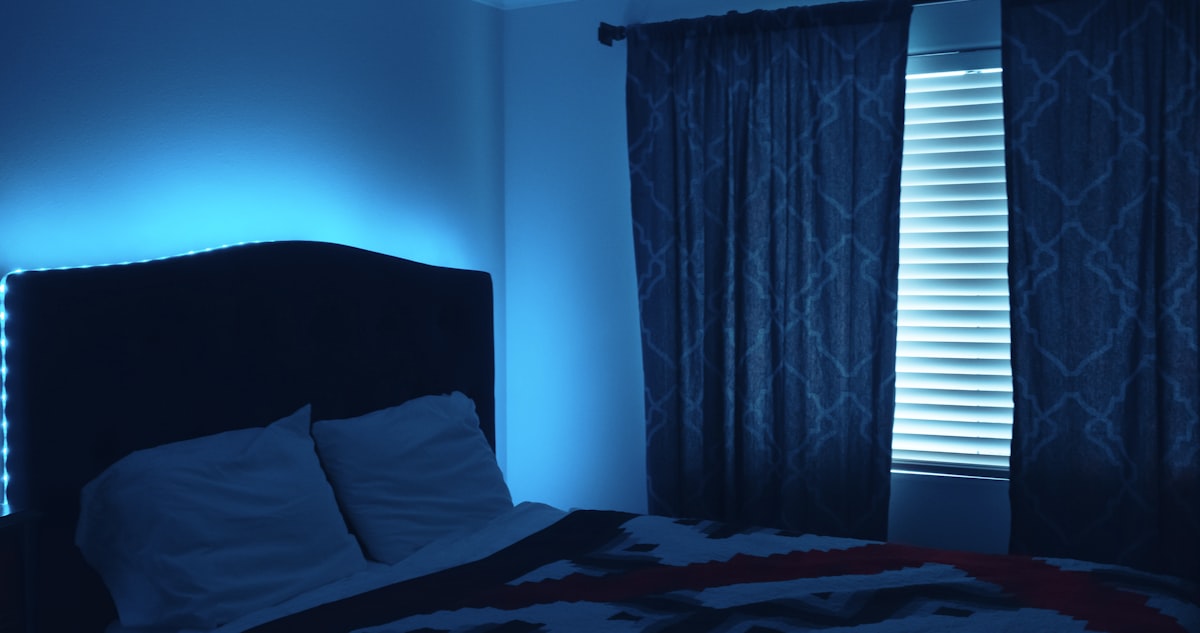
The single highest-payoff move is covering the glass, and it solves two problems with one sheet of foil. The book’s standard is a bedroom that’s “cave-dark at one in the afternoon, which usually means covering the glass itself,” and the same cardboard, blackout fabric, or foil that kills the light also stops the greenhouse effect, the solar input that’s been heating your room through the morning. A room that stays dark until evening stays measurably cooler than one whose curtains the sun has been leaning on since ten.
Close windows and shades while the outside air is hotter than the inside, which in most climates runs from late morning to early evening, then open everything for cross-ventilation once the temperature tips. This single discipline, sealed and shaded during the heat, opened at dusk, outperforms most gadgets people buy for the problem, and it costs nothing but attention.
The air, the fan, and the warm shower trick
With the sun handled, move the air. A fan aimed across the bed, not at your face, accelerates evaporation and makes a warm room feel several degrees kinder. In dry climates, damp sheets hung in the airflow or a bowl of ice in front of the fan adds evaporative cooling cheaply. The fan is also your noise machine, and that’s not a compromise, because the daytime world is louder than the night one, and consistent broadband sound masks delivery trucks, kids, and the neighbor’s mower better than silence ever could in the middle of the day.
Then the body itself, and the trick that feels wrong and works right: a warm shower one to two hours before bed. Warm water dilates the vessels in your hands and feet, which accelerates heat dumping from your core once you’re out, mimicking the natural pre-sleep drop that evening usually provides for free. Cold showers feel heroic and help less, because they constrict vessels and can provoke a mild compensating warm-up. The cold option for the two minutes before bed is a cool rinse of hands, feet, and neck, which cools blood near the surface without triggering the defense.
Heavy bedding leaves the rotation entirely, eaten-late meals move earlier since digestion generates heat, and alcohol deserves its usual honest mention, because it fragments the shallow hot-weather sleep even more than the deep cool-weather kind, as covered in alcohol and REM sleep.
Protect the anchor even when conditions are bad
Here’s the part the heat makes tempting to skip, and where I’ll push back. The book’s core for night workers is the anchor sleep block, “a core chunk of three to four hours kept at the same clock time every single day, days off included, so your body finally has one protected window it can rely on no matter what the roster did to the rest of the night.” Summer heat doesn’t change that architecture; it just raises the effort. A consistent 9-to-1 block in a merely-tolerable room beats a perfect four-hour sleep that wanders anywhere the temperature allows.
The practical version: pick the coolest, darkest corner your home offers, even if it isn’t the bedroom, and defend the block there. Prep the room before you leave for the shift, glass covered, fan placed, bedding stripped, so the worst version of your tired self walks into a ready cave instead of a project. And keep the pre-shift nap short and early, twenty to thirty minutes before the heat peaks, since a long sweaty attempt at real afternoon sleep usually delivers less than the disciplined half hour.
If your schedule rotates and summer compounds it, surviving a rotating shift schedule covers the ordering tricks that matter more than any single night’s conditions.
The honest limits
Some rooms will not cooperate, and I won’t pretend the foil trick turns an attic in July into a sleep lab. If your days sleep stays broken after dark, quiet, cool, and anchored, the environment has been cleared as the suspect and something else owns the problem, apnea, a medication, a hormone, and that’s a physician’s territory. Night sweats soaking the bed in a cool room, or heat intolerance your housemates don’t share, are specifically worth mentioning, since they point at medical causes rather than weather.
And heat is one front of several. The best-cooled room in the city loses to a 4 p.m. coffee, a phone at full brightness, or a sleep block that moves with the roster. Summer amplifies weaknesses; it doesn’t create them, which is why the boring foundations stay the boring foundations.
Frequently asked questions
What’s the ideal room temperature for day sleep in summer?
Around 60 to 68 degrees is the commonly cited sleep range, and the honest summer goal is the coolest your setup achieves without war. Direction matters more than the exact number, since sleep onset needs a falling core temperature and every degree you remove from a hot room buys it back.
Does a warm shower really help you sleep in the heat?
Yes, timed one to two hours before bed. Warm water dilates vessels in your hands and feet, accelerating the core heat dump afterward and mimicking the natural pre-sleep drop. Cold showers feel better and help less, because they constrict vessels.
How do I keep a room cool without air conditioning?
Cover the glass, keep windows closed and shaded while it’s hotter outside than in, then cross-ventilate at dusk. A fan over the bed, damp sheets in the airflow, and no heavy bedding handle the rest. The sealed-and-shaded discipline alone beats most gadgets.
Should I nap differently in summer heat?
Keep it to twenty or thirty minutes and place it before mid-afternoon. Long hot-room naps fragment anyway, and the pre-shift nap is meant to be brief. A disciplined half hour in your coolest corner beats a sweaty two-hour attempt.
When is heat-related poor sleep a medical issue?
When the room is genuinely cool and you still wake exhausted, or you sweat through sleep while housemates sleep fine. Night sweats and heat intolerance can signal hormonal or other issues, so mention them to a doctor rather than blaming the weather forever.
The book behind this site covers the night worker’s whole environment, and you can get it here.
This guide is educational, not medical advice. If sleep problems persist for months or wreck your days, a doctor is the right door.